Understanding Blood in Stool: Causes and What It Could Mean
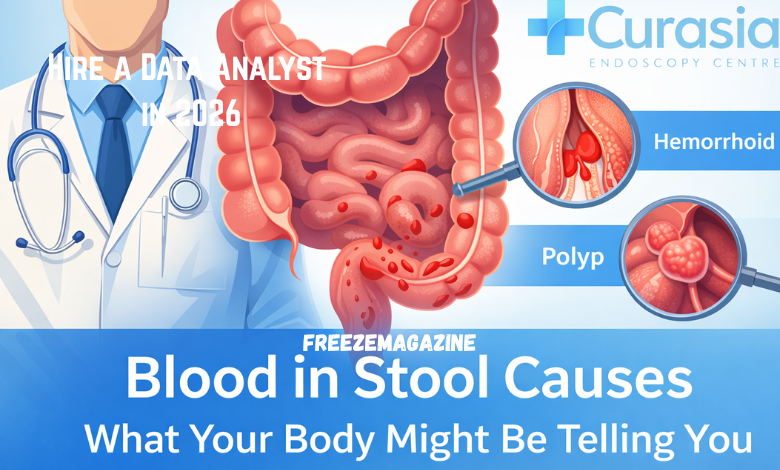
Noticing blood during bowel movements can be alarming. While sometimes minor, it may also signal an underlying digestive issue. Recognizing the potential causes of blood in stool causes helps determine when home care might be enough and when medical attention is necessary. Blood can appear in several ways, from bright red streaks on toilet paper to dark, tar-like stools, each offering clues about its source in the digestive tract.
How Blood Shows Up in Stool
The color and appearance of stool often indicate where bleeding occurs. Healthcare professionals consider these details carefully:
- It may appear on toilet paper, on the stool, or in the toilet bowl.
- Dark red or maroon stool: Suggests bleeding from the colon or small intestine.
- Black, tar-like stool: Indicates possible bleeding from the upper digestive tract, where blood has partially digested before exiting the body.
These differences help doctors identify the most likely causes and guide further testing.
Common Causes
Hemorrhoids
Hemorrhoids are swollen veins in the rectum or anus and are a frequent cause of noticeable bleeding. Typical signs include:
- Bright red blood on toilet paper
- Mild pain or itching around the anus
- Discomfort while sitting
Pressure in the lower rectum—often due to constipation, straining, prolonged sitting, or pregnancy—can lead to hemorrhoid development. Even though they are common, persistent or repeated bleeding should be evaluated by a medical professional.
Anal Fissures
Small tears in the lining of the anus, called anal fissures, can cause sharp pain and bright red blood during bowel movements. Common triggers include:
- Passing hard stools
- Chronic constipation
- Straining during bowel movements
The discomfort is often described as burning or stinging. Many fissures heal naturally with proper care, but ongoing pain or bleeding may require treatment.
Inflammatory Bowel Disease (IBD)
IBD refers to chronic inflammation of the digestive tract, including conditions like ulcerative colitis and Crohn’s disease. Signs may include:
- Blood mixed with stool
- Frequent diarrhea
- Abdominal cramps
- Fatigue or unexplained weight loss
Bleeding occurs when inflammation damages the intestinal lining.
Colon Polyps
Polyps are small growths in the colon lining. Warning signs include:
- Occasional blood in stool
- Changes in bowel habits
- Mild abdominal discomfort
Because polyps may be asymptomatic initially, colonoscopy screening is important for early detection and removal.
Colorectal Cancer
Persistent blood in stool may sometimes indicate colorectal cancer. Early detection significantly improves treatment outcomes. Symptoms can include:
- Ongoing rectal bleeding
- Unexplained weight loss
- Changes in bowel habits
- Fatigue or weakness
Doctors recommend diagnostic tests such as colonoscopy if these symptoms are present to identify and address issues promptly.
How Doctors Identify the Source
Medical professionals use various tools to determine the cause of blood in stool:
- Physical examination: Checks for visible hemorrhoids, fissures, or swelling.
- Digital rectal exam: A gloved finger assesses for lumps or abnormalities inside the rectum.
- Stool tests: Detect hidden blood using Fecal Occult Blood Tests (FOBT) or Fecal Immunochemical Tests (FIT).
- Colonoscopy: A flexible camera examines the entire colon, allowing removal of polyps and tissue sampling.
- Endoscopy: Examines the upper digestive tract if bleeding is suspected there.
When to Seek Medical Help
While occasional minor bleeding may not be serious, immediate evaluation is advised if you notice:
- Blood in stool lasting multiple days
- Large amounts of blood
- Weakness, dizziness, or fatigue with bleeding
- Sudden changes in bowel habits
Early assessment often leads to easier treatment and better outcomes.
Lifestyle Tips for Healthy Digestion
Good daily habits support digestive health and may reduce bleeding risks:
- Drink adequate water daily
- Eat fiber-rich foods like fruits, vegetables, and whole grains
- Stay physically active
- Avoid straining during bowel movements
Monitoring your digestive health and acting on warning signs allows timely intervention and supports overall well-being.







Post Comment