The Hidden Corrosion Crisis: 10 Signs Your Industrial Gearbox is Failing (And Why Stainless Steel Could Save Your Operation)
Industrial operations across manufacturing, food processing, chemical production, and marine applications face a persistent threat that often goes unnoticed until catastrophic failure occurs. Gearbox corrosion represents one of the most expensive and disruptive maintenance challenges in modern industry, with replacement costs frequently exceeding six figures and downtime that can halt entire production lines for weeks.
The problem extends beyond simple equipment replacement. When corrosion compromises gearbox integrity, the cascading effects impact production schedules, quality control, worker safety, and regulatory compliance. Understanding the early warning signs of gearbox deterioration allows maintenance teams to make informed decisions about repair, replacement, and future equipment selection before emergency shutdowns become unavoidable.
This analysis examines ten critical indicators that signal gearbox failure and explores how material selection influences long-term operational reliability in corrosive environments.
Early Corrosion Indicators That Predict System Failure
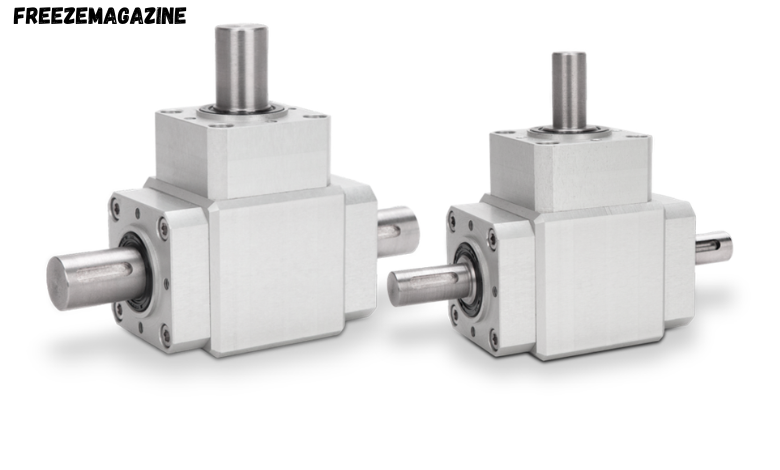
Gearbox corrosion rarely announces itself with dramatic failures. Instead, the deterioration process follows predictable patterns that experienced maintenance professionals recognize as precursors to major breakdowns. The stainless steel gearbox has emerged as a solution for operations where traditional materials consistently fail due to environmental exposure, but recognizing when standard equipment reaches its limits requires systematic observation of specific warning signs.
Surface discoloration represents the most visible early indicator of corrosion activity. When gearbox housings develop rust spots, pitting, or unusual staining patterns, the protective coatings have already been compromised. This initial breach allows moisture and corrosive agents to penetrate deeper into the metal structure, accelerating the deterioration process exponentially.
Visual Signs of Housing Degradation
The external appearance of gearbox housings provides immediate feedback about internal conditions. Rust streaks running down from bolt connections indicate that fasteners are corroding and potentially loosening. White or green powdery deposits suggest galvanic corrosion where dissimilar metals interact in the presence of moisture. Dark staining around gasket areas signals that seals are failing and allowing contaminants to enter the system.
Professional maintenance teams document these visual changes through regular photographic records, tracking progression over time to predict when intervention becomes necessary. The rate of visible deterioration often correlates directly with internal component damage, making external inspection a reliable predictor of overall system health.
Unusual Vibration Patterns
Corrosion creates uneven surfaces on gears and bearings, generating vibration signatures that differ markedly from normal operational patterns. These vibrations typically manifest as irregular frequencies that increase under load conditions. When corrosion pitting affects gear teeth surfaces, the smooth meshing action becomes compromised, creating harmonic vibrations that experienced operators can detect through routine equipment monitoring.
Advanced facilities use vibration analysis equipment to identify specific frequency patterns associated with corrosion damage, but even basic handheld monitoring can reveal significant changes from baseline measurements. The key lies in establishing consistent measurement protocols and maintaining historical data for comparison purposes.
Lubrication System Contamination and Degradation
The condition of gearbox lubricants provides direct insight into internal corrosion activity. As metal surfaces deteriorate, microscopic particles contaminate the oil, creating an abrasive mixture that accelerates wear throughout the entire system. Regular oil analysis reveals not only the presence of metal contaminants but also identifies the specific types of corrosion occurring within the gearbox housing.
Iron content in lubricant samples indicates steel component wear, while copper suggests bearing deterioration. Aluminum particles point to housing corrosion, and unusual water content reveals seal failures that allow moisture infiltration. These analytical results provide maintenance teams with precise information about which components require immediate attention and help prioritize repair activities.
Oil Color and Consistency Changes
Visual inspection of gearbox lubricants offers immediate feedback about system health without requiring laboratory analysis. Fresh lubricants maintain consistent color and viscosity, while contaminated oils develop dark coloration, unusual odors, and changes in flow characteristics. Milky or cloudy appearances indicate water contamination, while metallic particles create a gritty texture that experienced technicians can identify through simple tactile evaluation.
The timing of lubricant changes also provides valuable data about corrosion rates. When oil change intervals must be shortened to maintain acceptable cleanliness levels, internal corrosion has likely accelerated beyond normal parameters, signaling the need for comprehensive system evaluation.
Filter Clogging Patterns
Gearbox filtration systems reveal specific patterns of contamination that correlate with different types of internal deterioration. Filters that clog rapidly with fine metallic particles indicate widespread surface corrosion affecting multiple components simultaneously. Larger debris suggests more advanced deterioration where actual pieces of corroded material are breaking away from gear surfaces or housing walls.
The composition of filtered contaminants, when analyzed properly, identifies which materials are failing and at what rate. This information guides decisions about whether selective component replacement can extend system life or whether complete gearbox replacement represents the more economical long-term solution.
Temperature Fluctuations and Thermal Management Issues
Corroded gearbox components generate additional heat through increased friction, creating thermal patterns that differ from normal operating conditions. As surface roughness increases due to corrosion pitting, the mechanical efficiency decreases while heat generation rises proportionally. These thermal changes often precede mechanical failure by months, providing advance warning for maintenance planning.
Temperature monitoring systems that track both ambient and internal gearbox temperatures can identify trending patterns that indicate progressive deterioration. When cooling systems struggle to maintain normal operating temperatures despite consistent load conditions, internal friction has likely increased due to component degradation.
Cooling System Performance Degradation
Gearbox cooling systems face additional stress when internal corrosion increases heat generation beyond design parameters. Cooling fans operate more frequently, heat exchangers work harder to dissipate thermal loads, and overall energy consumption rises as systems compensate for reduced mechanical efficiency. These changes appear gradually in utility bills and equipment runtime logs before becoming apparent through direct temperature measurement.
The corrosion process itself can compromise cooling system components, particularly in environments where airborne contaminants affect both primary and auxiliary equipment. Regular evaluation of cooling system performance provides insight into both current gearbox condition and the environmental factors contributing to deterioration.
Sound and Acoustic Changes
The acoustic signature of failing gearboxes changes in predictable ways as corrosion progresses. Smooth gear meshing produces consistent sound patterns, while corroded surfaces create irregular noise that trained personnel can identify without sophisticated equipment. These sound changes often occur before vibration monitoring systems detect measurable differences, making acoustic observation a valuable early warning method.
Grinding noises indicate direct metal-to-metal contact where lubrication films have been compromised by corrosion products. Clicking or tapping sounds suggest that corroded particles are interfering with normal gear operation. Whistling or whining noises often point to bearing deterioration where corrosion has affected the precision surfaces required for smooth rotation.
Frequency Analysis of Operating Sounds
Professional maintenance programs incorporate sound analysis techniques that identify specific frequency ranges associated with different types of gearbox deterioration. High-frequency sounds typically indicate bearing problems, while low-frequency rumbling suggests gear tooth damage. Intermittent sounds that correlate with rotational speed point to localized corrosion on specific components.
The progression of acoustic changes provides valuable timing information for maintenance scheduling. When sound levels begin changing, components are typically still functional but approaching critical wear limits. This advance warning allows for planned maintenance rather than emergency repairs.
Seal and Gasket Failure Patterns
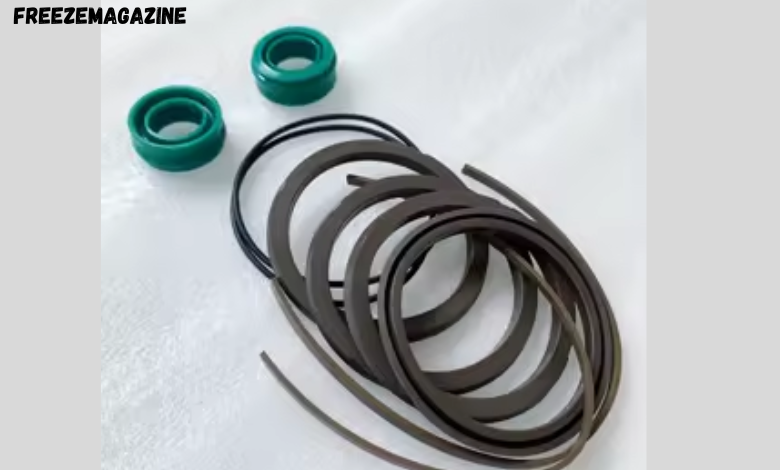
Gearbox seals and gaskets face unique challenges in corrosive environments where chemical exposure affects both the sealing materials and the metal surfaces they must seal against. As corrosion roughens housing surfaces, seals lose their ability to maintain effective barriers against contamination. This creates a feedback loop where seal failure accelerates corrosion, which further compromises sealing effectiveness.
The location and pattern of seal failures often indicate specific environmental factors contributing to gearbox deterioration. Seals that fail on the weather-exposed side of equipment suggest moisture infiltration problems, while failures near process connections indicate chemical exposure beyond design parameters.
Leak Development and Progression
Small lubricant leaks that appear around gearbox seals represent early warning signs of more significant problems developing within the system. These leaks typically start as minor seepage that maintenance teams might initially consider normal wear, but their progression rate indicates whether internal conditions are accelerating deterioration beyond acceptable levels.
The composition of leaked lubricants provides diagnostic information about internal conditions. Clean oil leaks suggest simple seal wear, while contaminated leakage indicates that internal corrosion products are compromising system integrity throughout the gearbox assembly.
Performance Efficiency Decline
Corroded gearboxes gradually lose mechanical efficiency as surface roughness increases friction and internal contamination interferes with smooth operation. These efficiency losses manifest as increased energy consumption, reduced output torque, and longer cycle times for equipment operations. The changes typically occur slowly enough that operators adapt unconsciously, making systematic measurement essential for early detection.
Production data analysis reveals efficiency trends that correlate with gearbox condition when properly interpreted. Equipment that requires longer run times to complete standard operations, or that consumes more energy while producing the same output, likely suffers from internal mechanical deterioration that will continue progressing until addressed through repair or replacement.
Load Capacity Reduction
As gearbox components deteriorate due to corrosion, their ability to handle design loads diminishes proportionally. This reduction often goes unnoticed until operations demand peak performance and discover that equipment can no longer meet specifications. The safety margins built into original designs gradually erode as corrosion weakens critical components.
Systematic load testing protocols help identify capacity reductions before they impact production operations. By gradually increasing loads while monitoring system response, maintenance teams can establish current capacity limits and plan accordingly for future operational requirements.
Material Selection and Long-Term Solutions
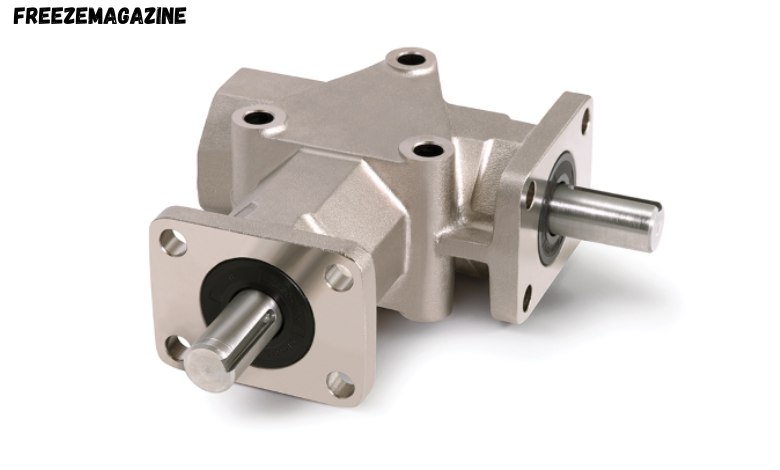
The recurring pattern of gearbox failures in corrosive environments has driven increased adoption of stainless steel construction for critical applications. Unlike traditional materials that require protective coatings or regular replacement, stainless steel gearbox units resist corrosion through their inherent material properties, eliminating many of the failure modes that plague conventional equipment.
The economic analysis of material selection extends beyond initial purchase costs to include maintenance frequency, replacement intervals, and operational disruptions. While stainless steel equipment typically commands higher upfront investment, the total cost of ownership often favors corrosion-resistant materials in challenging environments.
Environmental Compatibility Assessment
Different operating environments create specific corrosion challenges that influence optimal material selection. Marine applications face salt spray exposure, chemical processing involves acid or alkaline conditions, and food production requires frequent washdown procedures. Each environment demands materials capable of withstanding specific corrosive agents without degrading over typical equipment lifecycles.
Stainless steel gearbox applications have demonstrated superior performance in environments where traditional materials fail repeatedly, reducing maintenance costs and improving operational reliability across diverse industrial applications.
Preventive Maintenance Strategy Development
Effective gearbox maintenance programs incorporate systematic monitoring of the failure indicators discussed above, creating comprehensive assessment protocols that identify problems before they cause operational disruptions. These programs balance inspection frequency with resource allocation, focusing intensive monitoring on equipment operating in high-risk environments.
The integration of multiple monitoring techniques provides more reliable failure prediction than any single method alone. Visual inspection, vibration analysis, lubricant testing, and acoustic monitoring each contribute unique information that, when combined, creates accurate assessments of current equipment condition and remaining useful life.
Documentation and Trend Analysis
Systematic record-keeping transforms individual observations into valuable trend data that guides maintenance decisions and equipment replacement timing. Digital maintenance management systems facilitate this documentation process while providing analytical tools that identify patterns across multiple pieces of equipment.
Historical maintenance records also inform future equipment selection decisions by quantifying the performance differences between various materials and designs in specific operating environments. This data-driven approach to equipment specification reduces the likelihood of repeating previous failures.
Conclusion
The ten warning signs outlined above provide maintenance professionals with concrete indicators for assessing gearbox condition and predicting failure timing. From visual surface changes and unusual vibrations to lubricant contamination and efficiency decline, these symptoms appear months or years before catastrophic failure occurs, allowing time for planned intervention rather than emergency response.
The pattern of recurring failures in corrosive environments has demonstrated the value of material selection as a long-term solution to operational reliability challenges. While traditional maintenance approaches focus on managing deterioration through protective measures and frequent replacement, corrosion-resistant materials address the root cause of failure by eliminating susceptibility to environmental damage.
Modern industrial operations benefit from combining systematic failure prediction with strategic material selection, creating maintenance programs that minimize unplanned downtime while optimizing equipment lifecycle costs. The investment in proper monitoring techniques and appropriate materials pays dividends through improved reliability, reduced maintenance burden, and enhanced operational flexibility that supports long-term business objectives.


Post Comment