The $50 vs $500 Triple Output Power Supply Breakdown: What You Actually Get for Your Money
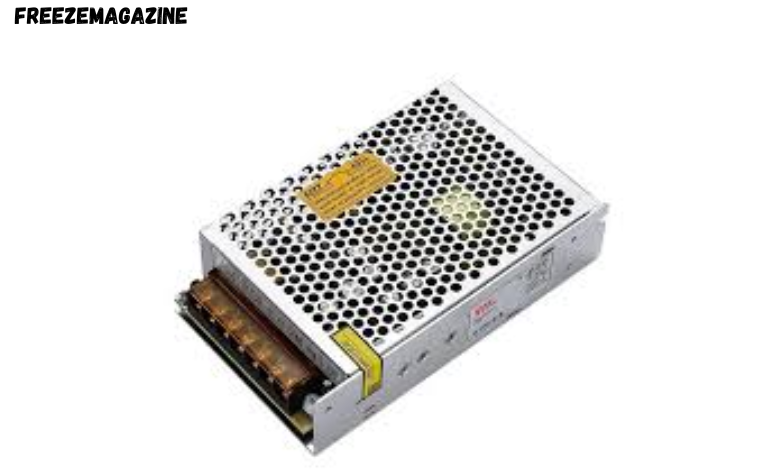
Laboratory managers and engineers face a common procurement challenge when budgets tighten but operational demands remain constant. Power supply requirements don’t disappear when purchasing departments push for lower-cost alternatives, yet the gap between budget-tier and professional-grade equipment often spans hundreds of dollars. This price differential becomes particularly pronounced with multi-output power supplies, where the complexity of managing multiple voltage rails amplifies both the potential benefits of quality components and the risks of corner-cutting.
Understanding what drives these cost differences matters beyond simple budget planning. Equipment failures in research environments create cascading delays, while unreliable power delivery can compromise months of experimental work. The decision between low-cost and professional-grade power supplies ultimately reflects how organizations balance immediate cost savings against operational consistency and long-term reliability requirements.
Component Quality and Circuit Design Fundamentals
The most significant cost driver in power supply manufacturing lies in the quality of internal components and circuit topology. A triple output power supply at the $50 price point typically relies on basic linear regulation circuits with minimal filtering and standard-grade capacitors. These designs prioritize cost reduction over performance consistency, using components rated for shorter operational lifespans and wider tolerance ranges.
Professional-grade units incorporate switching regulation with sophisticated feedback control systems, precision voltage references, and components selected for long-term stability. The transformer cores use higher-grade materials that maintain magnetic properties across temperature variations, while output filtering employs multiple stages to minimize ripple and noise. These design choices compound costs but deliver measurable improvements in output stability and operational reliability.
Circuit board construction also varies dramatically across price ranges. Lower-cost units often use single-sided or basic double-sided boards with minimal copper thickness, limiting heat dissipation and current-carrying capacity. Professional units employ multilayer boards with dedicated ground planes, controlled impedance traces, and thermal management features that prevent hot spots and component degradation over extended operation periods.
Regulation Accuracy and Load Response
Voltage regulation accuracy represents one of the clearest performance differences between price categories. Budget units typically maintain regulation within two to three percent of set values under varying load conditions, with additional drift as internal components age or ambient temperatures change. This variability may prove acceptable for basic testing scenarios but becomes problematic when working with sensitive electronic circuits or precision measurement equipment.
Higher-cost units achieve regulation accuracy within fractions of a percent, maintaining stable output voltages regardless of load variations or environmental conditions. The regulation circuitry responds faster to load changes, preventing voltage dips or spikes that could affect connected equipment. This precision requires more sophisticated control algorithms and higher-quality reference components, directly contributing to increased manufacturing costs.
Load response characteristics also differ significantly between price categories. Professional units maintain voltage stability when loads change suddenly, while budget alternatives may exhibit temporary voltage excursions that take seconds to settle. These response differences matter most in applications involving digital circuits or microprocessors that require clean, stable power delivery to function reliably.
Heat Management and Thermal Design
Internal heat generation and thermal management represent critical factors in power supply longevity and performance consistency. Lower-cost units often operate internal components closer to their thermal limits, using minimal heat sinking and relying on basic convection cooling. This approach reduces manufacturing costs but accelerates component aging and increases the likelihood of thermal-related failures during extended operation.
Professional power supplies incorporate comprehensive thermal management systems with properly sized heat sinks, strategic component placement, and sometimes active cooling systems. The internal layout considers thermal interactions between components, preventing hot spots that could affect nearby circuits. Temperature-compensated regulation circuits maintain output accuracy even as internal temperatures vary, ensuring consistent performance across different operating conditions.
Thermal design also affects operational noise levels and electromagnetic interference characteristics. Better thermal management reduces the need for cooling fans or allows them to operate at lower speeds, creating quieter laboratory environments while simultaneously improving electromagnetic compatibility through reduced switching noise and better circuit isolation.
Output Isolation and Safety Features
Safety features and output isolation represent areas where cost differences translate directly into operational risk profiles. Budget-tier power supplies often provide minimal isolation between outputs and may lack comprehensive protection circuits against overvoltage, overcurrent, or reverse polarity conditions. These omissions reduce manufacturing complexity but create potential hazards for both connected equipment and operators.
Professional units incorporate multiple layers of protection including independent current limiting for each output, overvoltage crowbar circuits, and galvanic isolation between outputs and between outputs and ground. According to NIST electrical safety standards, proper isolation becomes particularly important in laboratory environments where multiple instruments share common ground references or where operator safety depends on reliable ground fault protection.
The implementation of safety features also affects long-term reliability. Protection circuits in professional units actively monitor operating conditions and can shut down safely when problems occur, preventing damage to both the power supply and connected equipment. Budget alternatives may lack these protective measures, making them more vulnerable to cascading failures when fault conditions develop.
Output Independence and Cross-Regulation
Cross-regulation performance describes how changes in load on one output affect voltage stability on the other outputs. This characteristic becomes crucial when powering multiple circuits simultaneously, as variations in one circuit’s power consumption can inadvertently affect others. Budget power supplies often exhibit significant cross-regulation effects, where heavy loads on one output cause noticeable voltage changes on the remaining outputs.
Professional triple-output units employ independent regulation circuits for each output, minimizing cross-regulation effects through careful circuit isolation and dedicated control loops. This independence allows users to operate each output at different load levels without affecting the stability of the others, providing greater flexibility in powering complex multi-rail electronic systems.
The degree of output independence also affects troubleshooting and system design flexibility. When outputs maintain true independence, engineers can modify or adjust individual circuits without concern for affecting other system components, simplifying both development processes and maintenance procedures.
Current Limiting and Protection Response
Current limiting implementation varies significantly between price categories, affecting both protection effectiveness and user convenience. Budget units may employ simple current limiting that causes output voltage to drop linearly as current increases, providing basic protection but making it difficult to identify whether voltage reductions result from regulation problems or intentional current limiting activation.
Professional power supplies typically implement constant-current limiting that maintains set current levels while reducing output voltage only as necessary to stay within safe operating boundaries. This approach provides clearer indication of operating modes while delivering more predictable behavior when powering circuits with varying current requirements. The limiting circuits also respond more quickly to fault conditions, providing better protection for sensitive connected equipment.
Some professional units include programmable current limiting with digital displays showing actual current draw, allowing users to monitor power consumption in real time and set appropriate protection levels for different applications. These features require more sophisticated control circuits and user interfaces, contributing to higher costs but providing significant operational benefits in complex testing scenarios.
Build Quality and Long-Term Reliability
Physical construction quality affects both operational reliability and maintenance requirements over the equipment’s service life. Budget power supplies often use lightweight construction with basic plastic housings, minimal shielding, and standard-grade connectors that may develop contact resistance problems over time. The internal assembly may rely on basic soldering techniques and minimal mechanical support for components subject to thermal cycling stress.
Professional units typically feature robust metal construction with proper electromagnetic shielding, high-quality connectors rated for extended use cycles, and internal assembly techniques designed to withstand repeated thermal cycling. Component mounting considers mechanical stress from temperature variations, vibration, and normal handling, reducing the likelihood of solder joint failures or component displacement during extended service.
The quality of user interface components also differs significantly. Professional units employ precision potentiometers with longer rotational life ratings, switches rated for higher cycle counts, and display systems designed for extended operation. These components cost more initially but reduce maintenance requirements and provide more consistent user experience over the equipment’s operational lifetime.
Connector Quality and Interface Durability
Output connector quality affects both electrical performance and long-term usability. Budget power supplies may use basic binding posts or simple banana jacks that develop contact resistance over time, particularly in laboratory environments where connectors undergo frequent connection cycles. Poor connector design can introduce voltage drops or intermittent connections that compromise measurement accuracy or circuit stability.
Professional units employ precision connectors with gold-plated contacts, proper spring tension mechanisms, and designs that maintain low contact resistance through thousands of connection cycles. The connector mounting systems also provide better mechanical support, preventing loosening or misalignment that could affect electrical contact quality.
Some professional power supplies include multiple connector types for each output, accommodating different test lead requirements without adapters. This flexibility reduces connection complexity while maintaining signal integrity, particularly important when working with high-frequency circuits or precision measurement applications where connector quality directly affects measurement accuracy.
Internal Component Accessibility and Serviceability
Serviceability design affects long-term operational costs through maintenance requirements and repair accessibility. Budget units often use construction methods that make internal component replacement difficult or impossible, essentially requiring complete unit replacement when individual components fail. This approach reduces initial manufacturing costs but increases total ownership costs when failures occur.
Professional power supplies typically incorporate modular construction with accessible component mounting, clear internal labeling, and design features that facilitate authorized service procedures. While this level of serviceability requires more sophisticated manufacturing processes, it enables cost-effective repairs and component replacement that can significantly extend equipment operational life.
The availability of service documentation, replacement parts, and authorized service support also varies between price categories. Professional equipment manufacturers typically provide comprehensive service information and maintain parts availability for extended periods, while budget equipment may offer limited service support or replacement part availability.
Measurement Accuracy and Display Systems
Voltage and current measurement accuracy represent critical factors in applications requiring precise power delivery or consumption monitoring. Budget power supplies often rely on basic analog meters with limited resolution and accuracy specifications that may span several percent of full scale. These measurement systems provide general indication of output levels but lack the precision needed for critical applications or detailed power consumption analysis.
Professional units incorporate precision digital measurement systems with calibrated accuracy specifications, often including multiple measurement ranges to optimize resolution across different output levels. The measurement circuits operate independently from the regulation circuits, preventing interference that could affect either regulation accuracy or measurement precision.
Display system quality also affects operational convenience and measurement reliability. Digital displays in professional units typically offer higher resolution, better viewing angles, and backlight systems for use in varied lighting conditions. Some units include data logging capabilities or computer interface options that enable automated measurement recording and remote monitoring.
Calibration Stability and Traceability
Calibration stability describes how measurement and output accuracy change over time and environmental conditions. Budget power supplies may lack formal calibration procedures or use basic calibration methods that provide limited long-term stability. The internal reference circuits may drift significantly with age or temperature changes, requiring frequent user adjustments to maintain acceptable accuracy.
Professional units typically include precision internal references with documented calibration procedures traceable to national standards. The calibration systems account for temperature variations, component aging, and drift characteristics, often including automatic compensation circuits that maintain accuracy without user intervention. Some professional units offer field-calibration capabilities using external precision references.
Calibration interval recommendations and stability specifications provide important guidance for laboratory quality management systems. Professional equipment typically includes detailed specifications for calibration intervals and expected accuracy drift, enabling proper integration into measurement assurance programs and quality control procedures.
Conclusion
The price difference between budget and professional triple output power supplies reflects fundamental differences in component quality, circuit design sophistication, and manufacturing approaches rather than simple markup variations. Budget units serve applications where basic voltage generation suffices and operational convenience outweighs precision requirements. Professional units justify their higher costs through improved regulation accuracy, comprehensive safety features, superior build quality, and long-term reliability characteristics that reduce total ownership costs in demanding applications.
The decision between price categories ultimately depends on specific operational requirements, reliability expectations, and cost tolerance for potential equipment failures or performance limitations. Laboratory environments requiring precision measurements, extended operational periods, or critical reliability typically benefit from professional-grade equipment despite higher initial costs. Less demanding applications may find budget alternatives adequate when balanced against their operational limitations and shorter expected service life.
Understanding these cost-performance relationships enables more informed procurement decisions that align equipment capabilities with actual operational needs while managing both initial investment and long-term operational costs effectively.






Post Comment