Temperature-Sensitive Pallet Management: 10 Software Features That Prevent $1M+ Product Losses
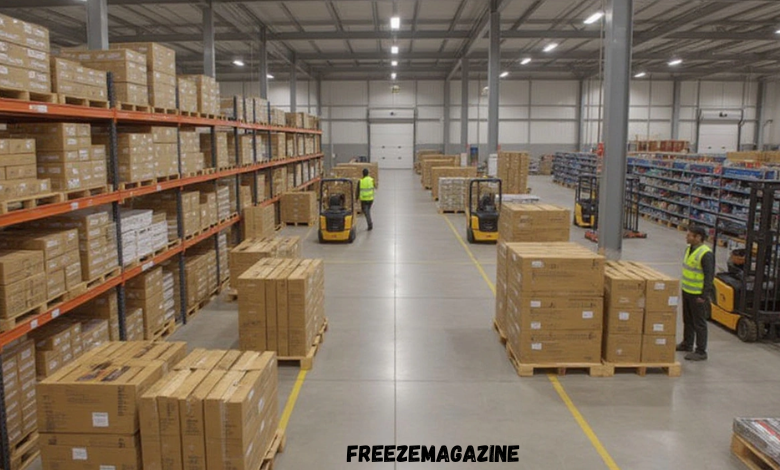
Cold chain failures cost the global economy billions annually, with individual incidents routinely destroying entire product shipments worth hundreds of thousands or millions of dollars. When temperature-sensitive goods like pharmaceuticals, biologics, or specialty chemicals break their required storage parameters, the financial impact extends far beyond the immediate product loss. Companies face regulatory penalties, customer contract violations, insurance claims, and damaged relationships with distributors.
The complexity of managing temperature-controlled pallets across multiple facilities, transportation networks, and storage environments creates numerous failure points. A single oversight in monitoring, documentation, or handoff procedures can compromise an entire batch. Traditional manual tracking methods and basic warehouse management systems lack the specialized capabilities needed to maintain the rigorous oversight these products demand.
Modern operations require systematic approaches to temperature-sensitive pallet tracking that address both the technical requirements of cold chain maintenance and the operational realities of high-volume distribution networks. The difference between success and catastrophic loss often comes down to having the right monitoring, alerting, and response capabilities in place before problems escalate beyond recovery.
Automated Temperature Monitoring and Documentation
Continuous temperature monitoring forms the foundation of effective cold chain management, but the real value lies in how pallet management software transforms raw sensor data into actionable operational intelligence. Modern systems integrate directly with wireless temperature sensors, data loggers, and facility monitoring equipment to create comprehensive tracking records without manual intervention.
The software automatically captures temperature readings at predetermined intervals, typically every few minutes, and associates this data with specific pallet identifiers, storage locations, and handling events. This continuous documentation creates an unbroken chain of custody records that satisfy regulatory requirements while providing operational teams with real-time visibility into cold chain status.
Real-Time Data Integration
Integration capabilities determine how effectively temperature data flows through the entire supply chain ecosystem. Advanced systems connect with existing warehouse management platforms, transportation management systems, and third-party logistics providers to maintain consistent monitoring across handoffs and facility transfers.
When pallets move between controlled environments, the software maintains continuous tracking by automatically switching between different monitoring systems and devices. This seamless transition eliminates the data gaps that often occur during transportation or facility transfers, where temperature excursions are most likely to happen undetected.
Regulatory Compliance Documentation
Automated documentation capabilities ensure that all temperature records meet specific regulatory standards without requiring manual compilation or formatting. The system generates compliant reports for various oversight bodies, including detailed temperature histories, deviation reports, and corrective action documentation.
These capabilities become critical during regulatory audits or product investigations, where companies must demonstrate continuous temperature control throughout the entire distribution process. Having automated, tamper-proof records available immediately can mean the difference between minor compliance issues and major regulatory actions.
Predictive Alert Systems and Exception Management
Traditional temperature monitoring systems react to problems after they occur, often when products have already been compromised. Predictive alert capabilities analyze temperature trends, equipment performance data, and environmental factors to identify potential failures before they impact product integrity.
The software monitors subtle changes in temperature patterns that may indicate developing equipment problems, insulation degradation, or environmental control issues. By analyzing historical data and current performance metrics, these systems can predict when storage conditions are likely to drift outside acceptable parameters, allowing operations teams to take preventive action.
Multi-Level Alert Hierarchies
Effective alert systems provide graduated response protocols that match the severity and urgency of different temperature events. Minor deviations trigger initial warnings to local staff, while significant excursions automatically escalate to management teams and emergency response personnel.
The software can distinguish between brief, recoverable temperature spikes and sustained excursions that threaten product viability. This intelligence prevents alert fatigue while ensuring that serious incidents receive immediate attention from qualified personnel who can assess product impact and coordinate recovery efforts.
Automated Response Protocols
Beyond alerting, advanced systems can initiate automated response protocols when certain threshold conditions are met. This might include activating backup cooling systems, rerouting pallets to alternative storage locations, or placing holds on affected inventory to prevent distribution of potentially compromised products.
These automated responses provide critical protection during off-hours or when response teams are not immediately available. The system acts as a safeguard that prevents minor equipment failures from escalating into major product losses while human teams coordinate more comprehensive solutions.
Location-Aware Tracking and Chain of Custody
Temperature-sensitive products require precise location tracking that goes beyond basic warehouse positioning. The software must understand the specific temperature zones, equipment dependencies, and environmental characteristics of different storage areas to ensure products remain in appropriate conditions throughout their facility lifecycle.
Integration with warehouse management systems, RFID tracking, and GPS monitoring creates comprehensive location histories that document not just where products have been, but what environmental conditions they experienced at each location. This detailed tracking becomes essential when investigating temperature excursions or validating that products maintained proper conditions throughout distribution.
Zone-Based Environmental Mapping
Advanced tracking systems map facility environments into specific temperature zones and associate each zone with its monitoring equipment, backup systems, and operational characteristics. When pallets move between zones, the software automatically updates monitoring parameters and alert thresholds based on the new location’s requirements.
This zone-based approach ensures that products stored in different areas receive appropriate monitoring without requiring manual system updates. The software understands that freezer zones, refrigerated areas, and controlled room temperature sections each have distinct requirements and monitoring protocols.
Transportation Integration
Chain of custody tracking extends beyond facility boundaries to include transportation vehicles, loading dock transfers, and temporary storage at distribution points. The system integrates with transportation management platforms and carrier tracking systems to maintain visibility during the most vulnerable phases of cold chain distribution.
During transportation, the software monitors vehicle refrigeration systems, route conditions, and delivery schedules to identify potential risks before they impact product integrity. This integration allows operations teams to proactively address transportation issues and coordinate alternative arrangements when necessary.
Batch-Level Product Lifecycle Management
Temperature-sensitive products often require batch-specific tracking that associates individual pallets with manufacturing lots, expiration dates, and specific storage requirements. The software maintains these associations throughout the entire distribution lifecycle, ensuring that handling decisions consider both current conditions and product-specific characteristics.
This batch-level tracking becomes critical when products have different temperature requirements, shelf life limitations, or regulatory restrictions. The system ensures that mixed-product pallets receive appropriate treatment and that first-in-first-out rotation considers both arrival dates and remaining shelf life under current storage conditions.
Dynamic Shelf Life Calculations
Advanced systems calculate remaining product shelf life based on actual temperature exposure rather than static expiration dates. By analyzing temperature history against product-specific degradation models, the software provides accurate assessments of remaining product viability and optimal rotation priorities.
These calculations help operations teams make informed decisions about product disposition, particularly when temperature excursions may have reduced remaining shelf life without completely compromising product quality. This intelligence prevents unnecessary product disposal while ensuring that compromised items don’t reach customers.
Lot-Specific Compliance Tracking
Different product batches may have varying regulatory requirements, customer specifications, or quality standards that affect how they must be handled and documented. The software maintains these requirements at the batch level and ensures that all handling, monitoring, and reporting activities comply with specific product needs.
This capability becomes essential when managing multiple product lines with different compliance requirements or when serving customers with varying quality standards. The system ensures that each batch receives appropriate treatment without requiring manual tracking of complex requirement matrices.
Integration with Quality Management Systems
Temperature data alone doesn’t tell the complete story of product quality and safety. Effective management requires integration with broader quality management systems that consider temperature history alongside other factors like humidity exposure, handling events, and time-temperature combinations that affect product stability.
The software connects temperature tracking with quality test results, customer complaints, and product performance data to identify patterns that might indicate systemic issues. This integration helps operations teams understand the relationship between storage conditions and actual product outcomes, enabling more informed decision-making about acceptable temperature parameters.
Corrective Action Management
When temperature excursions occur, the system must support comprehensive corrective action processes that address immediate product concerns and prevent future occurrences. Integration with quality management platforms ensures that all temperature-related incidents receive appropriate investigation and follow-up.
The software documents corrective actions, tracks implementation progress, and monitors effectiveness through continued temperature performance. This closed-loop approach helps operations teams learn from incidents and continuously improve their cold chain management processes.
Supplier and Customer Communication
Quality management integration extends to external stakeholders who need visibility into temperature performance and incident management. The system can automatically generate reports for suppliers, customers, and regulatory bodies that demonstrate proper cold chain management and document any deviations.
This communication capability becomes critical during product investigations or when customers require detailed temperature documentation for their own quality processes. According to the FDA’s Current Good Manufacturing Practices guidelines, maintaining detailed temperature records and providing them to downstream customers is a regulatory requirement for many pharmaceutical and biologic products.
Advanced Analytics and Performance Optimization
Long-term cold chain success requires continuous analysis of temperature performance, equipment reliability, and operational efficiency. Advanced analytics capabilities identify trends, inefficiencies, and optimization opportunities that aren’t apparent from day-to-day operational data.
The software analyzes historical temperature data, incident patterns, and equipment performance to identify root causes of temperature excursions and recommend preventive measures. This analysis helps operations teams transition from reactive incident management to proactive cold chain optimization.
Equipment Performance Analysis
Monitoring individual refrigeration units, temperature sensors, and environmental control systems provides insights into equipment reliability and maintenance needs. The software tracks performance trends that indicate developing problems before they cause temperature excursions.
This predictive maintenance approach reduces the risk of equipment failures while optimizing maintenance schedules and costs. Operations teams can plan equipment service during scheduled downtime rather than responding to emergency failures that threaten product integrity.
Cost-Benefit Analysis
Advanced analytics quantify the relationship between cold chain investments and risk reduction, helping operations teams make informed decisions about equipment upgrades, process improvements, and staff training. The software calculates the cost of temperature excursions, product losses, and operational inefficiencies to demonstrate the return on investment for cold chain improvements.
This financial analysis becomes essential when justifying capital expenditures or process changes to senior management. The system provides concrete data about how cold chain improvements reduce operational risk and protect product value.
Mobile Access and Field Operations Support
Temperature-sensitive pallet management requires coordination between facility-based systems and field operations teams who handle loading, transportation, and delivery activities. Mobile access capabilities ensure that all team members have real-time visibility into temperature status and can respond quickly to developing issues.
Mobile applications provide field teams with immediate access to temperature alerts, location information, and handling protocols specific to the products they’re managing. This accessibility ensures that transportation and delivery personnel can make informed decisions about route modifications, emergency procedures, and customer communications when temperature issues arise.
Real-Time Decision Support
Field teams often face time-sensitive decisions about product handling, route changes, or emergency procedures when temperature issues develop during transportation or delivery. Mobile access provides immediate access to product specifications, acceptable temperature ranges, and escalation procedures.
The system guides field personnel through appropriate response protocols based on specific product requirements and current conditions. This guidance ensures consistent decision-making across different teams and locations while reducing the risk of inappropriate responses that could worsen temperature excursions.
Customer Communication Integration
Mobile capabilities extend to customer communication, allowing field teams to provide immediate updates about delivery status, temperature performance, and any issues that might affect product quality. This real-time communication helps maintain customer relationships and ensures that receiving facilities can prepare appropriately for incoming shipments.
Integration with customer systems allows automatic transmission of temperature documentation and delivery confirmations, reducing manual paperwork while ensuring that customers receive necessary quality records immediately upon delivery.
Scalable Architecture for Growing Operations
Cold chain operations typically grow in complexity as companies expand their product lines, facility networks, and customer bases. Effective management software must accommodate this growth without requiring complete system replacements or major operational disruptions.
Scalable architecture supports increasing numbers of pallets, additional facilities, and more complex distribution networks while maintaining performance and reliability. The system must handle higher data volumes, more sophisticated alert requirements, and expanded integration needs as operations grow.
Multi-Facility Coordination
Companies operating multiple facilities require coordinated temperature management that provides both local operational control and centralized oversight. The software must support facility-specific requirements while enabling corporate-level reporting and analysis across the entire network.
This multi-facility capability becomes critical when transferring products between locations or coordinating responses to widespread equipment issues. The system provides local teams with necessary operational control while giving corporate management visibility into system-wide performance and risk.
Third-Party Integration Flexibility
Growing operations typically involve increasing numbers of third-party logistics providers, transportation companies, and distribution partners. The software must integrate with diverse systems and maintain temperature visibility across all partners without requiring each party to adopt identical technology platforms.
Flexible integration capabilities allow companies to work with best-in-class service providers while maintaining comprehensive cold chain oversight. This flexibility prevents technology limitations from constraining operational partnerships and growth strategies.
Disaster Recovery and Business Continuity
Temperature-sensitive operations face unique challenges during system failures, power outages, or natural disasters that threaten both technology infrastructure and environmental control systems. Comprehensive disaster recovery capabilities ensure that temperature monitoring and management continue even when primary systems are compromised.
The software must maintain critical functions through backup systems, alternative communication methods, and emergency protocols that protect products when normal operations are disrupted. This continuity planning becomes essential for high-value products where even brief monitoring gaps can result in significant losses.
Backup Monitoring Systems
Redundant monitoring capabilities ensure that temperature tracking continues even when primary sensors, communication networks, or data systems fail. The software automatically switches to backup monitoring devices and alternative data transmission methods when primary systems are unavailable.
These backup systems must provide the same level of accuracy and reliability as primary monitoring while alerting operations teams to system failures that require attention. This redundancy prevents monitoring gaps that could mask temperature excursions during critical periods.
Emergency Response Coordination
During disasters or major system failures, the software coordinates emergency response activities including product relocation, alternative storage arrangements, and priority handling for the most critical or valuable items. These capabilities help operations teams focus their limited resources on protecting the highest-risk products.
Emergency protocols integrate with facility management systems, transportation providers, and emergency services to coordinate comprehensive responses that address both immediate product protection needs and longer-term recovery requirements.
Conclusion
Temperature-sensitive pallet management represents one of the highest-stakes operational challenges in modern supply chains, where system failures routinely result in million-dollar product losses and regulatory consequences. The software capabilities outlined here address the complex requirements of maintaining cold chain integrity across multi-facility operations, diverse transportation networks, and evolving regulatory environments.
Success requires more than basic temperature monitoring. Operations need integrated systems that provide predictive analytics, automated response capabilities, comprehensive documentation, and seamless coordination across all stakeholders. The difference between effective cold chain management and catastrophic failure often comes down to having the right combination of monitoring accuracy, alert intelligence, and response coordination in place before problems develop.
Companies managing temperature-sensitive products cannot afford to treat cold chain management as a secondary concern. The operational and financial risks are too significant, and the technology solutions too mature, to justify continued reliance on manual processes or basic monitoring systems. Investment in comprehensive temperature-sensitive pallet management capabilities represents essential infrastructure for protecting product value and ensuring long-term operational success.






Post Comment