Six Ways to Turn Your Company Event into an Experience
Company events have a reputation problem. Too many of them feel like obligation rather than opportunity. You know the type – stilted networking sessions, death-by-PowerPoint presentations & lukewarm buffet food that nobody actually wants to eat. But here’s the thing, it doesn’t have to be that way. I’ve seen corporate gatherings transform from forgettable formalities into genuinely memorable experiences that people talk about months later.
The difference isn’t usually budget, though that helps. It’s about rethinking what an event should actually DO for your team or clients. Because when you strip away the corporate jargon and fancy venue brochures, what you’re really trying to create is connection, energy and maybe a bit of fun.
Stop Thinking Conference, Start Thinking Experience
This is where most event planners go wrong from the outset. They book a venue, arrange some chairs in rows & assume that constitutes an event. Perhaps it’s time to bin that entire approach?
Real experiences stick with people because they engage multiple senses and emotions. They create stories worth retelling. When someone asks “how was that company thing?” you want your attendees saying something better than “yeah, it was alright” whilst staring at their phone.
Consider what makes experiences memorable in your personal life. It’s rarely the passive stuff. It’s the interactive moments, the unexpected surprises, the times when you’re actually DOING something rather than just observing. The same principle applies to corporate events, even if some planners seem determined to ignore it.
I think there’s still this weird corporate belief that serious business requires serious (read: boring) events. Rubbish. Some of the most productive client relationships I’ve seen developed whilst people were laughing, competing or trying something completely new together.
Create a Proper Centrepiece Attraction
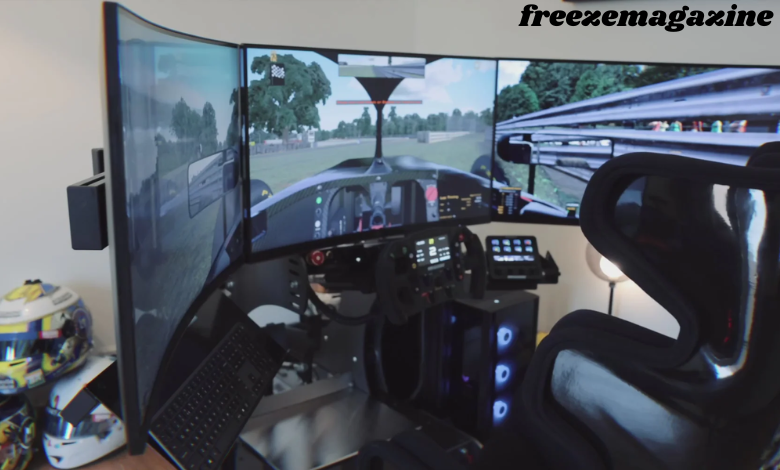
Every memorable event needs an anchor. Something that draws people in and gives them a focal point for conversation & engagement. This is where attractions like an F1 driving simulator hire come into play, and honestly, they’re bloody brilliant when done right.
Here’s why simulators work so well. They’re inherently engaging. People WANT to have a go. There’s a competitive element that brings out personality. You’ll see your normally reserved finance director suddenly showing surprising aggression on the virtual track, or your quiet intern posting the fastest lap time. These moments break down hierarchies in ways that forced icebreakers never could.
Plus, there’s a queue element that actually works in your favour. Whilst people wait for their turn, they’re watching others, chatting, placing bets on who’ll crash first. It creates natural mingling without that awkward “go network” instruction that makes everyone uncomfortable.
The key is choosing an attraction that fits your group. F1 simulators work because they’re accessible – you don’t need to be a racing fan to appreciate the thrill – but they’re also impressive enough that people genuinely get excited. It’s not just some token activity ticked off a list.
Build in Genuine Competition Elements
Competition gets a mixed reputation in corporate settings. Some people worry it’ll create tension or make things uncomfortable. But I’ve found the opposite is usually true, provided you keep things lighthearted.
When you’ve got something like a racing simulator, you’ve automatically got a leaderboard. Use it. Display lap times prominently. Maybe offer a silly trophy or prize. Nothing too serious – gift vouchers, bragging rights, a ridiculous oversized medal. The accomodation of competitive spirit actually brings people together rather than dividing them, especially when it’s around something playful rather than work performance.
Team competitions work even better sometimes. Split your attendees into groups & have them compete across various challenges throughout the event. The simulator can be one element among several. This way, different personality types get their moment to shine.
Layer Your Interactive Elements
One interactive attraction is good. Multiple elements working together is better. Think about flow and pacing throughout your event.
If your centrepiece is something like F1 driving simulator hire, what else complements that? Maybe a virtual reality station. Interactive food stations where people build their own dishes. A live artist creating something based on the event theme. Photo opportunities that are actually creative rather than just a corporate branded backdrop.
The mistake is thinking you need constant stimulation. You don’t. What you need is variety and breathing room. Intensive interactive moments followed by more relaxed social time. It mimics how humans naturally socialise – bursts of focused activity, then conversation and reflection.
I’ve seen events where every single minute was scheduled with activities and it felt exhausting. People need downtime to process, chat and actually connect with each other.
Make Food Part of the Experience
Look, nobody remembers adequate catering. They remember either terrible food or surprisingly excellent food. There’s no middle ground in event memory.
Interactive food stations change the dynamic entirely. Instead of queuing at a buffet like you’re at a mediocre wedding, people engage with the food. A chef preparing fresh dishes to order. A cocktail mixology station. Build your own dessert bars. It sounds simple but it transforms a functional necessity into another engagement opportunity.
And for goodness sake, acommodate dietary requirements properly. Not as an afterthought with some sad separate option, but integrated into the main offerings. It’s 2025 – this shouldn’t need saying, but you’d be surprised how many events still get this wrong.
Food timing matters too. Grazing stations that run throughout the event often work better than formal sit-down meals, especially if you’ve got interactive attractions. People can eat when they want rather than being forced into rigid schedules.
Create Shareable Moments
Whether we like it or not, events now extend beyond the physical space into social media. That’s not necessarily a bad thing if you plan for it thoughtfully.
High-quality attractions like F1 simulators are naturally photogenic and video-worthy. People WANT to capture themselves having a go. They’ll share those moments with their networks, which extends your event’s reach and reinforces its memorability. But don’t force it. Nothing kills authenticity faster than mandatory hashtags and corporate social media policies plastered everywhere.
Instead, create moments that are genuinely worth sharing. A spectacularly designed space. An unexpected performance or surprise element. The podium celebration after simulator races. These organic moments generate far better content than staged photo opportunities ever could.
Consider bringing in a professional photographer or videographer who can capture candid moments. Not the stiff corporate headshots, but real reactions and interactions. People love seeing themselves genuinely enjoying something.
Follow Through After the Event
The experience shouldn’t end when people leave the venue. This is where most events fall completely flat – they create a great day and then… nothing.
Send out the photos. Share the leaderboard results from the simulator competition. Create a highlights video. These touchpoints keep the positive feelings alive and extend the value of your investment. I think this follow up matters more than most planners realise. It’s the difference between “that was fun” and “remember when Dave crashed into every barrier?”
You can also gather feedback properly at this stage. Not immediately as people leave when they’re tired, but a few days later when they’ve had time to reflect. Ask specific questions about what worked and what didn’t. Actually USE that feedback for your next event.
Some companies create ongoing competitions or challenges that reference the event. If you had teams competing, maybe there’s a trophy that gets displayed in the winning department’s office. It sounds cheesy but these small touches maintain momentum and connection.
The Bottom Line
Transforming your company event from a forgettable obligation into a genuine experience isn’t rocket science, but it does require intentional planning and a willingness to break from traditional formats. The companies getting this right are the ones thinking about engagement from the ground up, not just ticking boxes on an event checklist.
Central attractions like F1 driving simulator hire provide that crucial focal point around which everything else can orbit. They create natural energy, competition and conversation in ways that structured networking sessions simply cannot match. But they work best as part of a broader approach that considers pacing, variety & genuine human connection.
Start small if you need to. You don’t have to revolutionise everything at once. Pick one or two elements from this list and implement them properly. Test what resonates with your specific group. Build from there.
What matters most is shifting your mindset from “what do we need to provide?” to “what experience do we want to create?” That subtle change in perspective makes all the difference between another forgettable corporate gathering and an event people actually look forward to attending.



Post Comment