Safe Lifts, Stronger Workflows: Step-by-Step Safety Tips for Operating Lifting Magnets
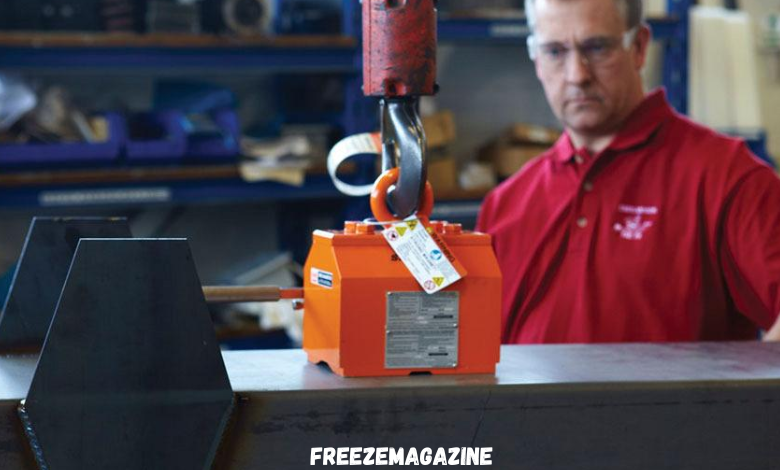
In industrial environments, lifting magnets can make demanding tasks safer, faster, and more controlled. They are especially useful when crews need to lift heavy ferrous metal covers, plates, or similar components during maintenance, inspection, and repair work. A well-designed lifting magnet service, like the solutions featured at www.mrmanhole.com/, can help reduce manual strain, improve handling, and keep hands farther away from dangerous pinch points.
That said, a lifting magnet is not something to use casually. Even though it simplifies the lifting process, safe results still depend on preparation, attention, and consistency. A magnet may do the gripping, but people are still responsible for every step before, during, and after the lift. When teams follow a clear process, they can improve workflow efficiency while lowering the risk of injury, dropped loads, and avoidable mistakes.
Start With The Surface Before The Lift
The safest lifts begin long before the load moves. The condition of the metal surface has a direct effect on how well the magnet performs, so the first priority should always be checking the contact area carefully.
Clean The Contact Area
Dust, grease, standing water, rust flakes, mud, and loose paint can all interfere with a strong magnetic hold. Even a powerful magnet can lose effectiveness if the surface is dirty or uneven. That is why workers should take a moment to wipe down the contact point and remove anything that could weaken the grip.
This step may seem small, but it can make a major difference. Many lifting problems begin with a surface that was never properly prepared.
Confirm The Metal Is Ferrous
Not every metal object in an industrial setting is a good match for a lifting magnet. Crews should confirm that the target material is ferrous and compatible before starting the lift. Assuming that every metal surface will respond properly is a mistake that can create unnecessary risk.
Fun Fact: Not all metals are magnetic. Iron, nickel, and cobalt respond strongly to magnets, while metals like aluminum and copper do not.
Inspect The Magnet Before Every Use
A lifting magnet may appear simple, but it still needs a full visual check before it goes into action. Equipment that looks fine at a glance can still have wear or damage that affects performance.
Look For Damage Or Wear
Inspect the body of the magnet, the connection point, the D-ring, and any linked lifting hardware. Look for cracks, bending, loose fittings, corrosion, or signs of stress. If anything appears damaged or worn, the magnet should not be used until it has been properly checked or replaced.
A tool failure under load is one of the last problems any crew wants to face. A quick inspection can prevent a dangerous situation from developing.
Review The Lift Plan
Before lifting begins, the team should know exactly what is being moved, where it is going, and who is guiding the operation. This is especially important in active industrial workflows where multiple people and tasks may be happening at once. Clear communication reduces hesitation and helps avoid mixed signals during movement.
Engage The Magnet Fully Before Moving Anything
One of the most common lifting mistakes is assuming the magnet is secure just because it touches the metal. Contact alone does not guarantee a safe hold. The magnet must be positioned correctly and fully engaged before any actual lifting starts.
Test The Hold First
Instead of immediately raising the object, apply controlled tension first. A slight test pull allows the crew to confirm that the magnet is gripping firmly and that the object is stable. If the magnet shifts, slips, or feels uneven, lower the tension and reposition it before continuing.
That extra pause can prevent a dropped load and protect both the crew and the surrounding work area.
Keep Hands Away From Pinch Points
One of the biggest safety benefits of lifting magnets is that they reduce the need for direct hand contact with heavy metal objects. Still, this benefit only works if workers keep their fingers and hands away from edges, seams, and contact zones once the magnet is engaged.
If the load shifts suddenly, hands should never be close enough to get trapped. Distance is part of the safety system.
Lift Smoothly And Stay In Control
Safe lifting is not about moving fast. It is about moving carefully. A controlled lift gives workers more time to react, correct alignment, and avoid sudden surprises.
Raise The Load Slowly
Lift the object gradually and watch how it responds. Look for signs of rocking, dragging, tilting, or unstable balance. If anything seems off, stop the lift and reassess the setup. Forcing the movement usually makes the situation worse.
Lifting magnets are valuable because they help reduce the strain of awkward manual lifting. They are meant to support safer handling, not encourage rushing.
Keep The Area Clear
No one should stand beneath the load or in its movement path. The area should be cleared before the lift begins, not while it is already in progress. In a busy industrial setting, this can be easy to overlook, which is why assigning one person to monitor the path can be a smart move.
Fun Fact: Some industrial magnets are so strong that their holding force can be far greater than their own size suggests, which is one reason they are so useful in heavy-duty workflows.
Make Safety Part Of The Workflow
The best safety results come when lifting magnet procedures are built into normal operations instead of treated like a special case. Consistency makes work smoother and reduces the chance of human error.
Train For A Repeatable Process
A clear step-by-step routine helps everyone stay on the same page. Inspect the magnet, clean the surface, position it correctly, engage it fully, test the hold, lift carefully, move steadily, lower safely, and inspect the tool again after use. A repeatable sequence builds confidence and reduces confusion.
Use The Magnet With The Right Support Equipment
A lifting magnet works best when paired with compatible lifting hardware and used as part of a properly planned workflow. Improvised setups can create instability and increase the chance of a failed lift. Using the right attachments and following the intended setup helps crews stay safer and work more efficiently.
Finish The Job With Proper Post-Use Care
A lift does not truly end when the object reaches the ground. Post-use care matters because it affects the safety and reliability of the next job.
Clean And Store The Magnet Properly
After use, wipe off dirt, dust, moisture, and metal debris. Store the magnet in a dry, protected area where it will not be exposed to unnecessary impact or corrosion. Good storage habits help keep the equipment reliable over time.
Report Problems Immediately
If the magnet slips, feels weaker than normal, or shows new wear after use, the issue should be documented right away. Small warning signs often appear before bigger failures. Catching them early can protect both workers and equipment.
Better Safety Comes From Better Habits
Lifting magnets can be a major advantage in industrial workflows. They help reduce physical strain, improve control, and support safer handling of heavy ferrous materials. Still, the real safety value comes from the habits surrounding the tool. Crews that inspect surfaces, check equipment, test the hold, move slowly, and respect safe positioning are the ones most likely to get the full benefit.
Industrial safety is rarely about one dramatic decision. More often, it comes down to smaller choices made consistently. Clean the surface. Check the magnet. Lift with patience. Keep hands clear. Follow the process every time. Those simple actions can make the difference between a stressful lift and a smooth one.








Post Comment