Reversing Time Naturally: What Modern Facelift Surgery Can and Can’t Do for You
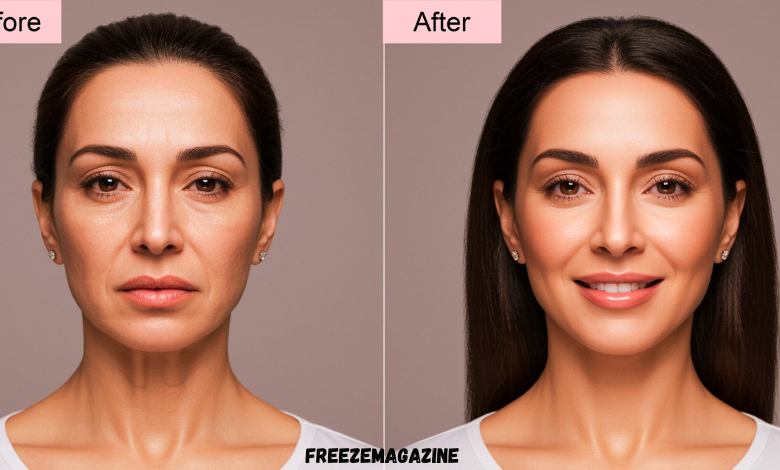
Cosmetic surgery has undergone a quiet revolution in recent years. Gone are the days when facelifts were synonymous with a stretched, artificial look. Modern facelift surgery London is now all about enhancing your natural features, restoring youthful contours, and giving you a refreshed appearance without losing your individuality. If you’re considering a facelift, it’s important to understand exactly what a facelift can achieve and where its limitations lie. This guide will provide you with a clear understanding before you book that consultation.
How Modern Facelift Surgery Has Evolved
Over the past two decades, facelift surgery has evolved dramatically. The focus has shifted from simply tightening the skin to repositioning the deeper structures of the face. Early techniques primarily focused on pulling the skin backward, often leading to a stretched, unnatural look that aged poorly.
Today’s techniques, such as the deep plane facelift, work deeper within the skin, targeting the SMAS (superficial musculoaponeurotic system), a key connective tissue layer beneath the skin. By manipulating this deeper layer, surgeons can restore lost volume and contours while achieving results that look completely natural and last longer.
Dr. Dirk Kremer, a renowned surgeon at Harley Street Aesthetics, has taken this further with his signature Vertical Dual-Plane Facelift.
What a Facelift CAN Achieve
- Restore Jawline Definition: Eliminate jowls and restore sharp jawline contours.
- Tighten Neck: Address loose, sagging skin on the neck.
- Smooth Nasolabial Folds and Marionette Lines: Soften deep lines around the mouth.
- Replenish Midface Volume: Lift and reposition tissue to restore youthful volume in the cheeks, rather than just adding filler.
- Create a Fresh Appearance: Achieve a natural, rested look that enhances your features.
- Long-Lasting Results: Deep plane facelifts can last 10-15 years.
For patients mainly concerned with their jawline, neck, and lower face, a lower facelift is often the best solution.
What a Facelift CANNOT Do
It’s important to set realistic expectations before undergoing a facelift. Here’s what the procedure cannot achieve:
- Stop the Aging Process: While a facelift can make you look 10-12 years younger, it doesn’t stop the clock. You’ll continue to age after the surgery, but from a refreshed baseline.
- Replace Skincare or Non-Surgical Treatments: To maintain the results, a good skincare routine, sun protection, and lifestyle habits like no smoking and proper nutrition are essential.
- Change Bone Structure: A facelift can’t alter your bone structure or make you look like someone else. The goal is enhancement, not transformation.
- Eliminate All Fine Lines: While a facelift can tighten sagging skin, finer lines and skin texture issues are better addressed with additional treatments, such as Botox, dermal fillers, or an eyelid lift.
Who Should Consider Facelift Surgery?
Ideal candidates for facelift surgery are typically between their 40s and 70s, in good health, non-smokers (or willing to quit), and have realistic expectations. They should seek the procedure for personal reasons, not under external pressure.
- Noticeable jowling or sagging skin that doesn’t respond to non-surgical treatments
- Significant skin laxity in the neck or lower face
- Volume loss or tissue descent in the cheeks
- A desire for a natural, refreshed look, not a dramatic transformation
- Good skin elasticity for smooth post-surgery results
For those earlier in their aging process, a mini facelift or non-surgical treatments may be the best option.
The Importance of the Right Location and Surgeon
Choosing the right location and surgeon for your facelift is critical. Harley Street in London is a globally recognized hub for medical excellence, known for high standards of care, privacy, and aftercare. Dr. Dirk Kremer, with over a decade of experience on Harley Street, is renowned for delivering natural-looking results, making him a trusted name for facelift surgery.
Understanding Facelift Recovery
Recovery after a modern facelift is typically more comfortable than many expect.
- Days 1-5: Swelling and bruising peak. Rest, elevation, and cold compresses help manage this.
- Days 5-14: Swelling starts to decrease, and bruising fades. Sutures are typically removed by day 7-10.
- 3-6 Months: Full results start to show, with scars continuing to soften.
The use of supplements like Arnica before surgery and Bromelain after can help reduce swelling and bruising. Staying hydrated, avoiding alcohol and smoking, and eating a nutritious diet are key to a smooth recovery.
Is Now the Right Time for You?
The decision depends on your specific concerns and goals. If you’ve been feeling self-conscious about your appearance and think a facelift could help restore your confidence, it might be the right time.
If you’re ready to discuss what facelift surgery can realistically do for you, the best next step is to schedule a consultation with a qualified surgeon who will give you honest, tailored advice.
Final Thoughts
A modern facelift isn’t about chasing unrealistic youth; it’s about restoring your natural beauty and feeling good about the face you see in the mirror. When done by a skilled surgeon with the right technique, a facelift can be transformative—yet entirely natural. You won’t look “done” or overdone; you’ll just look like a refreshed version of yourself, and people will wonder why you look so rested and youthful.





Post Comment