Real Estate in the Middle East: Trends, Opportunities, and Market Insights
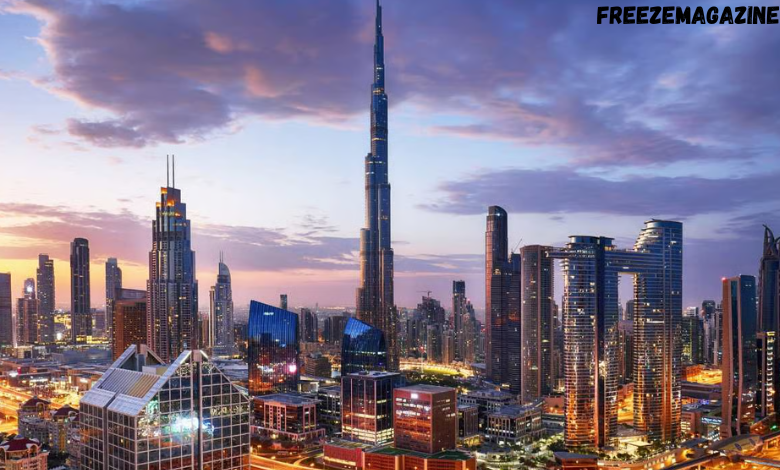
The Middle-East.Real Estate is your digital compass in a region where desert sands give way to glass towers and investment dreams take architectural form. Real estate in the Middle East has never been more electric, more diverse, or more promising. From record-breaking price hikes to AI-powered smart homes, the property market is undergoing a full-scale reinvention—fueled by visionary city planning, sovereign wealth, and a hunger for modernity.
What was once the domain of oil wealth has become a magnet for global investors chasing sun, yield, and status. In Dubai, 2024 saw residential sales prices soar by 15.60%, with apartments climbing 15.22% and villas shooting up 17.81%. Whether you’re looking at shimmering towers or sunlit garden estates, both apartments in the Middle East and villas in the Middle East are drawing unprecedented interest from every corner of the globe.
Forecasting a Market on Fire
Let’s talk numbers. The real estate market here isn’t just growing—it’s doubling. Analysts aren’t whispering optimism; they’re shouting it. By 2034, the region’s total property value could touch nearly 850 billion USD.
| Year | Market Size (USD bn) |
| 2024 | 389.74 |
| 2025 | 420.50 |
| 2033 | 799.46 (forecast) |
| 2034 | 849.00 (forecast) |
Pushed forward by infrastructure expansion, tourism-driven policies, and deregulation in foreign ownership, the Middle East is laying down the concrete for the next property supercycle.
Price Spikes and Rental Goldmines
Not only are prices rising fast—rents are keeping up. In Dubai alone, 2024 saw a 20% surge in residential sales prices and a 19% jump in rental rates. This is not a temporary spike. It’s a structural shift.
Rental yields are sharp and steady in many of the region’s top cities:
| City | Avg. Apartment Yield | Avg. Villa Yield |
| Dubai | 7.4% | 5.1% |
| Riyadh | 9.1% (2-BR) | 10.1% (3-BR) |
That’s not just healthy—it’s mouthwatering for any yield-chaser watching the eurozone limp along at 2–3%. Riyadh, in particular, is pulling ahead as a rental powerhouse thanks to its limited housing stock and influx of expats.
Country-by-Country Momentum
United Arab Emirates
Dubai remains the crown jewel. Luxury reigns supreme, but accessibility is improving. A strong pipeline of residential and commercial projects continues to draw buyers from Russia, India, China, and Europe. Abu Dhabi is flexing its muscles too, with more inventory tailored to families and investors with a long-term horizon.
Saudi Arabia
Vision 2030 isn’t just policy—it’s urban alchemy. Cities are being born from sand: NEOM, the Red Sea project, Qiddiya. Riyadh is no longer just a government city; it’s a living, breathing investment destination. Villa yields of over 10%? That’s not a typo.
Oman
Villas for sale in Muscat, Oman, are gaining significant attention. GCC retirees and expats from Germany and France are eyeing the coast. In 2024 alone, villa plot prices in Muscat suburbs jumped more than 12%. This is slow-burn value—and it’s heating up.
Qatar and Bahrain
Post-World Cup Qatar is going green and smart. Developers are shifting to sustainable and community-based projects, attracting professionals looking beyond the glitz. Bahrain, meanwhile, offers a low-barrier entry for first-time buyers, especially from Saudi Arabia, thanks to its simpler rules and lower average home prices.
Dubai Snapshot: How Much Prices Jumped
| Property Type | YoY Price Change |
| Apartments | 15.22% |
| Villas | 17.81% |
| Houses | 16.50% (est.) |
Price inflation isn’t cooling off. It’s intensifying—driven by tight inventory, high demand, and a growing preference for ownership over renting.
PropTech Surge: The Digital Backbone
This is no longer a “location-location-location” game. It’s data-driven, AI-assisted, blockchain-backed real estate. The PropTech industry in the Middle East was worth a cool 1 billion USD in 2024—and it’s just getting started, with projected annual growth of 15 to 18%.
Where we are and where we’re headed:
- AI: Instant pricing analytics, investor dashboards, and property recommendation engines
- Blockchain: No more paperwork chaos. Smart contracts are handling rental agreements and title transfers
- IoT: Homes aren’t just smart; they’re predictive—regulating temperature, lighting, and energy consumption automatically
- VR: Buyers from London or Hong Kong can now “walk through” a penthouse in Abu Dhabi from their couch
Sustainability Takes the Spotlight
Green isn’t a gimmick anymore. It’s a requirement. Governments are tying incentives to environmental performance. Developers are planting trees on rooftops, installing solar panels, and building entire districts around eco-principles.
NEOM in Saudi Arabia promises carbon neutrality and AI-controlled city systems. The UAE is leading the way with projects like Masdar City and The Sustainable City, where walkability, solar power, and water conservation aren’t features—they’re foundations.
So You Want to Buy Property in the Middle East?
It’s not just about picking the right view. Here’s your cheat sheet:
- Understand Ownership Laws: Freehold? Leasehold? Usufruct? Every country has its own property gameboard. Some let you own land outright. Others only let you lease long-term.
- Use a Portal That Works: Sites like the Middle-East.RealEstate give you the comparison tools and verified listings that protect your time and your wallet.
- Hire a Local Agent: Not optional. They’ll help you dodge red tape, negotiate the right price, and keep you from signing anything shady.
- Plan for Extra Costs: These aren’t all-inclusive prices. Expect to pay 2–4% in fees for registration and agents, plus annual service fees—especially if you’re buying in a gated community or high-rise.
Looking Ahead: A Region in Motion
Where is all of this going? Forward—fast.
- Mega-City Momentum: Think NEOM, think Dubai South, think Riyadh expansion zones. These aren’t cities—they’re blueprints for new economies.
- Shift to the Middle: The market isn’t just about the ultra-rich anymore. A wave of mid-market houses in the Middle East is coming—serving professionals, digital nomads, and middle-class families.
- Yield Stability: Rental yields above 5% are here to stay, even as prices rise. The equation still works—and international capital knows it.
In a world swirling with volatility, real estate in the Middle East stands tall. It’s not a bubble. It’s a structural recalibration. Luxury meets logic. Risk meets reward. Sun meets stone. The smart money isn’t asking “if”—it’s asking “where.” And increasingly, the answer is: here.






Post Comment