Navigating the Craft: The Comprehensive Guide to New vs. Used Brewery Equipment
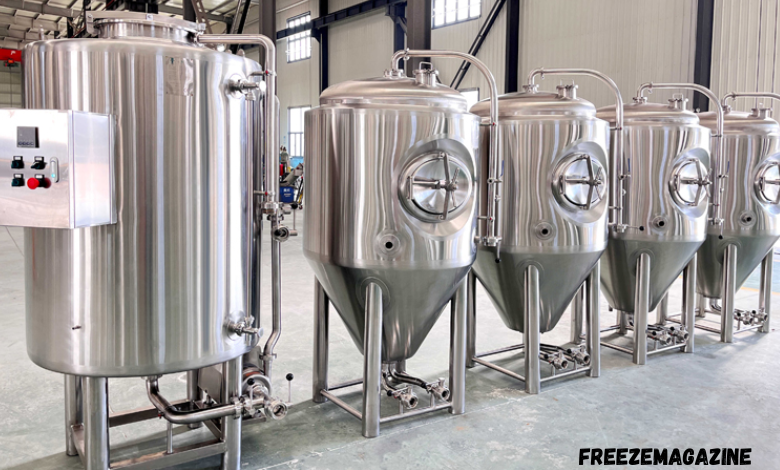
The dream of opening a brewery often begins with a single perfect recipe, but it quickly evolves into a complex puzzle of stainless steel, thermodynamics, and financial forecasting. For many entrepreneurs, the most significant fork in the road is a binary choice: do I invest in shiny, custom-built new equipment, or do I hunt for value in the secondary market?
The stakes are remarkably high. Equipment typically accounts for 60% to 80% of a brewery’s initial capital expenditure. Choosing correctly can set you up for decades of growth; choosing poorly can result in persistent mechanical failures, inconsistent beer quality, and “hidden” costs that quickly evaporate any initial savings. This article explores the nuanced trade-offs between new and used brewery equipment to help you make an informed decision for your business.
The Case for New Brewery Equipment: Precision and Peace of Mind
Purchasing new equipment is the “gold standard” for a reason. When you buy new, you aren’t just buying tanks; you are buying a relationship with a manufacturer, a guarantee of performance, and the ability to dictate exactly how your workflow will function.
1. Customization and Ergonomics
New equipment allows for a “bespoke” approach. Every brewery space is different—some have low ceilings, others have awkward corners or specific drainage layouts. When ordering new, you can specify manway placements, pipe lengths, and the orientation of your control panels. This level of customization ensures that your brewhouse is ergonomic, reducing the physical strain on your brewers and maximizing the efficiency of every square foot.
2. The Latest Technology and Automation
The brewing industry has seen a massive influx of technology over the last decade. Modern brewhouses often feature sophisticated Programmable Logic Controllers (PLCs) that allow for precise temperature ramping, automated strike water mixing, and flow-metering. These features do more than just make the job easier; they ensure consistency. In a competitive market, being able to hit the same gravity and flavor profile batch after batch is non-negotiable.
3. Warranty and Technical Support
This is perhaps the biggest “pro” of new equipment. Most reputable manufacturers offer warranties ranging from 1 to 5 years on stainless steel and shorter periods on mechanical parts like pumps and motors. If a heat exchanger fails or a weld leaks in the first month, the manufacturer is on the hook for the repair. Furthermore, having a dedicated support line means you have an expert to call when you’re troubleshooting a sensor issue at 2 AM.
4. Simplified Financing
Banks and specialized equipment lenders are far more likely to approve a loan for new equipment. New assets have a clear valuation and a predictable depreciation schedule, making them better collateral. Many manufacturers also offer internal financing or lease-to-own programs, which can help manage your cash flow during the critical first year of operation.
The Case for Used Brewery Equipment: Speed and Savings
If new equipment is about precision, used equipment is about agility. In an era of global supply chain fluctuations, the secondary market offers a pathway to getting “beer in glass” much faster than waiting for a custom build.
1. Significant Capital Savings
The most obvious benefit of used gear is the price tag. On average, used brewery equipment sells for 40% to 60% of the cost of new equipment. For a startup on a shoestring budget, this can be the difference between opening your doors or remaining a “paper brewery.” These savings can be redirected into marketing, taproom aesthetics, or hiring a high-level head brewer.
2. Immediate Availability
Standard lead times for new brewing systems can range from 6 months to over a year. Used equipment, whether purchased from a closing brewery or an auction, is usually available for immediate pickup or shipping. If you’ve already signed a lease on a building, every month you spend waiting for equipment is a month of “burnt” rent. Used gear allows you to hit the ground running.
3. Proven Performance
There is a certain “trial by fire” that equipment undergoes in a working brewery. If a 15-barrel fermenter has been in constant use for three years without a leak or a cooling jacket failure, you know it works. While you don’t get a factory warranty, you can often speak with the previous owner to learn the specific “quirks” of the system.
4. Sustainability
From an environmental standpoint, reusing heavy industrial equipment is the ultimate “green” choice. The carbon footprint of mining, refining, and fabricating 10 tons of stainless steel is immense. By purchasing used, you are extending the lifecycle of existing assets and reducing industrial waste.
The Hidden Costs of Used Equipment: What to Watch For
While the “sticker price” of used equipment is attractive, the “total cost of ownership” can be surprisingly high. Prospective buyers must be diligent to avoid “lemon” systems that drain their bank accounts.
1. The “Frankenstein” Effect
Used systems are rarely “turnkey.” You might buy a brewhouse from one source, fermenters from another, and a glycol chiller from a third. Connecting these disparate pieces often requires significant custom welding and piping work. Professional stainless steel welding is expensive, and these “minor” modifications can quickly add thousands of dollars to your budget.
2. Wear and Tear on Consumables
Stainless steel vessels can last 30 years, but the parts attached to them do not. When buying used, you should assume that every gasket, seal, and butterfly valve needs to be replaced. Pumps may need new impellers, and heat exchangers may need to be dismantled and deep-cleaned to remove years of beer stone or organic buildup.
3. Shipping and Rigging Logistics
When you buy new, the manufacturer often handles the logistics of getting the equipment to your door. Moving large, heavy tanks requires specialized rigging equipment and experience. If a tank is dropped or dented during the move, there is no insurance claim to file against a manufacturer.
4. Obsolete Controls
If you buy a system that is 10 or 15 years old, the electrical components may be obsolete. Finding replacement parts for an old PLC or a discontinued VFD (Variable Frequency Drive) can be a nightmare. In some cases, you may end up having to pay an electrician to rewire the entire control panel to meet modern safety codes.
A Direct Comparison: New vs. Used
To help visualize the trade-offs, the following table summarizes the key differences:
Essential Checklist for Buying Used Equipment
If you decide to go the used route, do not buy “sight unseen.” If possible, bring a professional welder or an experienced brewer with you to inspect the gear. Look for the following:
- Inspect the Welds: Look for “sugar” or pitting in the welds. Poor welds are breeding grounds for bacteria and are nearly impossible to clean.
- Pressure Test: Ask to see the tanks under pressure. A leak in a glycol jacket can be a “death sentence” for a fermenter, as it is often too expensive to repair.
- Check for “Beer Stone”: Excessive buildup of calcium oxalate (beer stone) indicates poor maintenance. While it can be cleaned, it suggests the previous owner may have neglected other parts of the system.
- Verify Voltage: Ensure the equipment matches your building’s electrical service (e.g., Single-phase vs. Three-phase).
Why Choose Micet for Your Brewery Equipment?
While the used market can be tempting, the risks often outweigh the rewards for new business owners who need to focus on brewing, not plumbing. This is where Micet steps in.
Micet offers a “middle ground” that combines the high-end customization of Western manufacturers with the competitive pricing that makes a startup viable. Whether you are looking for a 1BBL nano-system to test recipes or a 50BBL production brewhouse, Micet’s equipment is engineered for longevity and precision.
Why Micet Stands Out:
- Superior Material Quality: All Micet tanks are constructed from certified 304 or 316L stainless steel, ensuring your equipment remains corrosion-free for decades.
- Global Support: Micet doesn’t just ship a box and disappear. They offer comprehensive installation guidance and a robust warranty that provides the peace of mind you simply can’t find on the used market.
- Turnkey Solutions: From grain handling to packaging, Micet can design a fully integrated system that works together seamlessly, avoiding the “Frankenstein” issues of used gear.
Investing in Micet is an investment in the future of your beer. By choosing new, high-quality equipment, you eliminate the variables that lead to batch failure and mechanical downtime.
Frequently Asked Questions (FAQ)
1. How long does brewery equipment actually last?
Stainless steel vessels, such as mash tuns and fermenters, can easily last 20 to 30 years if properly maintained. However, mechanical parts like pumps, motors, and electronic sensors typically have a lifespan of 5 to 10 years. Gaskets and seals are considered “consumables” and should be replaced annually.
2. Can I mix new and used equipment in the same brewery?
Absolutely. Many breweries find a “hybrid” approach works best. For example, they might invest in a new, high-efficiency brewhouse to ensure consistent wort production but save money by purchasing used fermenters or brite tanks, which are simpler vessels with fewer moving parts.
3. Is it possible to get a warranty on used equipment?
Generally, no. Most used equipment is sold “as-is, where-is.” Some specialized refurbishing companies may offer a limited 90-day warranty on equipment they have personally overhauled, but this is the exception rather than the rule. When buying used, you are essentially your own warranty provider.






Post Comment