Natural Red Food Colors and the Growing Demand for Natural Food Colors
Color does more than make food look appealing—it shapes how we experience it. A bright red drink feels fruity before the first sip. A soft pink dessert feels indulgent. But as consumers become more aware of what goes into their food, the source of these colors is being questioned more than ever.
This shift has pushed natural food colors into the spotlight, with natural red food colors becoming one of the most sought-after—and challenging—segments.
Why Natural Food Colors Are No Longer Optional
It’s driven by a deeper change in consumer behavior.
Today’s consumers:
- Read ingredient labels carefully
- Prefer plant-based, recognizable sources
- Avoid artificial additives when possible
For food brands, this creates a clear challenge: maintain visual appeal while moving away from synthetic dyes.
But natural colors don’t always behave like their artificial counterparts. They are more sensitive, less predictable, and often require reformulation.
The Importance of Red in Food
Red is one of the most emotionally powerful colors in food.
It is associated with:
- Sweetness and ripeness
- Energy and excitement
- Indulgence and flavor intensity
From strawberry beverages to cherry candies and tomato-based sauces, red plays a central role across multiple categories.
But achieving that perfect red—naturally—is not as straightforward as it seems.
Common Sources of Natural Red Food Colors
To replace synthetic reds, manufacturers rely on a range of natural sources.
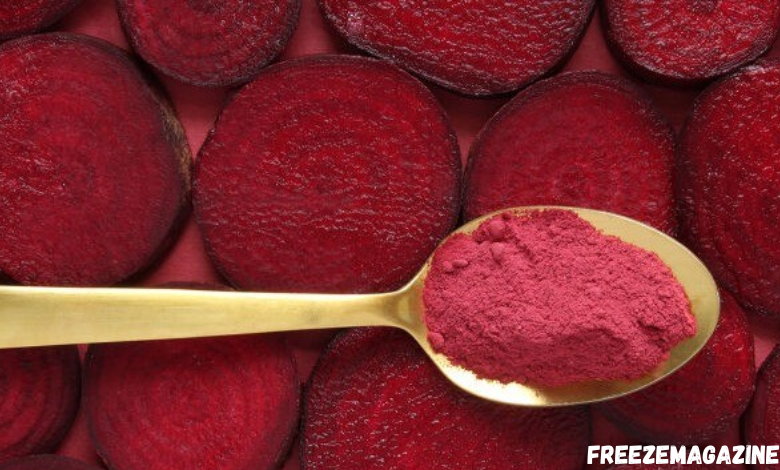
1. Beetroot
One of the most widely used sources for natural red.
Pros:
- Clean-label friendly
- Readily available
Challenges:
- Sensitive to heat and light
- Can develop earthy notes in some applications
Pros:
- Wide shade range (red to purple)
- Better consumer perception
Challenges:
- Highly dependent on pH
- Can shift color in different formulations
3. Paprika Extract
Used for more orange-red tones.
Pros:
- Good stability in certain applications
- Oil-soluble options available
Challenges:
- Limited to warmer red shades
4. Carmine (where permitted)
Derived from insects, used for vibrant red tones.
Pros:
- Excellent stability
- Strong, consistent color
Challenges:
- Not suitable for vegan or vegetarian products
- Labeling concerns in some markets
Why Natural Red Is So Difficult to Work With
Unlike synthetic colors, natural red pigments are sensitive to multiple factors:
- pH levels: Some reds turn purple or fade in acidic conditions
- Temperature: Heat can degrade the pigment
- Light exposure: Leads to fading over time
- Oxygen: Can affect color intensity
This makes it challenging for products like:
- Carbonated beverages
- Long shelf-life snacks
- High-temperature processed foods
For brands, this means more than just choosing a color—it means rethinking the entire formulation.
The Role of Natural Food Colors Manufacturers
Behind every stable, vibrant natural color is a significant amount of technical work.
Manufacturers in this space focus on:
- Selecting the right raw material sources
- Enhancing stability through processing
- Developing application-specific solutions
- Ensuring consistency across batches
They often work closely with food brands to adapt colors based on the product’s environment—whether it’s acidic, heat-processed, or shelf-stable.
In many cases, success depends on this collaboration.
Applications of Natural Red Food Colors
Despite the challenges, natural red colors are widely used across industries:
- Beverages: Juices, flavored drinks, health beverages
- Dairy: Yogurts, ice creams, flavored milk
- Confectionery: Gummies, candies, jellies
- Bakery: Fillings, icings, decorations
- Savory foods: Sauces, seasonings, ready meals
Each application requires a slightly different approach, depending on processing conditions and shelf-life requirements.
Looking Ahead: The Future of Natural Colors
The move toward natural food colors is only going to accelerate.
As technology improves, we can expect:
- More stable natural red solutions
- Better resistance to heat and light
- Wider shade options for different applications
- Increased affordability with scale
But even with these advancements, natural colors will always require a more thoughtful approach than synthetic ones.
Final Thoughts
Natural red food colors highlight both the opportunity and the challenge within the broader natural food colors market.
They offer a cleaner, more transparent way to color food—but they also demand deeper expertise, better formulation strategies, and closer collaboration between brands and manufacturers.
Because in today’s food industry, it’s not just about making products look good—it’s about making them feel right to the consumer as well.








Post Comment