Multi-Port vs Single-Port PCI Parallel Cards: The Complete Engineering Buyer’s Guide
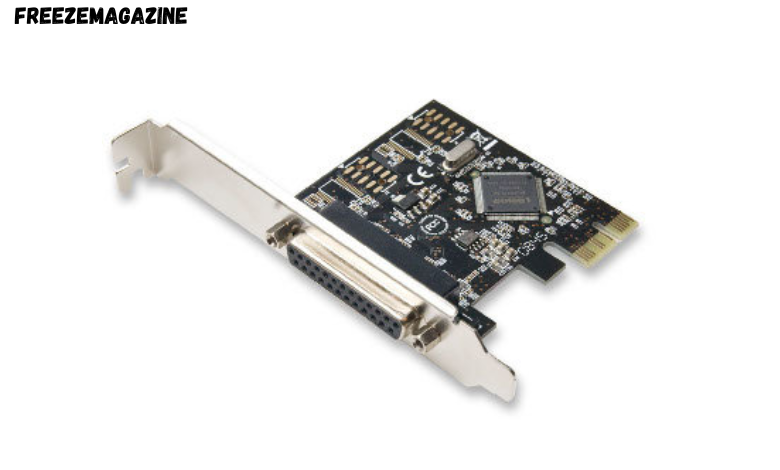
Legacy industrial systems continue to rely on parallel communication protocols for critical manufacturing processes, laboratory equipment, and data acquisition systems. While modern computing has largely moved away from parallel interfaces, thousands of facilities still operate equipment that requires these connections for reliable operation. The challenge lies in maintaining compatibility between older parallel-dependent devices and newer computer systems that lack built-in parallel ports.
Engineering managers face a fundamental decision when upgrading or maintaining these systems: whether to implement single-port or multi-port PCI parallel cards. This choice affects not only immediate functionality but also long-term operational flexibility, system reliability, and maintenance efficiency. The wrong selection can lead to unnecessary downtime, complicated wiring configurations, and increased support complexity.
Understanding PCI Parallel Card Architecture and Port Configuration
PCI parallel cards restore parallel communication capabilities to modern computers by providing dedicated parallel ports through the PCI bus interface. These expansion cards translate digital signals between the computer’s internal data pathways and external parallel devices, maintaining the timing and voltage characteristics required for proper device communication.
When evaluating pci card parallel options, the fundamental distinction between single-port and multi-port configurations becomes critical for system planning. Single-port cards provide one parallel connection per card slot, while multi-port variants can offer two, four, or even eight parallel ports on a single card.
The architecture of these cards determines their performance characteristics and integration requirements. Single-port designs typically dedicate more circuit board space and power resources to each port, potentially offering superior signal integrity and isolation. Multi-port cards share resources across multiple connections, which can introduce considerations around simultaneous operation and signal interference.
Signal Processing and Resource Allocation
Single-port cards allocate their entire signal processing capacity to one connection, ensuring consistent data transfer rates and minimal latency. This dedicated approach proves particularly valuable when connecting high-throughput devices like industrial printers or precision measurement equipment that require uninterrupted data flow.
Multi-port cards distribute their processing capabilities across multiple channels, which can affect performance when all ports operate simultaneously. The shared architecture may introduce slight delays or reduced throughput per port under heavy usage conditions, though this impact varies significantly based on the specific application requirements.
Power Distribution and Electrical Isolation
Power management differs substantially between single and multi-port designs. Single-port cards can provide more robust power delivery to their connected device, supporting accessories that draw higher current or require more stable voltage regulation. Multi-port cards must balance power distribution across multiple connections, potentially limiting the types of devices that can be supported simultaneously.
Electrical isolation becomes more complex with multi-port configurations. While single-port cards can implement comprehensive isolation between the computer and connected device, multi-port designs must also consider isolation between the individual ports to prevent interference or ground loop issues.
Operational Flexibility and System Scalability Considerations
The choice between single-port and multi-port configurations directly impacts how systems can be expanded or reconfigured over time. Organizations with evolving equipment needs must consider both immediate requirements and potential future expansion scenarios.
Multi-port cards offer obvious advantages for environments requiring multiple parallel connections. Manufacturing lines with several parallel-dependent devices can consolidate connections through fewer expansion slots, preserving space for other system components. This approach also simplifies cable management by centralizing parallel connections to specific areas of the computer chassis.
However, multi-port implementations can create single points of failure that affect multiple devices simultaneously. When a multi-port card experiences problems, all connected devices lose communication until the issue is resolved. This risk becomes particularly significant in continuous operation environments where downtime carries substantial operational costs.
Expansion Slot Utilization and System Resources
Single-port cards require one expansion slot per parallel connection, which can quickly consume available PCI slots in systems with multiple parallel devices. Modern industrial computers often provide limited expansion capacity, making slot conservation an important planning consideration.
Multi-port cards maximize the utility of each expansion slot but may require more sophisticated driver management and system configuration. The increased complexity can complicate troubleshooting and maintenance procedures, particularly when dealing with intermittent communication issues that affect only specific ports.
Maintenance Access and Troubleshooting Procedures
Maintenance procedures differ significantly between single and multi-port configurations. Single-port cards allow for individual device isolation during troubleshooting, enabling technicians to address communication issues without disrupting other parallel connections. This isolation proves valuable during routine maintenance or when diagnosing intermittent problems.
Multi-port cards require more comprehensive troubleshooting approaches since problems can stem from shared resources or port-to-port interference. However, they also enable more efficient testing procedures when multiple devices need simultaneous evaluation or calibration.
Performance Characteristics and Communication Reliability
The performance profile of parallel cards varies based on their port configuration and the demands placed on their communication channels. Understanding these characteristics helps prevent compatibility issues and ensures reliable long-term operation.
Single-port cards typically deliver more consistent performance characteristics since they avoid the resource contention that can occur with shared architectures. This consistency proves particularly important for time-sensitive applications like real-time data acquisition or precision control systems where communication delays can affect measurement accuracy or process control.
Multi-port cards can experience performance variations when multiple ports operate simultaneously, especially during high-throughput operations. The degree of performance impact depends on the specific card design, the data transfer patterns of connected devices, and the overall system configuration.
Data Transfer Timing and Synchronization
Timing characteristics become more complex with multi-port configurations due to the need for internal arbitration between multiple communication channels. While this arbitration typically operates at speeds much faster than the parallel communication itself, it can introduce minor variations in data transfer timing that may affect sensitive applications.
Single-port implementations avoid these timing complications by providing direct, dedicated pathways between the computer and connected device. This direct connection approach aligns with the original design principles of parallel communication, where predictable timing was essential for proper operation.
Error Handling and Communication Recovery
Error detection and recovery procedures vary between single and multi-port implementations. Single-port cards can implement more straightforward error handling since they manage only one communication channel, making it easier to identify and address specific communication problems.
Multi-port cards require more sophisticated error handling to distinguish between port-specific issues and card-wide problems. This complexity can complicate diagnostic procedures but also enables more detailed monitoring of individual device communication status.
Cost Analysis and Long-Term Value Considerations
The financial implications of single-port versus multi-port selection extend beyond initial purchase costs to include installation complexity, maintenance requirements, and system lifecycle considerations. According to the Institute of Electrical and Electronics Engineers, total cost of ownership for industrial communication systems often exceeds initial hardware costs by a factor of three to five over typical equipment lifecycles.
Single-port cards generally carry higher per-port costs but offer greater flexibility for incremental system expansion. Organizations can add parallel connectivity as needed without over-investing in unused capacity. This approach also distributes risk across multiple cards, reducing the potential impact of individual component failures.
Multi-port cards provide better cost efficiency for systems requiring multiple parallel connections from the outset. The reduced expansion slot requirements can also enable more compact system configurations, potentially reducing overall hardware costs and space requirements.
Installation and Configuration Complexity
Installation procedures for single-port cards tend to be more straightforward since each card operates independently with minimal configuration requirements. This simplicity can reduce installation time and lower the skill level required for system setup and maintenance.
Multi-port cards may require more detailed configuration to optimize port assignments and manage shared resources effectively. While this adds complexity to the initial setup process, it can also provide greater control over system behavior and performance characteristics.
Spare Parts and Maintenance Inventory
Maintenance inventory strategies differ based on the port configuration approach. Single-port implementations may require larger spare parts inventories to cover multiple cards, but individual card replacement costs remain lower. Multi-port configurations require fewer spare units but represent higher individual replacement costs when failures occur.
The choice also affects maintenance procedures and downtime duration. Single-port failures impact only one device, enabling partial system operation during repairs. Multi-port failures can affect multiple devices simultaneously, potentially requiring more comprehensive maintenance shutdowns.
Environmental and Application-Specific Factors
Operating environment characteristics significantly influence the suitability of single versus multi-port parallel card configurations. Factors such as electromagnetic interference, temperature variations, and vibration levels can affect card performance and reliability in different ways.
Single-port cards often provide better isolation from environmental interference since each card operates independently with dedicated shielding and signal conditioning. This isolation can prove critical in environments with significant electrical noise or when connecting to devices with varying grounding configurations.
Multi-port cards may be more susceptible to environmental factors that affect multiple channels simultaneously. However, their consolidated design can also enable more robust overall construction and better protection for shared circuit components.
Application-Specific Requirements
Different industrial applications place varying demands on parallel communication systems. Laboratory equipment often requires precise timing and low noise characteristics that favor single-port implementations. Manufacturing environments may prioritize connection density and simplified wiring that multi-port cards provide more effectively.
Security considerations can also influence the selection process. Systems requiring physical separation between different devices or data streams may benefit from the inherent isolation that single-port cards provide, while consolidated applications may find multi-port solutions more manageable from a security monitoring perspective.
Future Technology Migration
Long-term technology planning should consider the eventual migration away from parallel communication protocols. Single-port cards may provide more flexibility during transition periods, allowing organizations to replace parallel connections incrementally as devices are upgraded or replaced.
However, they can also simplify the replacement process when entire systems are upgraded simultaneously, requiring fewer hardware changes during major technology transitions.
Making the Selection Decision
The optimal choice between single-port and multi-port PCI parallel cards depends on the specific operational requirements, system architecture constraints, and long-term planning objectives of each implementation. Organizations must balance immediate functionality needs against future flexibility requirements while considering the total cost of ownership over the expected system lifecycle.
Single-port configurations excel in applications requiring maximum reliability, individual device isolation, or incremental system expansion capabilities. They provide the most straightforward path for maintaining legacy parallel device support while minimizing interdependencies that could affect overall system reliability.
Multi-port configurations offer superior efficiency for systems with multiple parallel devices and limited expansion capacity. They can reduce overall system complexity and cost when properly matched to application requirements, though they require more careful planning and configuration management.
Success with either approach requires thorough evaluation of the specific device requirements, environmental conditions, and operational constraints that will govern the parallel communication system throughout its service life. The decision should align with broader technology strategies while ensuring reliable support for critical parallel-dependent equipment until formal replacement or upgrade programs can be implemented.






Post Comment