Loft Conversion in London: How Much Does a Dormer Loft Cost and Is It Worth It?
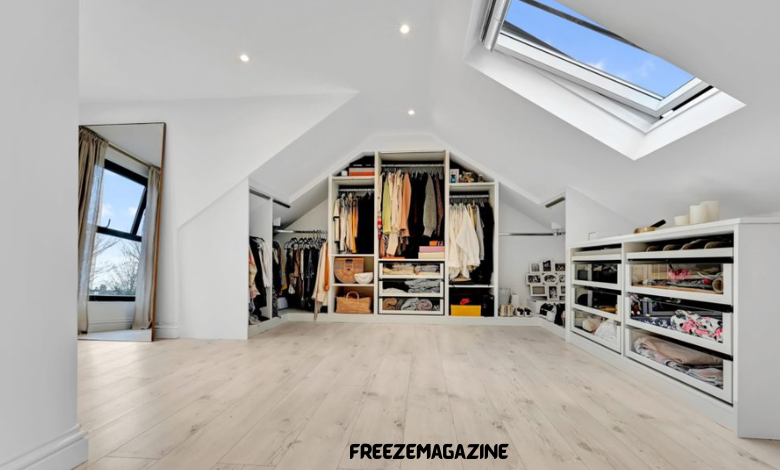
For homeowners across the capital who need more space but have no appetite for moving, a loft conversion in London is consistently one of the most practical routes available. London properties, particularly the Victorian and Edwardian terraced stock that lines the majority of residential streets across inner and outer boroughs, tend to have roof spaces that are genuinely well suited to conversion. The question most people arrive at quickly is not whether it is possible, but what it will actually cost and whether the return justifies the disruption.
What Makes London Loft Conversions Different
London’s housing stock is older, denser and more regulated than most of the country. Party wall agreements are almost always required because the vast majority of properties are terraced or semi detached. Many streets fall within conservation areas or Article 4 Direction zones where permitted development rights are restricted, meaning planning permission is needed for works that would be permitted development elsewhere in England.
Labour costs in London also sit meaningfully above the national average. Structural engineers, building control fees, scaffolding in tight urban settings and the general cost of running a construction business in the capital all contribute to a final figure that surprises people who have seen quotes elsewhere. The budget needs to be based on London realities rather than national averages pulled from general property websites.
Types of Loft Conversion Available in London
Not every loft suits every conversion type. The structure of your roof, the available head height and the planning context of your street all influence which option is viable.
A Velux or roof light conversion works within the existing roof profile without altering the roofline, which means it usually falls within permitted development. The limitation is head height since it only works where sufficient clearance already exists.
A dormer conversion extends out from the rear roofline to create a vertical walled addition. It is the most common type carried out on London terraced properties, producing a meaningful amount of usable floor space at a cost that works for most budgets.
A hip to gable conversion suits semi detached and end of terrace properties where the sloping side roof is replaced with a vertical gable wall. This significantly increases the usable floor area but almost always requires planning permission.
A mansard conversion involves rebuilding the rear roof slope at a near vertical angle. It produces the most floor space of any conversion type and is often the preferred option in conservation areas because the change visible from the street is minimal.
An L shaped dormer combines a rear dormer with a smaller addition over the back return, a layout that suits the typical Victorian terrace particularly well and produces a generous amount of space across the loft level.
Dormer Loft Conversion Cost: What Goes Into the Budget
The dormer is the most popular conversion type on London terraced properties for good reason. It creates the most usable floor space relative to cost, suits the typical Victorian rear roofline well, and when designed properly reads as a natural part of the property rather than something added on.
Understanding the full breakdown of a dormer loft conversion cost helps homeowners plan accurately and avoid the mid project surprises that cause most builds to run over.
Structural works cover steel beam installation, floor joists, staircase opening and any load bearing modifications needed to support the dormer. In London properties this often means navigating tight access, existing chimneys and shared party walls.
The dormer structure itself includes timber framing, roof covering, waterproofing membrane and the cheeks on either side. The material chosen for those cheeks, whether zinc, slate, render or timber cladding, affects both the cost and the planning response in sensitive locations.
Windows across the full width of a rear dormer represent a meaningful portion of the overall budget, particularly where thermally efficient units are required to meet current building regulations.
The staircase is one of the most commonly underbudgeted elements. Building regulations set specific requirements around pitch, rise and going, and in a typical London terrace the available footprint is tight. A bespoke solution often becomes necessary to meet those requirements without losing too much space on the floor below.
Insulation is driven by Part L building regulations, which require high performance values in new loft conversions. Achieving those values while maintaining usable internal dimensions requires careful detailing that should be resolved at drawing stage rather than improvised on site.
Is It Worth It
The case for a dormer loft conversion in London is generally strong. Adding a bedroom with en suite to a three bedroom terraced property in most London boroughs will increase its market value by more than the cost of the works in the majority of cases. In higher value areas the gap is more pronounced still.
The practical case is equally compelling. The alternative to converting is moving, and in the current London market that means stamp duty, legal fees, estate agent costs and leaving a street and community the homeowner has already chosen. A well executed loft conversion removes all of that.
The projects that disappoint are almost always the ones where the budget was unrealistic from the start, the architect was not involved or not the right one, or the contractor was chosen on price alone. Getting those three decisions right is what separates a conversion that adds real value from one that causes months of stress.
How Extension Architecture Approaches Loft Conversions
Extension Architecture has completed loft conversions across a wide range of London boroughs, property types and planning contexts. Every project starts with an honest feasibility assessment of what the existing roof space can accommodate and which conversion type best suits the property, the planning environment and the brief.
For homeowners at the start of this process, the most useful first step is a straightforward conversation about what is actually achievable in your specific property, with realistic numbers from the outset.







Post Comment