Key Causes of UK Spouse Visa Refusals and How to Address Them
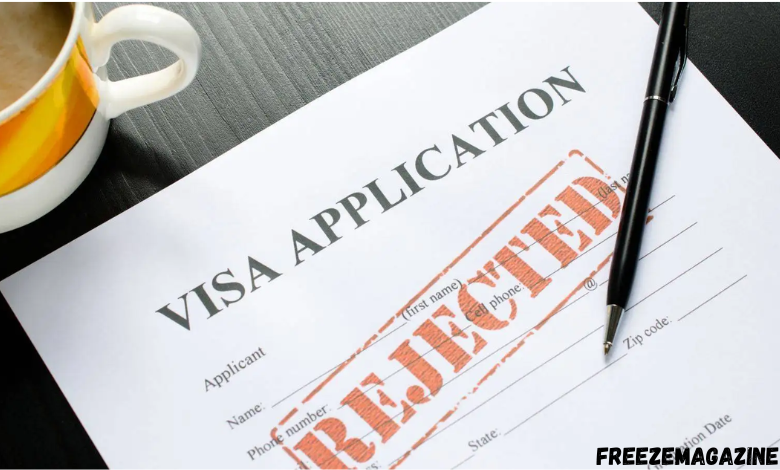
A UK Spouse visa refusal can feel like the end of your plans to reunite with your partner in the United Kingdom. However, it’s crucial to understand that it’s often not the final decision. This is because you have the legal options to challenge it through an administrative review, a formal appeal to the Tribunal, or to submit a new application with stronger evidence. Many refusals result from common, avoidable errors or misunderstandings about the strict requirements.
If you receive a decision from the UK Visas and Immigration (UKVI) (part of the Home Office) and believe it’s wrong, or simply want to understand what happened, it’s crucial to know your options. This is because understanding the reasons for the refusal can help you know what the Home Office expects from your applications. When you meet these expectations, you can significantly increase your chances of success on a reapplication or an appeal.
For a higher chance of success, applicants who have had a spouse visa refused by UKVI can speak with an immigration lawyer. The lawyer can help assess the refusal letter, understand the reasons for the refusal, and provide professional support to submit a comprehensive application in compliance with Home Office standards. This article explains the most common causes of UK Spouse visa refusals and provides actionable advice on how to address them effectively.
The Key Causes of UK Spouse Visa Refusals
The Home Office can refuse your UK Spouse visa application for various reasons, including:
- Failure to Meet the Financial Requirement.
- Insufficient Evidence of a Genuine and Subsisting Relationship.
- Not Meeting the English Language Requirement.
- Documentation Errors.
Failure to Meet the Financial Requirement
In recent years, the UK Visas and Immigration (UKVI) has given close attention to the financial eligibility of partner applications. The financial requirement rule was designed to ensure that couples can support themselves without relying on public funds. The income threshold increased in 2024 to £29,000, up from £18,600, and caseworkers now examine supporting documents very carefully to ensure the rules are met exactly as required.
A Spouse visa application may be denied even when your sponsor earns more than the required financial threshold. This is because, despite having sufficient income, your financial evidence must strictly comply with specific formatting, timing, and documentation rules.
Failure to provide the mandated, non-negotiable documents, such as certified six-month bank statements showing the required amount, results in refusal. Missing payslips, bank statements that do not show salary deposits, or employer letters without mandatory details can all undermine your application’s success.
How to Address It
Before submitting your Spouse visa application, double-check whether your figures are consistent. You should prepare your financial documents clearly. Your financial evidence must cover the exact specified period, and the figures should be easy to trace. Additionally, you must explain areas where anything might appear unusual. Generally, clarity is crucial because a caseworker should not have to guess how you meet the requirement.
Insufficient Evidence of a Genuine and Subsisting Relationship
The UKVI needs to be convinced that your relationship is real, not one of convenience. You must prove that you are in a genuine and subsisting relationship with your partner (spouse or civil partner). If you’re a spouse or civil partner, this means that your marriage or partnership is legally recognised and that you intend to live together permanently. However, if you are an unmarried partner, you generally need to demonstrate you have been living together in a relationship akin to marriage for at least two years.
To prove that you are married to or in a civil partnership with your spouse or partner does not mean flooding your application with hundreds of chat screenshots. Rather, caseworkers are looking for consistent, credible evidence that you and your partner share a life. Problems usually arise when couples provide little context. A few photos and a marriage certificate rarely tell the full story. Long-distance relationships, cultural differences, or limited opportunities to live together can all raise questions if you don’t properly explain your relationship in your application.
How to Address It
Your documents should tell the story of your relationship. It must answer questions, such as:
- When did you meet?
- How did the relationship develop?
- When did you marry or move in together with your spouse or civil partner?
Supporting documents, such as communication history, travel records, joint responsibilities, or statements from individuals who know you as a couple, can help establish your relationship with your spouse. If there are gaps in your evidence, explain them openly, as silence can sometimes look like avoidance, even when the reason is completely innocent.
Not Meeting the English Language Requirement
To qualify for an initial UK Spouse visa, you must prove English proficiency at least at the Common European Framework of Reference for Languages (CEFR) level A1 or higher in listening and speaking. To extend your stay, you must reach level A2 or higher.
You may qualify for an extension if you’re of a certain age, have a mental or physical condition, are from an English-speaking country, or have a degree taught in English. Your Spouse visa application may be refused if your test provider is not approved by the Secure English Language Test (SELT) or if your certificate has expired.
How to Address It
Before booking your English proficiency test, ensure that the provider and test are on the UKVI’s approved SELT list. Book your test to ensure you receive it in time and that it remains valid on the day you submit your application. If you’re relying on your degree taught in English, verify its equivalency to a UK qualification through ECCTIS (formerly UK NARIC).
Documentation Errors
The UKVI usually refuses Spouse visas due to documentation errors or omissions. A missing translation or marriage certificate/civil partnership certificate, inconsistent dates, and incorrect personal details across your application form can all damage the credibility of your submission.
Caseworkers assess large volumes of applications. If your information conflicts or appears incomplete, they may conclude that you have not met the requirement and deny your application.
How to Address It
You may utilise a UK Spouse visa application checklist to ensure you don’t omit a crucial document in your application. Double-check your forms and documents for discrepancies and typographical errors. Ensure that a professional translator translates all your non-English documents. Also include a signed certification from the translation company confirming its accuracy.
Conclusion
UK Spouse visa applications demand dedication and rapt attention to detail. You must submit your application in the required format and to the required standard. While a Spouse visa refusal can be challenging, clearly understanding the rules and applying a methodological approach to addressing the specific concerns raised can help you successfully overturn the decision or secure a visa on a subsequent application. You shouldn’t treat the refusal letter as a closed door. Rather, it should guide you towards what you need to address. For a higher chance of success in your application, you can speak with a professional immigration lawyer to assess your situation and help you submit a comprehensive UK Spouse visa application.






Post Comment