How to Take Better Travel Photos?

Travelling creates unforgettable moments, but many people feel disappointed when their photos do not reflect what they experienced. Learning how to take better photos while travelling does not require expensive gear or professional training. With the right approach, anyone can take a good picture that captures atmosphere, emotion and place. This guide explains how to improve your travel photography step by step and start taking good photos you are proud to share.
Understand What Makes a Travel Photo Memorable
Before focusing on technical tips, it helps to understand what makes travel photography special. A strong travel photo tells a story. It shows where you are, what it feels like to be there and why the moment matters.
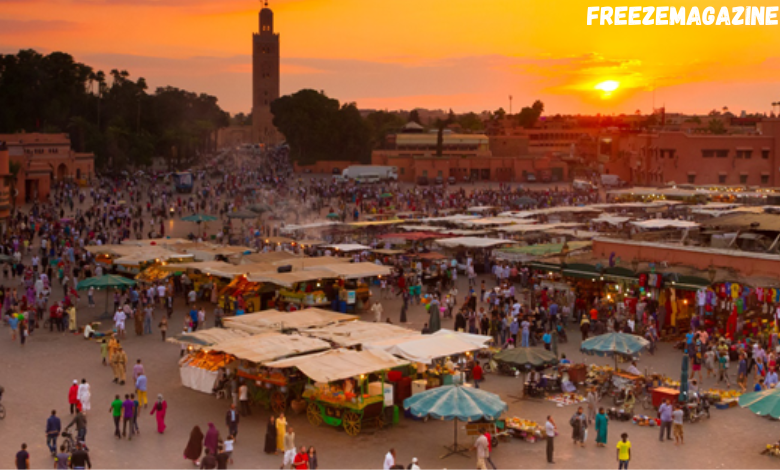
To take better photos, think beyond landmarks. A street vendor preparing food, children playing in a square or light hitting old buildings at sunset often create more powerful images than famous monuments alone. When you aim to take a good picture, look for moments that feel authentic rather than staged.
Use Natural Light to Your Advantage
Light is the most important element in photography. If you want to take better photos, pay attention to where the light comes from and how it affects your subject.
Early morning and late afternoon provide softer light that adds depth and warmth. Midday sunlight is harsh and creates strong shadows, which makes taking good photos more difficult. When shooting during the day, try to find shade or position your subject so the light falls from the side rather than directly overhead.
Indoors or in low light, avoid using flash when possible. Flash often flattens the scene and removes atmosphere. Instead, move closer to a window or raise your phone slightly to stabilise it for clearer results.
Compose Your Shots with Intention
Good composition can turn an ordinary scene into a striking image. One simple technique is the rule of thirds. Imagine your frame divided into nine equal parts and place your subject slightly off centre. This helps you take a good picture that feels balanced and natural.
Leading lines also improve composition. Roads, bridges, railings or pathways guide the viewer’s eye through the image and add depth. Framing your subject with doors, windows or arches creates context and draws attention to what matters most.
When taking good photos, remember to check the background. Busy or cluttered surroundings can distract from your subject. Take a step left or right, lower your angle or zoom slightly to clean up the frame.
Capture People and Culture Respectfully
People bring life to travel photos. Portraits and candid moments often communicate the spirit of a place better than landscapes alone. To take better photos of people, focus on expressions, gestures and interactions.
Always be respectful. In some cultures, asking for permission before taking a photo is essential. When photographing street scenes, try to blend in and observe patiently instead of rushing the shot.
Candid photos often feel more natural than posed ones. Stand back, watch the scene unfold and wait for the right moment. This approach improves your chances of taking good photos that feel genuine and timeless.
Make the Most of Your Smartphone Camera
Modern smartphones are powerful tools for travel photography. To take better photos with your phone, clean the lens regularly and avoid digital zoom, which reduces quality.
Use focus and exposure controls by tapping on the screen. Adjusting brightness manually helps you take a good picture in challenging lighting conditions. Shooting in burst mode is useful for capturing movement, especially in busy streets or markets.
Editing is part of the process, but keep it subtle. Adjust exposure, contrast and colour slightly rather than applying heavy filters. If a photo looks soft, you can unblur a photo using a simple online editing tool to restore clarity without overprocessing the image.
Tell a Story with a Series of Photos
A single image can be powerful, but a series of photos tells a deeper story. When travelling, think like a storyteller. Capture wide shots to show location, medium shots to show action and close-ups to highlight details.
For example, photographing a café might include an exterior shot, the barista making coffee and a close-up of the cup on the table. This approach helps you take better photos that work together and create a narrative.
When sharing your images online or in an album, sequence them thoughtfully. A clear beginning, middle and end makes your story more engaging.
Improve Your Timing and Patience
Great photos often depend on timing. The difference between an average image and a great one can be a single second. Taking good photos means waiting for the right light, expression or movement.
Be patient and observe your surroundings. Watch how people move through a space or how light changes over time. Returning to the same location at different times of day can help you take a good picture that others miss.
Do not rush through scenes. Slowing down improves awareness and leads to stronger compositions.
Learn from Your Photos and Keep Practising
Improving photography is a continuous process. Review your photos after each trip and identify what worked and what did not. Look at composition, light and timing, then apply those lessons next time.
Study photos taken by photographers you admire and analyse why they work. Practise regularly, even when you are not travelling. Taking good photos at home sharpens your skills and prepares you for future trips.
Over time, you will naturally take better photos without overthinking every setting or angle.
Final Thoughts
Travel photography is about capturing how a place feels, not just how it looks. You do not need professional equipment to take a good picture. With attention to light, composition and storytelling, anyone can improve. By practising regularly and staying curious, taking good photos becomes second nature. Each journey is an opportunity to see differently and create images that preserve memories long after the trip ends.






Post Comment