How Regular HVAC Maintenance Can Save You Money and Extend System Life
For homeowners, a properly functioning HVAC system is more than a comfort feature it’s a critical investment in the efficiency, safety, and value of a home. Heating, ventilation, and air conditioning systems are complex assemblies of motors, fans, compressors, coils, ductwork, and electronic components that work together to regulate indoor temperature, humidity, and air quality. Without regular maintenance, these systems are susceptible to wear, reduced efficiency, and unexpected breakdowns, which can result in expensive repairs or premature replacement.
Proactive HVAC maintenance is essential to ensure consistent performance, reduce energy consumption, and extend system lifespan. This comprehensive guide explores how routine servicing saves money, protects your investment, and prevents costly emergencies, while also highlighting practical maintenance strategies, early warning signs of system issues, and the advantages of working with a professional service provider.
Why HVAC Systems Require Regular Maintenance
An HVAC system’s components are interdependent, and even minor malfunctions can cascade into significant performance issues. Dust and debris can accumulate in coils, air filters, and ductwork, obstructing airflow and forcing motors and compressors to work harder. Over time, this strain can increase energy usage, elevate operating costs, and accelerate component wear. Refrigerant levels may decline, electrical connections can loosen, and moving parts may become misaligned, all of which reduce efficiency and increase the risk of system failure. Regular maintenance provides the opportunity for technicians to inspect, clean, and adjust critical components, ensuring the system operates safely and efficiently. Preventative care also includes verifying thermostat calibration, airflow distribution, and refrigerant charge, helping homeowners avoid sudden failures during extreme weather conditions.
How Regular Maintenance Saves Money
One of the most immediate financial benefits of routine HVAC maintenance is lower energy bills. A well-maintained system consumes less electricity or gas to maintain desired indoor temperatures. Studies show that systems operating without maintenance can lose up to 30% of their efficiency, resulting in higher utility costs. Cleaning coils, replacing air filters, lubricating motors, and ensuring proper refrigerant levels help restore peak efficiency, translating into substantial savings over time.
Maintenance also reduces the likelihood of costly emergency repairs. Small issues such as refrigerant leaks, clogged condensate lines, or failing belts are inexpensive to correct when caught early. Left untreated, these problems can escalate into major failures, such as compressor or heat exchanger breakdowns, which may cost thousands of dollars to repair. Furthermore, consistent maintenance ensures reliable system operation during peak usage periods, avoiding the need for temporary cooling or heating alternatives that add extra expense.
Another financial advantage is extending the system’s lifespan. HVAC units are generally designed to last between 10 and 20 years, depending on usage, maintenance, and environmental factors. Regular service reduces mechanical stress, prevents corrosion, and maintains efficiency, often prolonging a system’s useful life by several years. By delaying replacement and minimizing wear, homeowners avoid significant capital expenditures and maximize the return on their HVAC investment.
Key HVAC Maintenance Tasks That Reduce Costs
Professional HVAC maintenance involves several critical tasks that optimize performance and minimize repair costs. Technicians inspect and clean evaporator and condenser coils to ensure efficient heat transfer and airflow. They replace or clean air filters to prevent blockages that can strain motors and reduce system efficiency. Lubrication of motors and moving components decreases friction and prevents premature wear, while checking refrigerant levels ensures proper cooling performance. Ductwork is examined for leaks, insulation gaps, or obstructions that compromise airflow, and electrical connections are tested to prevent shorts or system failures. Technicians also calibrate thermostats and measure airflow to ensure the system operates according to manufacturer specifications.
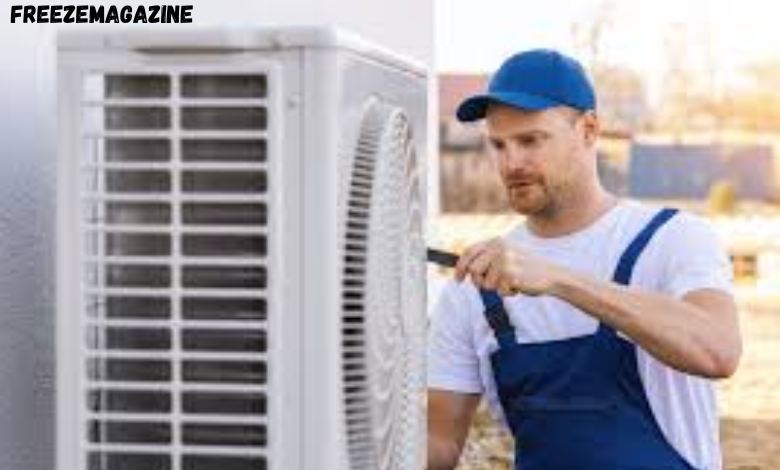
Homeowners can support these efforts with simple tasks, such as regularly changing filters, keeping outdoor units free of debris, and monitoring system performance for unusual sounds or inconsistent temperatures. While these steps cannot replace professional maintenance, they help preserve efficiency and reduce the likelihood of costly issues between service visits.
Recognizing Signs Your HVAC System Needs Attention
Even with regular maintenance, homeowners should remain vigilant for early warning signs of system problems. Unusual noises such as rattling, squealing, or grinding may indicate worn or misaligned components. Weak airflow or uneven temperatures throughout the home often point to duct issues, clogged filters, or failing blower motors. An unexpected rise in energy bills despite no change in household usage can signal reduced system efficiency due to dirty or failing components. Water leaks near indoor units, excessive condensation, or frequent cycling on and off are additional indicators that maintenance or repair is necessary. Addressing these warning signs promptly helps prevent more severe issues and ensures year-round comfort.
The Financial Impact of Skipping Maintenance
Neglecting regular HVAC maintenance can result in significant financial consequences for homeowners. Reduced efficiency increases energy consumption, while minor problems that go unaddressed may escalate into major, expensive repairs. For example, a dirty evaporator coil can cause the compressor to overheat, leading to a breakdown that may cost thousands to repair. Improperly maintained systems may also create uneven heating or cooling, prompting homeowners to invest in supplemental equipment or portable solutions, further increasing costs. Additionally, neglect often results in premature system failure, forcing replacement sooner than expected. Investing in routine maintenance is far more cost-effective than paying for emergency repairs or early replacement.
About Penguin Air, Plumbing & Electrical
When it comes to maintaining and repairing HVAC systems, selecting a reliable service provider is crucial. Penguin Air, Plumbing & Electrical With a strong emphasis on professionalism, dependability, and customer satisfaction, the company ensures every HVAC system runs efficiently, delivering both comfort and lasting value.
Their all-inclusive service approach guarantees efficient system performance while prioritizing safety, minimizing long-term expenses, and improving overall indoor comfort.
Frequently Asked Questions About HVAC Maintenance
How often should my HVAC system undergo maintenance? It’s recommended to have your HVAC system professionally serviced twice a year—once during the spring for cooling and again in the fall for heating. This regular upkeep ensures optimal performance, prolongs the unit’s lifespan, and helps catch small issues before they escalate into expensive repairs.
Can maintenance help lower my energy costs? Absolutely. Regular upkeep such as cleaning, lubricating, optimizing airflow, and checking refrigerants can help your system run more efficiently, potentially lowering energy consumption by as much as 20–30%.
What are the warning signs that my HVAC system needs attention? Warning signs include strange sounds, uneven temperatures, poor airflow, higher-than-usual utility bills, water leakage, and the system turning on and off too frequently. Addressing these problems early can prevent bigger issues and keep repair costs down.
Does regular maintenance really help my HVAC system last longer? Yes, it does. Ongoing professional care helps reduce strain on key components, prevent unexpected breakdowns, and maintain overall system efficiency. A well-maintained HVAC system often outlasts one that is neglected, providing several more years of service.
What are the consequences of neglecting HVAC maintenance for an extended period? Failing to maintain your HVAC system leads to decreased performance, higher energy costs, a greater chance of failure, and a shortened lifespan. It can also result in expensive emergency repairs or the need for an early replacement of the system.
Maximizing Comfort and Savings Through Regular HVAC Maintenance
Regular HVAC maintenance is not just a precautionary measure—it’s a smart investment in saving money, boosting energy efficiency, and prolonging the lifespan of your heating and cooling system. Routine servicing helps identify and fix minor issues before they turn into costly problems, optimizes airflow and temperature control, and ensures all components function as intended and lasting protection for their systems. By partnering with experienced professionals like Penguin Air, Plumbing & Electrical, Regular HVAC upkeep helps keep your home safe, energy-efficient, and comfortable throughout the year, minimizing surprise costs and maximizing system durability.
Business Name: Penguin Air, Plumbing & Electrical
Address: 3710 E University Dr # 1, Phoenix, AZ 85034
Phone Number: (480) 525-5400


Post Comment