How Microneedling Enhances Skin After Cosmetic Mole Removal
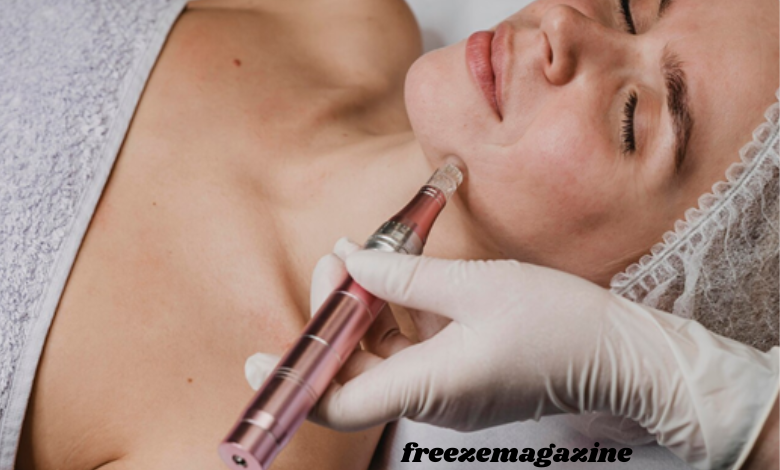
Cosmetic mole removal is a common procedure for individuals seeking clearer, more even-looking skin. While cosmetic mole removal in Cambridge is generally safe and effective, some patients may notice mild textural changes, pigmentation differences, or subtle scarring as the skin heals. Microneedling is widely used to improve skin texture and tone, and when timed correctly, it can enhance skin quality following mole removal by supporting natural regeneration processes.
Understanding how microneedling works after cosmetic mole removal helps patients make informed decisions about post-procedure skin care and long-term skin appearance.
Understanding Cosmetic Mole Removal
Why Cosmetic Mole Removal Is Performed
Cosmetic mole removal is typically chosen for aesthetic reasons rather than medical necessity. Patients may request removal due to the mole’s size, colour, location, or impact on self-confidence. Common techniques include shave excision, surgical excision, or laser-based methods, depending on the mole type and skin characteristics.
Once the mole is removed, the skin begins a natural healing process. While many patients heal with minimal visible changes, some may experience uneven texture, slight indentation, or changes in pigmentation at the treatment site.
The Skin Healing Process After Mole Removal
After cosmetic mole removal, the body initiates repair by producing new skin cells and collagen. During the early stages, redness and sensitivity are common. Over time, the skin surface strengthens, but collagen production may not always be evenly distributed. This can sometimes result in subtle textural irregularities that become more noticeable as healing progresses.
What Is Microneedling
How Microneedling Works
Microneedling is a cosmetic procedure that employs tiny needles to stimulate the skin by creating micro-injuries, promoting rejuvenation. These micro-channels stimulate the body’s natural wound-healing response, encouraging collagen and elastin production.
When performed correctly, microneedling supports smoother skin texture, improved tone, and enhanced skin resilience. This makes microneedling in Cambridge a valuable option for patients seeking to improve skin quality after cosmetic procedures.
Skin Renewal and Collagen Stimulation
Collagen plays a key role in skin strength and elasticity. After cosmetic mole removal, collagen production may be uneven in the treated area. Microneedling helps stimulate balanced collagen formation, supporting smoother integration of the treated area with surrounding skin.
How Microneedling Enhances Skin After Cosmetic Mole Removal
Improving Skin Texture
One of the main benefits of microneedling after cosmetic mole removal is texture refinement. If the skin surface feels slightly uneven or firm after healing, microneedling can help soften and smooth the area by encouraging fresh collagen growth.
This process supports gradual improvement, allowing the treated area to blend more naturally with the surrounding skin.
Supporting Scar Appearance Improvement
While cosmetic mole removal is designed to minimise scarring, any procedure that affects the skin can leave subtle marks. Microneedling does not remove scars but can improve their appearance by breaking down rigid scar tissue and promoting more flexible collagen fibres.
This is particularly beneficial for shallow or flat scars that may develop after mole removal.
Enhancing Skin Tone and Colour Consistency
Changes in pigmentation can sometimes occur after cosmetic mole removal. Microneedling helps improve skin tone by supporting healthy cell turnover and improving blood flow to the area. Over time, this can help reduce uneven colour and promote a more consistent appearance.
Strengthening Skin Quality
Microneedling enhances overall skin quality by improving elasticity and resilience. Following cosmetic mole removal in Cambridge, this treatment helps promote long-term skin vitality and minimizes the appearance of small blemishes.
Timing Microneedling After Cosmetic Mole Removal
Allowing Proper Healing First
Microneedling should only be performed once the skin has fully healed from mole removal. This typically means the area is free from scabbing, open wounds, or active redness. A professional assessment ensures the skin is ready for treatment and reduces the risk of irritation or delayed healing.
Gradual and Controlled Treatment Approach
Microneedling after cosmetic mole removal is usually introduced gradually. Treatment depth and frequency are adjusted based on skin condition, treatment area, and individual response. This cautious approach ensures safe and effective results.
The Role of Professional Assessment
Individual Skin Evaluation
Microneedling can affect different skin types in varying ways. This ensures microneedling is appropriate and tailored to the individual.
Customised Treatment Planning
A personalised plan may involve multiple microneedling sessions spaced several weeks apart. Treatment settings are adjusted to focus on the area where the mole was removed while maintaining overall skin balance.
What to Expect During Microneedling Treatment
The Treatment Experience
Microneedling sessions are typically well tolerated. A local anesthetic can be applied to enhance comfort during the procedure. The procedure itself is relatively quick, and patients often experience mild redness afterwards, similar to light sun exposure.
Post-Treatment Skin Response
After microneedling, the skin may feel warm or slightly tight for a short period. These effects usually settle within a few days as the skin begins its renewal process. Following aftercare guidance is important to protect the treated area.
Aftercare and Skin Support
Post-Treatment Care
After microneedling, patients are advised to keep the skin clean, hydrated, and protected from sun exposure. Gentle skincare products help support healing and reduce irritation.
Supporting Results Over Time
Consistent skincare routines, sun protection, and follow-up treatments contribute to longer-lasting improvements. Microneedling results develop gradually as collagen production increases over several weeks.
Who May Benefit from Microneedling After Mole Removal
Suitable Candidates
Microneedling can be suitable for individuals who have fully healed after cosmetic mole removal and are concerned about texture, mild scarring, or uneven tone. It is particularly beneficial for those seeking non-surgical skin refinement options.
When Microneedling May Not Be Suitable
Microneedling may not be recommended for individuals with active skin infections, certain inflammatory skin conditions, or incomplete healing from mole removal. A professional assessment ensures safety and suitability.
Long-Term Skin Improvement Benefits
Natural Skin Regeneration
Microneedling works with the body’s natural healing processes. Rather than masking imperfections, it encourages the skin to repair and strengthen itself from within.
Supporting Confidence and Skin Appearance
Improved skin texture and tone can enhance confidence, particularly when cosmetic mole removal was chosen for aesthetic reasons. Microneedling supports a smoother, more even appearance that aligns with patient expectations.
Final Thoughts
Combining cosmetic mole removal in Cambridge with microneedling in Cambridge, when performed at the appropriate time, can support improved skin texture, tone, and overall quality. Microneedling enhances the skin’s natural healing response, encouraging balanced collagen production and smoother integration of the treated area with surrounding skin. With proper professional guidance, realistic expectations, and consistent aftercare, microneedling can be a valuable option for individuals seeking refined, natural-looking skin following cosmetic mole removal.





Post Comment