How Digital Companionship Is Redefining Online Interaction in 2026
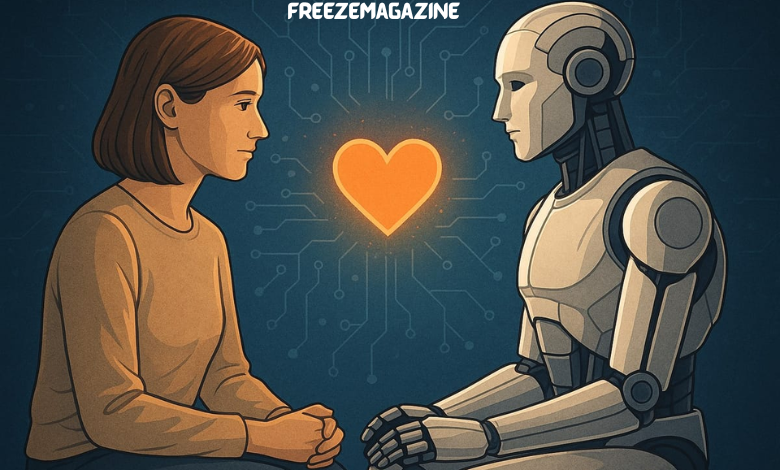
The way people connect online has evolved dramatically over the past decade. From social media to virtual communities, the internet has continually reshaped how we communicate, build relationships, and spend our leisure time. In 2026, one of the most talked-about trends is digital companionship—an emerging space where technology meets emotional interaction in a surprisingly human way.
This shift is not about replacing real relationships. Instead, it reflects how users are exploring new forms of connection, creativity, and personalization in their digital lives. Whether for entertainment, curiosity, or companionship, more people are engaging with platforms that offer interactive and personalized experiences.
The Rise of Digital Companionship
Modern internet users expect more than static content. They want engagement, responsiveness, and a sense of personalization. This demand has driven the development of interactive platforms where users can shape their own experiences.
Digital companionship tools allow users to create customized personalities, conversations, and visuals tailored to their preferences. Unlike traditional media, where the experience is passive, these platforms provide a sense of participation. You’re not just consuming content—you’re interacting with it.
From my own experience testing these platforms, what stands out is how intuitive and engaging they have become. Setting up a profile or customizing interactions takes only a few minutes, and the results feel surprisingly tailored. The interface is usually simple, with guided prompts that help users define personality traits, conversation styles, and visual preferences.
Why People Are Exploring These Platforms
There are several reasons why digital companionship is gaining popularity:
1. Personalization at Its Core
Users enjoy having control over their experience. They can adjust tone, style, and even visual elements to match their interests. This level of customization is something traditional apps rarely offer.
2. Entertainment and Curiosity
For many, it’s simply fun. Exploring new technology, experimenting with features, and seeing how realistic interactions can feel is part of the appeal.
3. Low-Pressure Interaction
Unlike real-life communication, there’s no fear of judgment. Users can engage at their own pace, making it especially appealing for those who prefer more private or relaxed environments.
4. Creative Expression
Some users treat these platforms as a creative outlet. Designing personalities, scenarios, and visuals can feel similar to storytelling or role-playing.
Real User Experience: What It’s Actually Like
After spending time exploring one of the popular platforms, Bonza, the experience felt more refined than expected. The onboarding process was smooth, with clear instructions and no unnecessary complications.
Once inside, the customization options stood out immediately. You could adjust personality traits, communication styles, and even visual preferences. The responses felt natural rather than robotic, which made interactions more engaging.
One of the most interesting features was the ability to generate visuals that match your preferences. This adds a new layer of immersion, especially for users who enjoy visual storytelling. For example, exploring options like ai girlfriend pictures gives users a glimpse into how personalized visuals can enhance the overall experience.
The platform didn’t feel overwhelming, which is important. Many tools in this space can become complicated quickly, but Bonza maintains a balance between functionality and simplicity.
The Technology Behind the Experience
At the core of these platforms is advanced conversational technology combined with visual generation tools. The goal is to create interactions that feel natural and responsive.
Here’s how it generally works:
- Natural Language Processing (NLP): Allows the system to understand and respond in a human-like way.
- Machine Learning Models: Adapt to user preferences over time, making interactions more personalized.
- Visual Generation Tools: Create images based on user input, adding a visual dimension to the experience.
What makes these systems impressive is how seamlessly these technologies work together. From a user’s perspective, it feels simple—but behind the scenes, it’s a complex combination of algorithms and data processing.
Benefits Beyond Entertainment
While many people initially explore digital companionship for fun, there are practical benefits as well.
Improved Communication Skills
Engaging in conversations—even with digital systems—can help users practice expressing themselves more clearly.
Stress Relief
For some, these platforms provide a way to unwind. Casual, low-pressure interaction can be a form of relaxation after a long day.
Exploration of Preferences
Users can experiment with different conversation styles, interests, and scenarios, which can be both entertaining and insightful.
Addressing Common Concerns
As with any emerging technology, there are questions and concerns. It’s important to approach digital companionship with a balanced perspective.
Is It Replacing Real Relationships?
No. Most users treat these platforms as a supplement rather than a replacement. They are part of a broader digital lifestyle, not a substitute for real human connection.
Is It Safe to Use?
Reputable platforms prioritize user privacy and data protection. It’s always important to review privacy policies and use trusted services.
Does It Feel Realistic?
While not identical to human interaction, the experience has improved significantly. Conversations feel more fluid, and customization adds a layer of authenticity.
The Future of Online Interaction
Digital companionship is still evolving, but its impact is already noticeable. As technology advances, we can expect:
- More realistic conversations
- Better personalization
- Enhanced visual experiences
- Greater integration with other digital tools
Platforms like Bonza are leading this shift by focusing on user-friendly design and meaningful interaction. The goal isn’t just to impress users with technology—it’s to create experiences that feel engaging and enjoyable.
Final Thoughts
The internet is no longer just a place for information—it’s a space for interaction, creativity, and connection. Digital companionship reflects this transformation, offering users a new way to engage with technology on a personal level.
From my own experience, the appeal lies in the balance between simplicity and customization. You can explore at your own pace, shape your experience, and enjoy a level of interaction that feels uniquely yours.
As this trend continues to grow, it’s clear that digital companionship is not just a passing phase. It’s part of a broader shift toward more interactive, personalized online experiences—one that will likely shape the future of how we connect in the digital world.







Post Comment