How Austria Makes Mountain Walking Straightforward
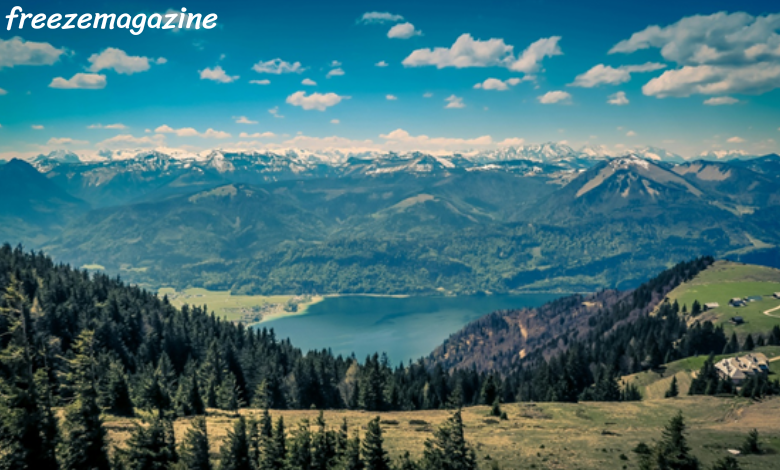
Austria is known for tidy villages, clean trails, and a calm atmosphere, but what often stands out most for hikers is how uncomplicated the entire experience feels.
While the Alps can look intimidating in photos, Austria’s approach to mountain walking is very practical. The routes are well-marked, the terrain is predictable, and the infrastructure is designed to make each day easy to manage. If you want a hiking trip where you spend more time actually walking and less time worrying about logistics, Austria is one of the most reliable choices. Here’s a clear look at what makes mountain walking here so straightforward.
A Clear and Consistent Trail System
Austria’s trail network is structured and well-marked, which removes most of the confusion that hikers encounter in other countries. You’ll see colored blazes and detailed signs at junctions showing route numbers, estimated times, and destination names. These signs appear regularly, and the time estimates are realistic for the average hiker.
Because the trails connect logically, it’s easy to understand where you’re going even if you’re unfamiliar with the area. Routes rarely disappear or become unclear. If a trail changes direction or splits, you’ll see a sign or marker within a short distance. This consistency helps you relax and focus on the walk rather than constantly checking a map.
Predictable Terrain That Doesn’t Catch You Off Guard
The typical Austrian hiking route follows a simple pattern: a gradual climb, a steady mid-section, and a comfortable descent. The terrain doesn’t shift dramatically without warning. You might move from forest paths to open meadows or from gravel surfaces to grassy slopes, but the changes are manageable.
Even in higher alpine areas like the Dachstein, Stubai, or Hohe Tauern, the standard walking trails rarely involve technical sections. More challenging via ferrata routes exist, but they’re clearly marked and easy to avoid unless you intentionally choose them. This setup lets hikers of most abilities enjoy the mountains without worrying about unexpected difficulty.
Mountain Huts That Simplify Your Day
Austria’s Almhütten and Berghütten play a big role in making mountain walking easy. These huts are spaced at reasonable intervals and provide food, drinks, water, and shelter. Even if you’re only out for the day, having a hut nearby gives you flexibility. You can shorten or lengthen your route, add a break, or shelter from sudden weather changes without needing extra planning.
Meals are simple — soups, stews, dumplings, bread, pastries — but reliably good and filling. The huts function as landmarks that break your route into manageable sections, which makes longer days feel more digestible.
Villages and Transport That Remove Complications
Austria’s hiking areas are well-serviced by public transport. Many trailheads connect directly to buses, and some routes start or end near cable cars. This makes point-to-point walking much easier than in more remote regions.
Charming Villages for Hikers: Alpbach, Schladming, Filzmoos, Lech, and Gosau Offer Complete Amenities for Adventurers. Because essential services are always close, you don’t have to overpack or worry about running out of supplies. You can plan day by day rather than committing to a strict multi-day logistics schedule.
Routes Suitable for All Comfort Levels
Austria is particularly good for groups with mixed fitness or experience levels. You can choose:
- Valley paths with minimal climbing
- Moderate forest routes with clear footing
- Longer panoramic trails with steady elevation
- Higher summits for those who want more difficulty
This variety, combined with easy navigation, means everyone can enjoy the day without splitting up or compromising too much. It also helps new hikers build confidence gradually.
Weather That Requires Awareness but Not Anxiety
Mountain weather in Austria can change quickly, but the patterns are usually predictable enough for simple planning. Mornings tend to be clearer, afternoons sometimes bring clouds, and thunderstorms can develop in summer. However, because the terrain is accessible and villages are close, bad weather rarely traps hikers or forces extreme decisions.
Starting early, checking the forecast, and avoiding exposed ridges during storms is usually enough. Lower-level trails remain safe even when higher areas are unstable, giving you plenty of backup options.
Maps and Apps That Match the Trail System Well
Navigation apps like Komoot, Outdooractive, and AllTrails work well across Austria, and the local maps sold in tourist offices are accurate and easy to read. The trail numbers on the physical signs match what appears in apps and official hiking maps, making it simple to confirm your route.
Because the physical and digital systems align so well, you can rely on both without stress. Many hikers only check their map once or twice a day because the signage is already so clear.
A Culture That Encourages a Relaxed Approach
Austrian mountain culture is not competitive or intense. People of all ages use the trails — families, locals walking their dogs, older hikers who know the mountains well, and visitors exploring step by step. The shared understanding is that hiking is something you do at your own pace.
This atmosphere removes the pressure some hikers feel in more dramatic alpine regions. You’re not racing to summits or competing for the highest viewpoint. You simply follow the trail, take breaks when you want, and enjoy the day as it comes.
Easy Planning for Structured or Independent Trips
Whether you prefer planning everything yourself or joining a guided group, Austria supports both styles. Itineraries for hiking tours in Austria are usually straightforward because the infrastructure is reliable and the distances between huts and villages make logical sense. Independent hikers also find it easy to plan because there are so many short, medium, and long routes available in every region.
The country doesn’t force you into a rigid plan. You can make decisions daily, adjust for weather, or change direction without causing logistical problems.
Why Austria Makes Mountain Walking So Simple
Austria isn’t trying to impress hikers with extremes. Instead, it delivers clear signs, steady terrain, accessible huts, friendly villages, and a culture that values spending time outdoors without overcomplication. Everything is designed to help you move through the landscape easily and safely.
When you put all these elements together — predictable trails, supportive infrastructure, flexible routes, and calm mountain culture — you get one of the most straightforward hiking experiences in Europe. Austria lets you focus on the walk itself, not the logistics, making it a reliable and enjoyable choice for anyone who wants mountain days that feel steady, manageable, and stress-free.








Post Comment