How AI Talking Photos Are Quietly Turning Still Images into Living Emotional Experiences
There was a time when a photograph was the final form of a memory. It captured a moment and preserved it exactly as it happened, without movement, without sound, and without any sense of continuation. A smile stayed frozen forever. A tear remained silent. A memory could be seen, but it could never respond back.
For decades, this silence defined photography. No matter how advanced cameras became, images were still trapped inside stillness. They could remind us of people, but they could not bring them back into existence. They could show emotion, but they could never express it.
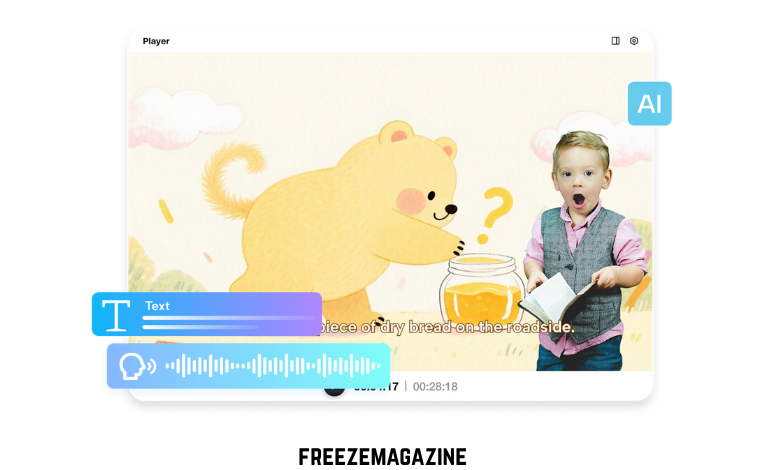
Now something subtle is changing that foundation. AI talking photos are introducing a completely new layer to visual memory. An image is no longer just something you look at. It becomes something that can speak, react, and create a sense of living connection. What was once silent is now slowly becoming expressive, and that shift feels deeply personal rather than purely technological.
When Memories Start to Speak Instead of Stay Silent
Human memory has always been emotional, not just visual. We do not remember faces as pixels or shapes. We remember feelings attached to those faces. A photograph was always powerful because it could trigger that emotional recall, even without movement or sound.
Now when a still image begins to speak, the relationship between viewer and memory changes completely. It no longer feels like observation. It starts feeling like interaction. The image is no longer a reminder. It feels like a presence.
An AI talking photo does not replace reality. Instead, it extends memory beyond its original boundaries. It allows a face to carry a voice that was once missing. It allows a moment to express what was never spoken at the time it was captured.
This is not just digital enhancement. It is emotional reconstruction.
The Subtle Psychology That Makes Talking Photos Feel Real
The impact of talking photos is not only visual. It is deeply psychological. The human brain is naturally wired to respond to faces and voices together. When these two elements appear in sync, attention becomes stronger and emotional processing becomes deeper.
Even when people are aware that the animation is artificial, the emotional response still activates. The mind does not reject the experience. Instead, it adapts to it. It fills in emotional gaps and creates continuity where none physically exists.
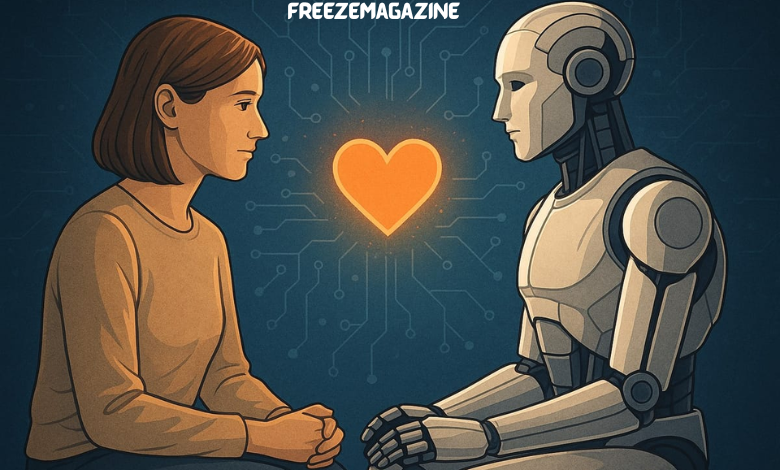
This is why AI talking photos feel less like digital effects and more like emotional simulations. They do not force belief. They gently create familiarity.
The result is a strange but powerful balance. The viewer knows it is artificial, yet still feels connected to it.
When Technology Becomes Emotionally Accessible to Everyone
Most technologies begin as tools for experts before becoming tools for everyone. The same pattern is now visible with talking photo AI free platforms. What once required technical knowledge or paid software is now available to anyone with basic access.
This shift has changed how people interact with memories and content creation. Students use it to bring life to presentations. Creators use it to build unique digital identities. Families use it to revive old photographs that once existed only in silence.
A simple image that once stayed locked in an album can now become something expressive. A forgotten face can now speak again. A silent memory can now carry a voice.
Accessibility did more than simplify the process. It changed the emotional relationship people have with their own memories.
A New Form of Digital Identity Without Constant Exposure
Modern digital culture often demands visibility. People are expected to appear, record, speak, and constantly show themselves. But not everyone is comfortable with that level of exposure.
AI talking photos introduce an alternative form of presence. Instead of appearing live or recording continuously, a person can create a digital version of communication that speaks on their behalf. The image becomes a controlled representation of identity.
This creates a new kind of digital expression where presence is intentional rather than constant. A message can be delivered without pressure. A voice can be shared without live performance. An identity can exist without overexposure.
For individuals, this brings comfort. For professionals, it brings consistency. For brands, it brings structure and trust.
Storytelling Evolves Into a More Minimal and Focused Form
Storytelling has always evolved with technology. From oral traditions to books, from cinema to social media, each era has changed how stories are delivered and consumed. AI talking photos represent another step in that evolution, but in a quieter and more minimal direction.
Instead of long videos or complex production, a single image can now carry meaning. The focus shifts away from editing and production value and moves toward clarity of message. The story becomes simpler, but also more direct.
This simplicity is powerful in a world overloaded with content. When everything competes for attention, clarity becomes more valuable than complexity.
The Emotional Depth of Voice Inside a Frozen Frame
Voice is one of the strongest emotional carriers in human communication. It holds tone, rhythm, hesitation, warmth, and intent. Unlike text, it does not just deliver information. It delivers feeling.
When that voice is attached to a still image, something unusual happens. The photograph stops being static in perception. It begins to feel like it has depth. A face that once existed only in memory now carries emotional sound.
This combination creates a layered experience. The visual brings recognition. The voice brings emotion. Together, they create presence.
In education, it improves engagement. In personal communication, it increases intimacy. In storytelling, it adds realism without needing full production.
The Responsibility Behind Creating Artificial Presence
With emotional technology comes responsibility. AI talking photos can be powerful, but they also require careful and ethical use. The same tool that enhances communication can also distort it if used without honesty or consent.
Trust becomes the most important factor in this space. When people believe what they are seeing and hearing, transparency matters more than ever. Ethical use ensures that this technology remains meaningful rather than misleading.
The future of this innovation will depend not only on how advanced it becomes, but on how responsibly it is used by creators, developers, and users.
Where This Technology Naturally Moves Next
The current stage of AI talking photos feels like the beginning of something much larger. In the future, these systems may become more responsive, more adaptive, and more aware of context. Instead of simply speaking preset lines, they may interact in more dynamic ways.
As talking photo AI free tools continue to evolve, access will expand even further.
Over time, talking images may not feel like a separate technology. They may simply become part of how digital communication naturally works.
Final Thoughts
AI talking photos are not just enhancing images. They are changing the emotional structure of how we experience them. What was once silent is now capable of expression. What was once static is now capable of presence.
This shift is not about replacing reality. It is about expanding how memory and communication feel in a digital world. It allows people to reconnect with moments in ways that feel more alive, more personal, and more meaningful.
In the end, this technology reminds us of something very simple. A photograph was never just about seeing. It was always about feeling. Now, it finally has a way to speak that feeling back to us.






Post Comment