High-Efficiency HVAC Systems Explained: How to Save Energy Without Sacrificing Comfort
As energy costs continue to rise and homeowners become more conscious of their environmental impact, high-efficiency HVAC systems have become a critical investment for modern homes. These systems provide superior comfort while minimizing energy consumption, helping families save money, reduce their carbon footprint, and enjoy consistent indoor temperatures year-round. Understanding how high-efficiency HVAC systems work, their benefits, and how to select the right system for your home is essential for anyone looking to optimize comfort and energy savings in 2026 and beyond.
This article delves into the technology behind high-efficiency HVAC systems, compares various system types, explains performance metrics, and provides practical guidance for homeowners. Additionally, it highlights professional services, including Grapids Home Services, to ensure proper installation, maintenance, and long-term efficiency.
What Defines a High-Efficiency HVAC System?
High-efficiency HVAC systems are designed to provide maximum heating or cooling output while consuming the least amount of energy. Efficiency is measured using standardized metrics:
- SEER (Seasonal Energy Efficiency Ratio) for air conditioners and heat pumps, which indicates cooling efficiency. Modern high-efficiency models often achieve SEER ratings above 20.
- HSPF (Heating Seasonal Performance Factor) for heat pumps, representing heating efficiency. High-performance units often exceed 10 HSPF.
- AFUE (Annual Fuel Utilization Efficiency) for furnaces, showing how effectively the system converts fuel into heat. High-efficiency furnaces typically reach 90%–98% AFUE.
A system labeled “high-efficiency” is engineered with advanced compressors, variable-speed blowers, and smart controls to adapt to changing conditions. This allows the system to maintain comfort while avoiding unnecessary energy use.
Benefits of High-Efficiency HVAC Systems
1. Significant Energy Savings
High-efficiency HVAC systems consume less electricity or fuel for the same heating or cooling output. For example, replacing an older 10 SEER air conditioner with a modern 20 SEER unit can reduce cooling energy usage by nearly 50%. Similarly, high-efficiency furnaces and heat pumps help homeowners cut heating costs while reducing environmental impact.
2. Enhanced Comfort and Consistent Temperatures
Variable-speed blowers, modulating furnaces, and advanced heat pump compressors provide steady, consistent temperatures. Unlike older systems that cycle on and off frequently, high-efficiency systems operate longer at lower speeds, eliminating hot or cold spots and creating a more comfortable indoor environment.
3. Reduced Environmental Impact
Because they use less energy, high-efficiency HVAC systems produce fewer greenhouse gas emissions, particularly when powered by renewable or cleaner electricity. Transitioning to a high-efficiency system is a simple yet impactful way for homeowners to reduce their carbon footprint while maintaining comfort.
4. Improved Indoor Air Quality
Many high-efficiency systems integrate advanced air filtration, humidity control, and ventilation features. These technologies remove dust, allergens, and airborne pollutants while balancing indoor humidity, creating a healthier and more comfortable home environment.
5. Long-Term Savings and Return on Investment
While high-efficiency systems generally have higher upfront costs than standard models, energy savings, lower maintenance needs, and extended system lifespan make them cost-effective in the long term. Proper installation and maintenance further enhance efficiency and reduce repair expenses over time.
Types of High-Efficiency HVAC Systems
1. High-Efficiency Furnaces
Modern furnaces achieve AFUE ratings of 90%–98%, providing reliable heat with minimal wasted fuel. Features like variable-speed blowers, condensing technology, and smart thermostats optimize energy use, allowing homeowners to enjoy comfortable temperatures while reducing energy bills.
2. High-Efficiency Air Conditioners
High-efficiency air conditioners use advanced compressors and variable-speed fans to provide cooling at lower energy consumption levels.
3. High-Efficiency Heat Pumps
Cold-climate heat pumps can operate reliably in low temperatures, making them suitable for areas with mild to moderately cold winters. Their dual functionality eliminates the need for separate heating and cooling systems, saving both space and money.
4. Smart HVAC Systems
These systems learn homeowners’ preferences, adjust settings automatically, and allow remote control via smartphones or smart home devices. By optimizing operation, smart systems further reduce energy waste while maintaining comfort.
- Variable-Speed Motors and Compressors: Adjust output to match real-time heating or cooling demand, improving comfort and efficiency.
- Zoning Capabilities: Allow different areas of the home to maintain customized temperatures, reducing energy use in unused spaces.
- Advanced Air Filtration: HEPA and MERV-rated filters remove fine particles and allergens.
- Humidity Control: Integrated humidifiers and dehumidifiers maintain optimal indoor humidity levels for comfort and health.
- Smart Thermostat Integration: Enhances energy savings by learning habits and optimizing HVAC performance automatically.
Installation and Maintenance Considerations
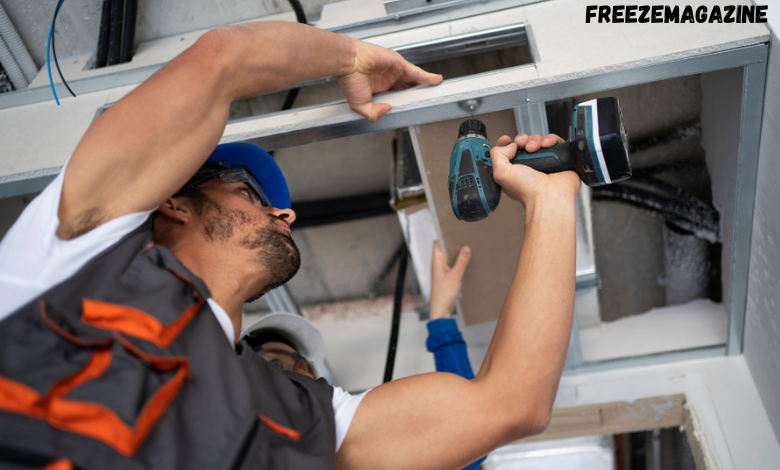
Proper installation is critical for maximizing efficiency. Poorly sized or improperly installed systems can lose up to 30% of their potential energy savings. Homeowners should seek professional installation to ensure:
- Proper refrigerant charge and airflow balance
- Optimized ductwork for minimal energy loss
- Safe venting and combustion for furnaces
Routine maintenance also ensures high-efficiency systems continue operating at peak performance. Tasks include cleaning filters, inspecting coils, checking refrigerant levels, and ensuring all components are functioning correctly.
Grapids Home Services: Professional High-Efficiency HVAC Solutions
For homeowners seeking expert guidance and reliable installation, Grapids Home Services provides comprehensive HVAC solutions tailored to individual needs. Their team specializes in evaluating homes, recommending high-efficiency systems, and performing professional installations to maximize energy savings, comfort, and system longevity.
Whether you are upgrading to a high-efficiency furnace, installing a cutting-edge heat pump, or integrating a smart HVAC system, Grapids Home Services ensures the system is properly sized and installed, reducing energy waste and preventing future maintenance issues.
Beyond installation, Grapids Home Services offers ongoing maintenance programs to keep systems running efficiently, prevent unexpected breakdowns, and extend the life of your investment. By partnering with professionals, homeowners gain peace of mind knowing their HVAC system will operate reliably and efficiently for years to come.
Frequently Asked Questions (FAQs)
1. What makes an HVAC system high-efficiency?
High-efficiency HVAC systems use advanced technology to maximize heating or cooling output while minimizing energy consumption. Metrics like SEER, HSPF, and AFUE indicate their efficiency levels.
2. Are high-efficiency systems worth the higher upfront cost?
Yes. Although they are more expensive initially, energy savings, longer lifespan, improved comfort, and lower maintenance costs often offset the investment within a few years.
3. How can I maintain a high-efficiency HVAC system?
Regular maintenance includes cleaning or replacing filters, inspecting coils, checking refrigerant, and scheduling professional inspections to ensure optimal performance.
4. Can I retrofit my current HVAC system to improve efficiency?
Some components, such as smart thermostats, advanced filtration, or zoning controls, can be added to existing systems. However, replacing older units with high-efficiency models often provides the greatest energy savings.
5. Which system is better: a high-efficiency heat pump or furnace?
It depends on your climate and energy goals. Heat pumps are ideal for moderate climates and provide both heating and cooling, while high-efficiency furnaces excel in very cold regions where reliable heat output is critical.
6. How does a smart thermostat improve HVAC efficiency?
Smart thermostats optimize system operation by learning usage patterns, adjusting temperatures automatically, and allowing remote control, all of which reduce energy consumption while maintaining comfort.
7. How often should high-efficiency HVAC systems be serviced?
Professional inspections at least once a year, preferably before heating or cooling seasons, help maintain performance, detect issues early, and prevent costly breakdowns.
Maximizing Comfort and Savings with High-Efficiency HVAC Systems
Investing in a high-efficiency HVAC system is a smart decision for homeowners seeking to reduce energy costs without compromising comfort. Advanced technology, variable-speed operation, and smart integration create consistent temperatures, cleaner indoor air, and long-term savings.
Partnering with Grapids Home Services ensures that your system is professionally selected, installed, and maintained for peak efficiency and reliability. From high-efficiency heat pumps to advanced furnaces and smart controls, their expertise helps homeowners enjoy superior comfort, energy savings, and peace of mind for years to come.
High-efficiency HVAC systems are not just an upgrade they are a long-term investment in comfort, sustainability, and cost savings.
Business Name: Grapids Home Services
Address: 3325 3 Mile Rd NW, Grand Rapids, MI 49534
Phone Number: (616) 210-3456




Post Comment