Garden Rooms: Smart Ways to Maximise Your Outdoor Space
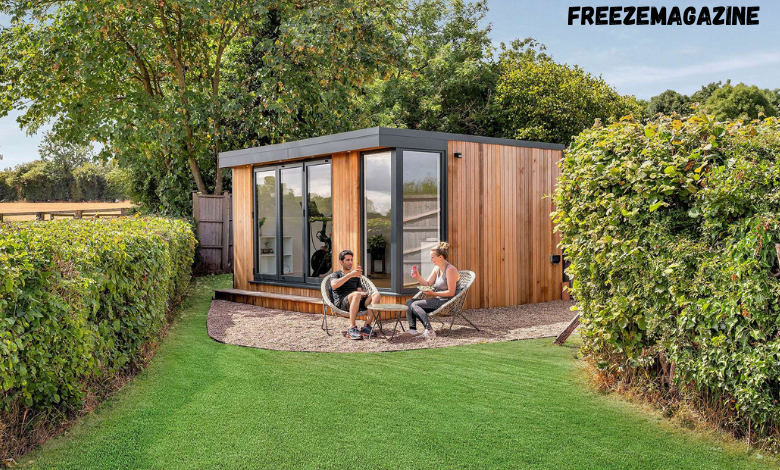
Picture walking into a peaceful, purpose-built space just steps from your home; a place that adds function, comfort, and personality to your property. A garden room does exactly that. It extends your living space outdoors while staying practical and comfortable all year round.
In this guide, you’ll discover what garden rooms are, how to design one that complements your home, creative ways to use the space, and important considerations for building and maintenance. If you’ve been thinking about upgrading your outdoor area, this will help you turn that idea into something real.
What Is a Garden Room?
A garden room is a standalone structure built in your yard to create extra usable space. Unlike a simple shed, it’s fully insulated, finished to modern standards, and designed for year-round use.
Definition
A garden room is essentially an extension of your home — just separate from the main house. It typically includes insulated walls, flooring, and roofing, along with double or triple-glazed windows. Many are fitted with electricity, internet access, heating systems, and even plumbing for a small bathroom or kitchenette.
These spaces can serve many purposes: a home office, guest room, gym, art studio, or quiet escape. Sizes range from compact pods (around 6–12 m²) to larger annex-style buildings. In many areas, smaller garden rooms don’t require full planning permission, though larger or fully serviced structures may need approval.
Key Features to Consider
A well-designed garden room should include:
- Natural light
Large windows or bi-fold doors brighten the interior while maintaining energy efficiency. - Power and connectivity
Dedicated electrical circuits, outlets, and internet access make the room practical for work or entertainment. - Interior finishes
Flooring, wall cladding, built-in shelving, and storage improve both appearance and functionality. - Strong foundations
Options like concrete slabs, screw piles, or pad foundations create stability and protect against moisture.
Security and privacy are equally important. Proper locks, outdoor lighting, and strategic landscaping help keep the space safe and secluded. Exterior materials range from timber cladding and composite panels to sleek rendered finishes, allowing you to either match your home or create a distinctive look.
Types of Garden Rooms
Garden rooms come in different styles to suit different needs:
- Compact pods
Small, often prefabricated units ideal for solo use. Quick to install and budget-friendly. - Standard garden rooms
Mid-sized timber-framed buildings (10–25 m²) perfect for offices, hobby rooms, or guest spaces. - Luxury annexes
Larger, high-spec structures with bathrooms, kitchens, and premium finishes for full-time living use. - Glass-fronted studios
Designed with large glazed panels to maximise daylight and create a strong indoor-outdoor feel. - Converted outbuildings
Existing garages or structures upgraded to meet garden-room standards.
The right option depends on your intended use, budget, and local regulations. Modular builds offer flexibility for future expansion, while bespoke designs provide maximum customization.
Designing Your Ideal Garden Room
Before building, decide the main purpose of the space. Is it a focused workspace? A cosy retreat? A social hub? That decision will shape the design, materials, and comfort systems you choose.
Choosing the Right Style
Rectangular or square layouts offer the most practical floor space for desks, seating, or storage. More unique shapes like circular or hexagonal rooms create visual interest but may require custom furniture.
The exterior should complement your garden and home. Modern glass-and-wood finishes suit contemporary spaces, while painted timber blends beautifully with cottage-style landscaping.
Think carefully about doors and windows. A full-glass frontage floods the room with light and views. Alternatively, side doors with higher windows preserve wall space for shelving or artwork.
If you plan to use the space for multiple purposes, create zones using rugs, shelving units, or subtle partitions to maintain flow without making it feel cramped.
Materials and Construction
Durability and efficiency matter.
Timber framing offers natural warmth and insulation but needs occasional maintenance.
Steel or engineered timber systems allow larger glazed areas.
Structural insulated panels (SIPs) improve energy performance and speed up construction.
Cladding choices include:
- Timber boards – classic and attractive
- Composite panels – low maintenance and modern
- Rendered finishes – durable but require stronger foundations
A solid base and damp-proof membrane are essential. High-quality double or triple glazing with low-emissivity coatings reduces heat loss and condensation.
Plan ahead for services such as electrical wiring, internet cables, or plumbing — even if you don’t need them immediately.
Insulation and Comfort
To keep your garden room comfortable all year, continuous insulation across walls, roof, and floor is key. Energy-efficient glazing and proper sealing prevent drafts and heat loss.
Heating options include:
- Electric underfloor systems
- Panel heaters
- Mini-split heat pumps for both heating and cooling
- Radiators connected to your home system (for annexes)
Ventilation is equally important. Trickle vents, extractor fans for bathrooms or kitchenettes, and solar-control glazing help prevent overheating and condensation.
If you’ll use the space for calls, music, or media, add acoustic insulation and sealed doors to reduce outside noise.
A garden room isn’t just an extra building — it’s an opportunity. With thoughtful planning and the right design choices, it can become the most versatile and enjoyable space on your property.








Post Comment