Discover Morocco During Ramadan – A Journey of Culture, Gastronomy, and Spirituality
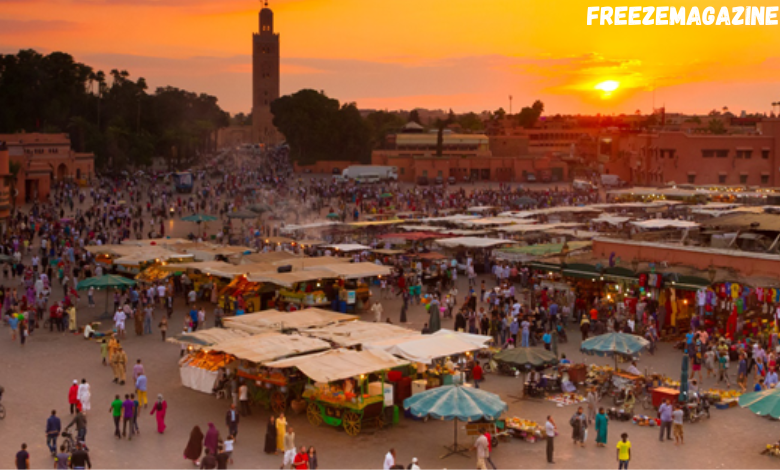
Visiting Morocco during Ramadan offers a unique opportunity to experience the country in a way few travelers ever do. Unlike other times of the year, the Moroccan cities and towns during this sacred month exude a distinct rhythm, blending spirituality, community, and rich cultural traditions. From the bustling medinas of Marrakech and Fès to the tranquil oases of the south, Ramadan transforms everyday life into a tapestry of devotion, reflection, and culinary celebration.
Traveling to Morocco at this time allows visitors to witness traditions that have been preserved for centuries. Beyond the spiritual observance, it is a chance to enjoy a different pace of life, participate in communal celebrations, and indulge in the culinary delights of Ftour, the evening meal that breaks the daily fast.
Experiencing the Unique Rhythm of Ramadan in Morocco
During Ramadan, the rhythm of daily life in Morocco shifts dramatically. From dawn to sunset, locals observe fasting, which entails abstaining from food and drink. Streets and markets are quieter during the day, creating a peaceful and introspective atmosphere that contrasts with the usual hustle and bustle of Moroccan cities.
By evening, however, the energy transforms. As the call to Maghrib prayer resonates across rooftops, the city comes alive with the lights of lanterns, the aromas of traditional dishes, and the sounds of families gathering. This transition from quiet reflection to vibrant celebration is central to the Moroccan Ramadan experience and offers travelers a glimpse into the country’s deep-rooted cultural and spiritual values.
Many travelers find that experiencing Morocco during Ramadan offers a sense of authenticity that is difficult to replicate at other times of the year. The slower pace of daytime activities encourages visitors to explore at leisure, connect with local artisans, and immerse themselves in Moroccan hospitality.
The Ftour Experience – A Culinary Celebration
One of the highlights of visiting Morocco during Ramadan is the Ftour, the evening meal that breaks the fast. Unlike typical dining experiences, Ftour is more than just food—it is a celebration of community, tradition, and flavor.
Ftour usually begins with the breaking of the fast using dates and milk, in accordance with centuries-old Islamic tradition. This simple yet symbolic ritual is followed by a feast that includes a variety of traditional dishes:
- Harira Soup – A rich tomato and lentil soup, often served with chickpeas, herbs, and sometimes meat. Harira is a staple during Ramadan and is considered both nourishing and comforting after a day of fasting.
- Chebakia – A sweet, deep-fried pastry coated in honey and sesame seeds, perfect for replenishing energy.
- Briouats – Savory or sweet stuffed pastries filled with meat, almonds, or vegetables.
- Couscous and Tagines – Served in abundance, these dishes reflect Morocco’s diverse regional flavors, from spiced lamb tagines to vegetable medleys infused with saffron and preserved lemon.
For luxury travelers, the Ftour experience can be elevated to exclusive levels. Imagine breaking the fast on a rooftop terrace overlooking the Marrakech medina, or in the tranquil desert under a canopy of stars, accompanied by live traditional music.
Cultural Immersion During Ramadan
Beyond the culinary experience, Ramadan in Morocco provides rich opportunities for cultural immersion. Travelers can witness the city’s transformation, as daily routines give way to spiritual reflection and evening festivities.
Markets and Souks: Many souks close earlier during the day but reopen after sunset, filled with energy and lights.
Religious Ceremonies: Visitors can observe prayers at historic mosques, such as the Koutoubia in Marrakech or the Qarawiyyin in Fès. While non-Muslims cannot participate in the rituals, they are welcomed to admire the architecture and listen to the resonant call to prayer, which carries a heightened sense of serenity during Ramadan.
Family Gatherings: Moroccan culture places strong emphasis on family during Ramadan. Many locals invite guests and travelers to join them for Ftour, creating an intimate cultural exchange. Participating in these meals provides insight into hospitality, communal values, and Moroccan etiquette.
Luxury Travel and Exclusive Experiences During Ramadan
While Ramadan slows the pace of daily life, luxury travel options remain abundant. High-end riads, desert camps, and palace hotels continue to operate at full capacity, offering private services and curated experiences:
- Luxury Riads in Marrakech: Experience exclusive Ftour dinners in serene courtyards, surrounded by fountains, zelliges, and lantern-lit patios.
For those arriving via private jet or helicopter, transfers and logistics are carefully arranged to ensure comfort and discretion, aligning with the high-end expectations of luxury travelers.
Traveling With Respect During Ramadan
Visiting Morocco during Ramadan requires cultural sensitivity. While many restaurants and cafés cater to tourists during the day, it is respectful to avoid eating, drinking, or smoking in public spaces during fasting hours. Luxury hotels typically provide discreet indoor dining options for guests.
Dress codes remain important, particularly in religious sites. Travelers are encouraged to wear modest clothing to show respect for local customs.
Participating in Ramadan with awareness enhances the experience, allowing visitors to connect with locals and understand the spiritual significance behind daily rituals.
Best Destinations for Ramadan in Morocco
Certain Moroccan destinations are particularly magical during Ramadan:
- Marrakech: The medina and Jemaa el-Fnaa square come alive after sunset, with musicians, storytellers, and food stalls offering an unforgettable Ftour scene.
- Fès: The historic medina offers an authentic glimpse of traditional Moroccan life. Ftour experiences in centuries-old riads provide both privacy and cultural depth.
- Chefchaouen: The blue city offers tranquil streets and serene mountain views, ideal for reflective walks during the day and intimate evening meals.
- Desert Regions (Zagora, Merzouga): These regions provide an unmatched combination of solitude, star-filled skies, and luxury desert camping experiences during Ramadan.
Practical Considerations for Travelers
Flights and Transfers: International travelers can arrive via Marrakech Menara Airport or Casablanca Mohammed V Airport, with domestic flights or private transfers to reach other regions. Luxury transfers with chauffeurs, 4x4s, or helicopters are highly recommended to maximize comfort and efficiency.
Timing: Ramadan follows the lunar calendar, so dates shift each year. Travelers should plan in advance to align with holiday periods and special events.
Weather: Depending on the region, temperatures can vary. Coastal cities are mild, while desert areas may experience cold nights and hot days. Luxury accommodations provide climate-controlled environments for optimal comfort.
Booking Ftour Experiences: Advance reservations are essential for luxury dining during Ramadan, as restaurants often operate at limited capacity and special meals require preparation.
Why Visit Morocco During Ramadan?
Experiencing Morocco during Ramadan offers:
- Cultural Authenticity: Witness Morocco’s spiritual and communal traditions at their most vivid.
- Intimate Atmosphere: Cities are quieter during the day, providing a more reflective and immersive exploration.
- Luxury Opportunities: High-end travel experiences, private chefs, desert camps, and personalized tours remain available for those seeking privacy and exclusivity.
Ramadan in Morocco is not just a travel period; it is a journey into the heart of Moroccan culture, offering memories that go beyond sightseeing, from communal celebrations to quiet moments of reflection.
Conclusion
Traveling to Morocco during Ramadan is a transformative experience that combines spiritual insight, cultural immersion, and luxury travel. Whether wandering the illuminated streets of Marrakech, sharing a Ftour with local families, or dining under the desert stars in Zagora, visitors encounter Morocco in a deeply authentic and memorable way.
For luxury travelers, Ramadan offers the perfect opportunity to experience Morocco’s traditions with comfort, discretion, and personalization, creating unforgettable moments of connection, gastronomy, and serenity.
Visiting Morocco during this holy month is more than a vacation; it is a cultural and spiritual journey that reveals the heart of the country, leaving travelers with stories, flavors, and memories to cherish for a lifetime.





Post Comment