Common Radiator Installation Mistakes (and How to Avoid Them)
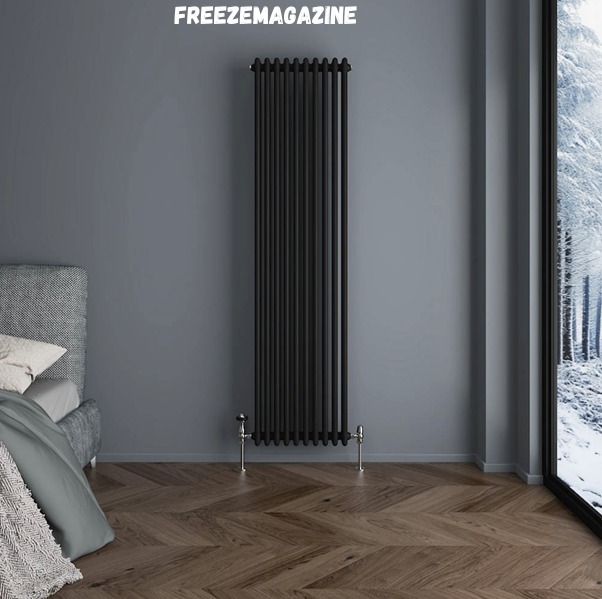
Radiators look simple. Hang them on the wall, connect a couple of pipes, turn the heating on, job done, right? Not quite. Radiator installation is one of those things that looks easy but quietly punishes shortcuts. One wrong move and you’re left with cold spots, noisy pipes, sky-high energy bills, or worse, water dripping where it absolutely shouldn’t.
Think of a radiator like a musical instrument. Installed properly, it hums along, quietly warming your space. Installed badly; it squeaks, rattles, and never quite hits the right note. Let’s break down the most common radiator installation mistakes people make and exactly how to avoid them.
Understanding the Basics of Radiator Installation
Types of Radiators and Their Installation Needs
Not all radiators are created equal. Panel radiators, column radiators, cast iron beauties, and vertical designer models each have different weight, pipework, and fixing requirements. A mistake many people make is treating every radiator like a basic panel rad. That’s like using the same shoes for hiking, running, and formal events. Technically possible, practically painful.
How Radiators Actually Heat a Room
Radiators heat rooms through convection and radiation. Cold air enters at the bottom, warm air rises from the top, and heat radiates outward. Block that airflow or install the radiator incorrectly, and you’re basically putting a blanket over a campfire.
Mistake 1: Choosing the Wrong Radiator Size
Why Bigger Isn’t Always Better
One of the biggest (and most expensive) mistakes is oversizing or undersizing a radiator. Too small, and the room never warms up. Too large, and you waste energy while overheating the space. Bigger doesn’t mean better; it means inefficient.
How to Calculate the Correct BTU Output
BTU (British Thermal Units) matter. Room size, ceiling height, insulation, and window count all affect the BTU requirement. Skipping this step is like buying clothes without checking the size label. Always calculate BTUs before buying.
Mistake 2: Poor Radiator Placement
Common Placement Errors
Behind doors. Cramped corners. Hidden behind oversized sofas. These placements choke heat circulation and reduce efficiency.
Best Locations for Maximum Heat Efficiency
Traditionally, under windows works best it counteracts cold air. The key is airflow. Give your radiator space to breathe, and it’ll return the favor.
Mistake 3: Incorrect Pipework Alignment
How Bad Pipework Affects Performance
Misaligned pipes stress joints, cause leaks, and restrict water flow. Over time, this leads to pressure issues and poor heat output.
Tips for Proper Pipe Alignment
Measure twice, dry-fit before tightening. Pipes should meet valves naturally, no forcing, no bending gymnastics.
Mistake 4: Skipping Wall Strength Checks
Why Wall Type Matters
Radiators are heavy. Cast iron radiators are really heavy. Plasterboard alone won’t cut it.
Fixings for Different Wall Materials
Solid brick, dot-and-dab, and stud walls each need specific fixings. When in doubt, reinforce. Gravity never negotiates.
Mistake 5: Not Leveling the Radiator Properly
The Hidden Problems of an Unlevel Radiator
A radiator that isn’t level traps air, heats unevenly, and looks sloppy. Slightly angled toward the bleed valve is fine, but random tilts are not.
Mistake 6: Ignoring Air Bleeding and Pressure Checks
Why Trapped Air Kills Efficiency
Air pockets stop hot water from circulating. That’s why the top stays cold while the bottom roasts.
How to Bleed a Radiator Correctly
Turn the heating off, and use a bleed key. Release air until water appears. Check system pressure afterward. Simple but often skipped.
Mistake 7: Using the Wrong Valves
TRVs vs Manual Valves
TRVs regulate room temperature automatically. Manual valves don’t. Using the wrong one limits control and efficiency.
Choosing the Right Valve for Your System
Match valves to your heating setup and radiator style. It’s a small detail with a big impact.
Mistake 8: Over-Tightening Connections
When Tight Becomes Too Tight
Over-tightening damages threads and crushes washers. Leaks often come from enthusiasm, not neglect. Snug is enough.
Mistake 9: Forgetting System Flushing
Sludge, Rust, and Silent Damage
Old systems carry sludge. New radiators hate sludge. Without flushing, you’re feeding your new radiator a slow poison.
Mistake 10: DIY Without Proper Knowledge
When DIY Is Fine and When It’s Not
Swapping like-for-like radiators? Maybe DIY. New pipework, heavy units, or system changes? Call a pro. Pride is expensive when it leaks.
Professional Installation vs DIY: What’s the Real Cost?
DIY saves money upfront, but mistakes cost more long-term. A professional install protects warranties, efficiency, and your sanity.
How to Avoid Radiator Installation Mistakes Altogether
A Simple Pre-Installation Checklist
- Correct BTU calculated
- Wall strength confirmed
- Pipes aligned
- Valves matched
- System flushed
- Radiator leveled
- Air bled, and pressure checked
Radiator installation isn’t just about heat; it’s about comfort, efficiency, and long-term reliability. Most mistakes don’t scream for attention right away. They whisper. Higher bills. Cold corners. Constant tinkering. Avoiding these common radiator installation mistakes saves money, time, and frustration. Install it right once, and your radiator will quietly do its job for decades.





Post Comment