Common Mistakes When Using Rock Cutters in Skid Steer Rock Crushing Systems
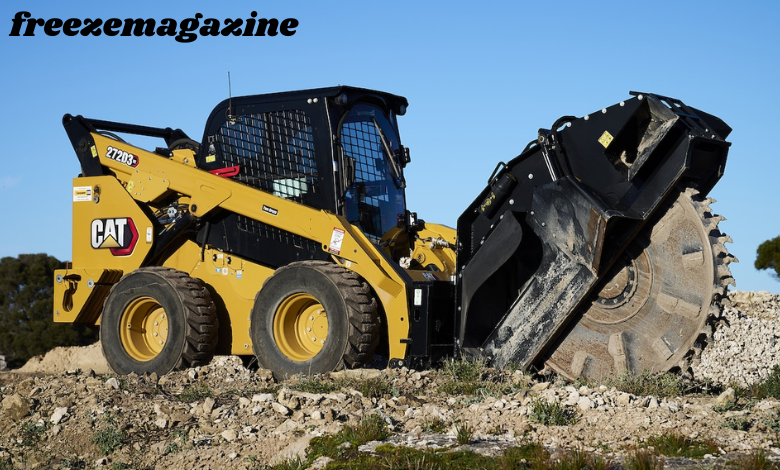
Rock cutters are exceptional attachments that can provide precision rock excavation, trenching, and profiling of materials. When paired with a skid steer rock crusher, it allows for cleaner fragmentation of rock. Improper use raises performance, safety, and useful life concerns. Recognizing common misuses is vital to increase the cutting efficiency of rock cutters and to avoid shutdown of your crushing operation. This guide explains the common errors made when operating the attachment in a skid steer system.
Incorrect Hydraulic Flow and Pressure Settings
Hydraulic system compatibility is key to successful working relationships between your skid steer and rock cutters.
- An incorrect flow rate, whether under or over the rating of the hydraulic motor that operates each cutter, can lead to reduced performance and overload work conditions.
- Excessive hydraulic flow rates for cutting rock will cause rapid tooth wearing, generate excessive heat, and lead to excess energy use without increasing productivity.
- Conversely, operating at slow enough flow rates of hydraulic fluid will cause the hydraulic motors to overwork, in turn causing them to stall while cutting through hard material. Relief valves and flow controls sometimes need to be adjusted and maintenance done appropriately to maintain hydraulic cutting performance and reduce the likelihood of hydraulic shock.
- A properly calibrated system will enable smooth hydraulics over varying terrains and product densities, and striking a balanced level of power versus safety.
- Utilizing damaged or incorrectly rated hoses can trigger leaking, loss of pressure, and sudden failure of the hydraulic system.
Insufficient Material Assessment and Preparation
Every worksite has a specific material challenge, which has to be addressed in order to achieve the best possible cutter performance and service life.
- Rock cutters are often the first step before material enters a skid steer rock crusher. Feeding in boulders or heavily reinforced concrete that has not been pre-sized or broken up will create force jamming and increased wear of the picks and drums.
- Not utilizing rock cutters with upstream cutting or milling methods reduces the overall efficacy of the crushing process. This also increases the workload for equipment and creates higher replacement costs.
- Allowing crushed rock to build up around the cutter drums can impede tooth engagement and cause random cutting patterns while also creating premature mechanical failures.
Improper Operator Technique and Orientation
Operational mistakes made by the operator account for another considerable misstep that reduces the efficiency of rock cutters and, in turn, causes increased wear.
- Incorrect Cutter Angle: Misaligning the rock cutters to the terrain surfaces increases pick slippage caused by inefficient material removal and face-shattered picks.
- Excessive Load Application: Forced aggression on the cutter creates vibrations and leads to hydraulic and mechanical failure prematurely.
- Inconsistent Cutting Depths: Inconsistencies in maintaining cutting depths can result in loading certain drum areas excessively, thereby wearing out harrows and creating mechanical strain.
- Neglecting Cutter Rotation: Failure to adjust cutter speed in real-time due to changing material resistance results in wasted hydraulic power and unnecessary agitation on equipment materials.
Neglecting Routine Maintenance and Inspection
Neglecting preventive and corrective maintenance leads directly to increased wear on components while increasing the total cost of ownership. Dull or lost picks decrease cutting effectiveness, increase load on the machine, and increase wear on the drum and hydraulic motor. Also, poorly lubricated bearings and pivot points wear out quickly, and can reduce productivity and lead to greater expenses if parts break and require replacement.
Old or contaminated hydraulic fluids can compromise pressure stability and may cause system overflow in the rock cutters with water and debris, resulting in catastrophic failure. Worn wear plates open the substrate surfaces to potential wear from abrasion, which impacts the attachment and resale value.
Neglecting Safety Protocols and Site Best Practices
Stress safety protocol prevents the risk of accidents, improves efficiency, and assures compliance with the law.
- Working Without Lockout-Tagout While Servicing Equipment: If hydraulic systems are not put in de-pressurized before servicing, you risk sudden movement, injury from fluid injection, and costly repairs.
- Inadequate Use of PPE: Not using PPE as required opens you and those on the ground to physical injuries from flying debris and hazards related to hydraulic machinery. This can also put both the cutter and skid steer rock crusher operators at risk
- Operator Training Ineffective in Emergency Situations: Operators who are not trained correctly to handle emergency shutdowns or are not able to identify potential hazards dramatically increase the risk of injury during unexpected equipment failure.
Conclusion
Proper hydraulic tuning, material screening, operating procedure discipline, and pre-emptive maintenance are critical to the operation of rock cutters in skid steer rock crusher systems. Rockzone Americas provides advanced rock wheels engineered for durability, precision, and ease of maintenance, helping operators effectively overcome these common challenges. With Rockzone Americas, your skid steers are equipped with the most reliable rock cutters to tackle even the toughest terrain applications.
Rely on Rockzone Americas for expert guidance, durable rock cutters, and end-to-end support that ensures your skid steer rock crushing system performs at peak efficiency.







Post Comment