Cloud-Based ERP Software with Dynamics 365: Why More Businesses Are Moving to the Cloud
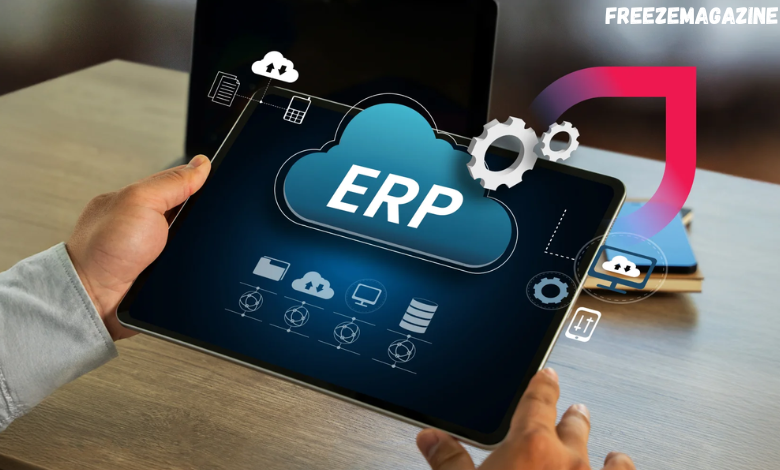
One of the most significant trends in enterprise software is the shift to cloud-based ERP systems. Traditionally, businesses used on-premises ERP solutions, which involved large investments in hardware, software, and IT management.
However, cloud-based systems like Microsoft Dynamics 365 ERP are revolutionizing this landscape by offering businesses the flexibility, scalability, and efficiency they need to thrive in the digital age.
What is Cloud-Based ERP?
Cloud-based ERP systems are hosted on the internet, allowing businesses to access critical functions such as finance, HR, sales, and supply chain management from anywhere in the world. This shift eliminates the need for on-premises infrastructure, reducing maintenance costs and improving accessibility. Dynamics ERP offers a comprehensive, scalable, and flexible solution that integrates various business functions, allowing organizations to operate more efficiently.
Why Are More Businesses Moving to the Cloud?
Businesses today are under constant pressure to remain agile, cost-effective, and competitive. Cloud-based ERP systems are the perfect answer to these challenges. Let’s explore the key reasons why more businesses are adopting cloud-based ERP solutions like Dynamics 365.
1. Cost-Effectiveness
The initial cost of on-premises ERP systems can be substantial. From hardware to IT infrastructure, the expenses can quickly add up. Cloud-based ERP, on the other hand, offers a subscription-based model that allows businesses to pay for what they use, making it more affordable. The cost of maintenance, upgrades, and IT staff is also minimized, which is especially beneficial for small and medium-sized businesses (SMBs) looking to reduce operational costs.
2. Scalability and Flexibility
Unlike traditional systems, which can be rigid and difficult to scale, cloud ERP solutions are built to grow with your business. Whether you’re expanding globally or adding new functionalities, Dynamics 365 ERP makes it easy to scale operations as needed. Businesses can add users, modules, or even new features without costly infrastructure upgrades.
3. Improved Accessibility
Cloud-based systems enable employees to access the ERP software from anywhere, anytime, as long as they have an internet connection. With Dynamics 365, teams can collaborate seamlessly across different locations, improving overall productivity and efficiency.
4. Enhanced Security
One of the biggest concerns with cloud solutions is data security. However, cloud providers like Microsoft invest heavily in security measures, offering enterprise-grade protection that businesses would find difficult to replicate on their own. ERP provides robust security features, including data encryption, multi-factor authentication, and secure data centers, ensuring your business data is safe and compliant with industry regulations.
Dynamics 365 ERP: A Unified Solution for Business Operations
Microsoft Dynamics 365 is not just an ERP system—it’s a unified platform that integrates business functions into a single cohesive solution. Whether it’s finance, operations, customer service, or supply chain management, Dynamics 365 ensures that all departments work with the same data and insights, promoting collaboration and reducing inefficiencies.
Real-Time Data for Smarter Decisions
One of the standout features of Dynamics 365 is its ability to provide real-time insights into key business metrics. From financial data to customer feedback, the platform enables businesses to make informed, data-driven decisions. The system’s real-time nature helps businesses stay agile and responsive to changing market conditions.
Integration with Other Microsoft Products
Another advantage of Microsoft ERP is its seamless integration with other Microsoft products, including Office 365, Teams, and Power BI. This integration creates a unified ecosystem that streamlines workflows and enhances collaboration across different business functions. For example, sales teams can easily access customer data, while finance teams can manage budgets and cash flow, all within the same platform.
The Future of Cloud ERP with Dynamics 365
As businesses face increasingly complex challenges, agility and scalability have become essential for success. Cloud ERP solutions empower businesses to adapt quickly to market changes, streamline processes, and drive innovation. With regular updates and new features, Dynamics 365 ensures that businesses have access to the latest tools and technologies, helping them stay ahead of the competition.
Embracing Digital Transformation
The move to cloud-based ERP is part of a broader trend toward digital transformation. With Dynamics 365 ERP, businesses can harness the power of AI, machine learning, and automation to improve efficiency, reduce manual tasks, and optimize business processes. The future of ERP is in the cloud, and businesses that make the transition will be better equipped to thrive in an increasingly digital world.
Microsoft Dynamics Price: Is It Worth the Investment?
One common question businesses have when considering a move to cloud-based ERP is, “What is the Microsoft Dynamics price?”
The flexibility of cloud-based ERP enables businesses to start with the modules they need and scale as they grow, ensuring they only pay for what they use. This pricing structure, combined with the extensive functionality and security Dynamics 365 offers, makes it a cost-effective solution for businesses looking to future-proof their operations.
Conclusion
With Microsoft Dynamics 365 ERP, companies can streamline operations, improve collaboration, and make better data-driven decisions. The cloud offers unparalleled flexibility, scalability, and security, which is why more businesses are making the switch.
As businesses continue to adapt to the challenges of the digital age, Dynamics 365 provides the tools they need to stay competitive, efficient, and innovative. Whether you’re looking to reduce costs, improve decision-making, or enhance collaboration.








Post Comment