Benefits of Spaying and Neutering for Better Pet Health and Balanced Behavior
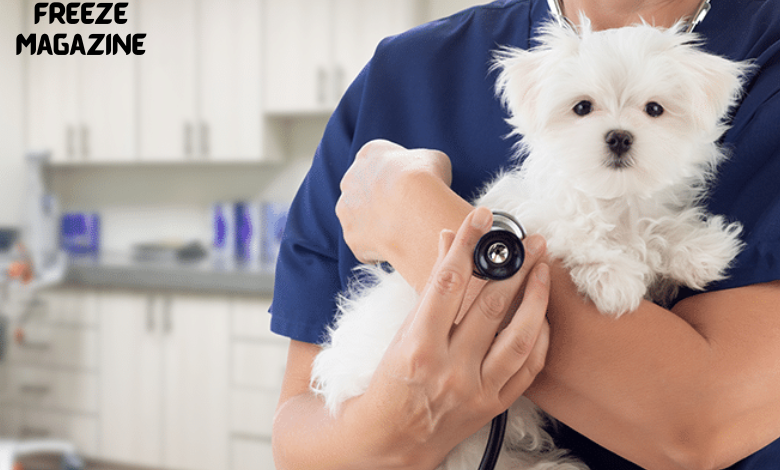
You want your pet to live a long, calm, and safe life. Spaying or neutering can help you reach that goal. It protects your pet from painful disease. It also lowers stress in your home. Many pets become less aggressive after surgery. Many roam less and mark less. You face fewer fights, fewer escapes, and fewer emergency visits. Your pet can focus more on play, food, and rest. That gives you more peace. Veterinary centers, including those in Edmonton animal clinic , report these improvements in pets on a regular basis. You may worry about surgery or cost. You may hear myths from neighbors or online posts. This guide cuts through that noise. It explains how these surgeries protect health and shape behavior. It also helps you decide the best time to schedule them. You will see how one choice can protect your pet and your family.
What Spaying And Neutering Mean
Spaying removes the ovaries or the ovaries and uterus in female pets. Neutering removes the testicles in male pets. These surgeries stop your pet from having kittens or puppies. They also lower hormone levels that drive stress, mating, and many risky habits.
Veterinarians use pain control. Your pet is asleep during surgery. Recovery is short. You receive clear steps for rest, feeding, and movement.
Health Problems You Can Prevent
Spaying and neutering prevent or cut the risk of several serious problems. Many of these problems need emergency care or lead to death.
| Condition | Who Is At Risk | Effect Of Spay / Neuter |
|---|---|---|
| Pyometra (uterus infection) | Unspayed females | Prevents the disease |
| Mammary (breast) tumors | Unspayed females | Risk drops when spayed early |
| Testicular cancer | Unneutered males | Prevents the disease |
| Prostate problems | Unneutered males | Risk drops after neuter |
| Certain infections | Both sexes | Risk can drop due to hormone change |
The American Veterinary Medical Association explains that early spaying or neutering lowers the risk of mammary tumors in dogs and cats. It also removes the risk of testicular cancer in males. These are common problems in older pets that do not have surgery.
Behavior Changes You Can Expect
Hormones push many hard habits. You may see your pet pace, howl, or try to escape. You may see scent marking on walls or floors. You may also see same sex fighting.
After spaying or neutering, many pets change in three clear ways.
- Less roaming and escaping
- Less marking with urine
- Lower risk of some bites and fights
Pets still need training and clear rules. Surgery is not magic. It removes a strong drive that competes with your voice. Your pet can then pay more attention to you, toys, and family life.
Common Myths And Straight Facts
You may hear sharp claims about these surgeries. Many cause fear and delay. It helps to face three common myths.
First, some people say pets always gain weight after being spayed or neutered. The truth is that pets gain weight when they eat more than they burn. Hormone shifts can lower energy. You can protect your pet with a measured diet and daily play. You control the bowl and the leash.
Science does not support this. The Centers for Disease Control and Prevention notes that spaying protects female dogs from uterus infection and some cancers. There is no proven health gain from a first litter.
Third, some fear that neutering removes all drive or joy. Neutered pets still run, chase, and love. They still guard the home. They face fewer urges that pull them into fights or traffic.
When To Spay Or Neuter
The best time depends on species, size, and health. Many pets have surgery before the first heat cycle or around six months of age. Large dogs may need a different schedule.
Ask three questions during your visit.
- What age do you suggest for my pet and why
- How should I prepare the day before surgery
- What care will my pet need during recovery
Write the answers. Then set a date that fits your family.
How To Prepare And What Recovery Looks Like
The day before surgery, follow the feeding rules from your clinic. Many pets stop eating late at night. Make sure your pet has a safe carrier or leash for the trip.
- Keeping your pet in a quiet room
- Stopping jumping and rough play for about ten to fourteen days
- Checking the incision each day for swelling or discharge
Call your clinic right away if your pet seems weak, refuses food, or licks the incision nonstop. Quick help prevents larger problems.
How This Choice Protects Your Family
Spaying and neutering do more than protect your pet. They also protect your home and community. You see fewer surprise litters. You see fewer fights in parks and yards. You lower the chance that your pet runs into traffic or harms a neighbor.
This one medical choice supports three goals. You protect your pet from painful disease. You calm hard habits at home. You lower the risk of stray animals in your community.
You carry deep care for your pet. Use that care to plan now. Talk with your veterinarian. Ask hard questions. Then choose the time that fits your pet. That choice guards your pet, your home, and your peace.







Post Comment