Bamboo for Babies and Kids: Is It Truly Safe?
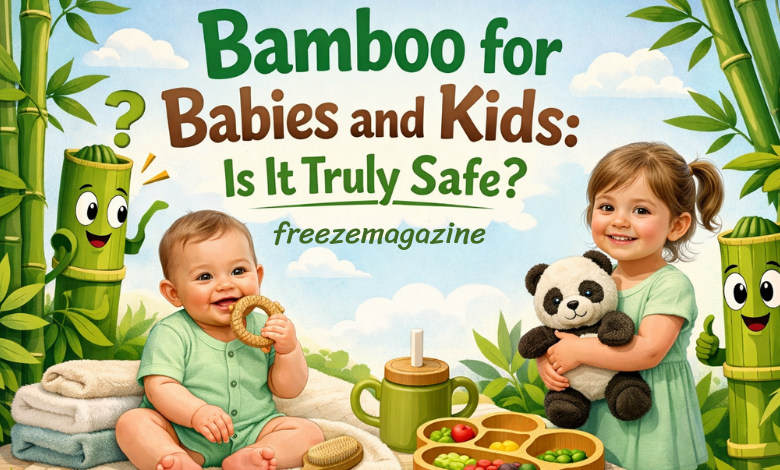
Parents today are increasingly conscious of the materials their children come into contact with. From clothing to bedding to everyday household items, the focus has shifted towards natural, eco-friendly alternatives. Among these, bamboo has become a popular choice. But with its growing use in products for the youngest members of our families, the question arises: is bamboo for babies and kids truly safe?
What Makes Bamboo Popular for Children?
Bamboo is celebrated for several reasons. First, it is naturally soft and gentle on the skin, which is particularly important for babies and young children with sensitive skin. It is also highly absorbent and breathable, making it suitable for items like baby clothes, towels, and bedding. In addition, bamboo is eco-friendly. Unlike cotton, it requires less water and no pesticides to grow, aligning with a growing desire for sustainable living.
Parents are also increasingly using bamboo in everyday household products. For instance, bamboo toilet rolls have become a staple in eco-conscious homes. They are soft, strong, and biodegradable, making them a sustainable alternative to traditional paper. Similarly, bamboo kitchen rolls and bamboo toilet tissue offer the same environmental benefits while being safe for everyday household use.
The Safety of Bamboo for Babies
The primary concern for parents is the safety of bamboo materials when it comes into contact with children. Generally, bamboo itself is considered safe, but there are some caveats. Many bamboo products are not 100% pure bamboo; they are often blended with synthetic fibres like polyester, which may not be suitable for sensitive skin. Always verify labels to confirm the product is crafted from pure bamboo or a high bamboo content blend, free of harmful chemicals.
Another point to consider is the chemical process used to convert raw bamboo into soft fabrics. The most common method involves a process that uses chemicals to break down bamboo fibres into viscose. While the finished product is typically considered safe, some parents prefer bamboo products labelled as “organic” or “chemical-free” to minimise any potential risk.
Benefits of Bamboo for Children
Despite these considerations, there are several compelling reasons to incorporate bamboo into your child’s daily life:
- Hypoallergenic: Bamboo fibres are naturally hypoallergenic, reducing the risk of allergic reactions, rashes, and irritation. This makes bamboo an excellent choice for baby clothing, bedding, and towels.
- Moisture-Wicking: Bamboo fabric absorbs moisture better than cotton, which helps keep babies dry and comfortable, especially during the night or after bath time.
- Temperature Regulation: Bamboo is breathable and naturally thermoregulating. It helps keep children cool in summer and warm in winter, providing comfort across seasons.
- Antibacterial Properties: Studies suggest that bamboo fibres have antibacterial qualities, which may help reduce bacteria and odours on fabrics that are in close contact with babies’ skin.
Practical Uses of Bamboo for Babies and Kids
Bamboo can be found in a wide range of products that are suitable for children. From clothing to household essentials, its versatility makes it a practical choice:
- Baby Clothing: Soft bamboo onesies, pajamas, and socks are gentle on delicate skin. Parents often choose bamboo for its comfort and sustainability.
- Bamboo bedding, including sheets, blankets, and towels, offers a soft, breathable space for babies to rest comfortably.
- Eco-conscious diaper brands are using bamboo fibers for enhanced softness and absorbency, while bamboo-based wipes are favored for their gentle, biodegradable properties.
- Everyday Household Products: Beyond fabrics, bamboo is increasingly used in homes with children. Items like bamboo toilet rolls, bamboo kitchen rolls, and bamboo toilet tissue are eco-friendly alternatives that reduce environmental impact while remaining safe for family use.
Addressing Common Concerns
While bamboo is generally considered safe, parents often have specific concerns. One is the potential presence of chemical residues in bamboo fabrics.
Another concern is durability. Some bamboo fabrics may shrink or lose softness after repeated washing. Following care instructions and choosing high-quality brands can ensure longevity and maintain the benefits of bamboo products.
Parents may also worry about the impact of bamboo on allergies. While bamboo is hypoallergenic, individual sensitivities can vary. It is always advisable to test new products on a small area of skin first or consult a paediatrician if your child has a history of skin conditions.
Eco-Friendly and Sustainable Choice
Choosing bamboo products is not only about safety; it is also about sustainability. For parents who are environmentally conscious, bamboo offers a way to reduce plastic and chemical use in their household. Switching to bamboo toilet rolls and other bamboo-based household items can significantly lower your family’s ecological footprint.
Moreover, bamboo cultivation requires minimal water compared to conventional cotton, and it grows quickly without the need for pesticides. By selecting bamboo, parents are making a choice that benefits both their children and the planet.
Final Thoughts: Is Bamboo Right for Your Child?
Is bamboo a genuinely safe material for babies and children? The answer is generally yes, provided parents choose high-quality, chemical-free, or organic products. Bamboo offers softness, breathability, and hypoallergenic properties that make it an excellent choice for children.
It also allows families to adopt sustainable living by using items such as bamboo kitchen towels, eco friendly toilet tissue, and eco-conscious apparel. By making informed choices, parents can ensure their children enjoy the benefits of bamboo safely and comfortably.
Ultimately, bamboo is more than a trend. It is a practical, safe, and sustainable option for families seeking gentle, eco-friendly alternatives. With proper product selection and care, bamboo can be a reliable part of everyday life for babies and children.



Post Comment