Alpine Beauty Meets Mediterranean Charm
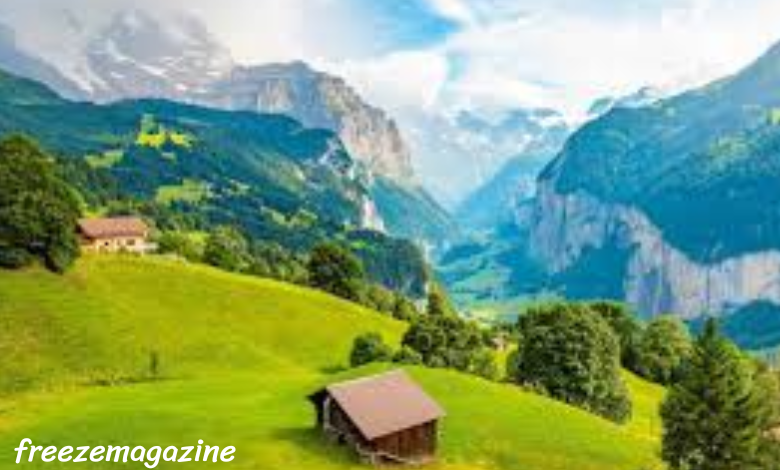
Slovenia emerges as one of Europe’s most enchanting cycling destinations, where pristine Alpine landscapes meet Mediterranean warmth to create an extraordinary diversity of experiences within a remarkably compact territory.
This small but magnificent country offers cycling adventures that rival those of much larger nations, combining dramatic mountain terrain with gentle coastal routes, medieval castles with emerald rivers, and world-class cycling infrastructure with authentic cultural experiences that remain refreshingly unspoiled by mass tourism.
The Slovenian approach to cycling development emphasizes harmony between natural preservation and recreational access, creating routes that showcase the country’s stunning biodiversity while maintaining the highest environmental standards. Slovenia’s commitment to green tourism and sustainable development has resulted in cycling networks that feel integrated with the landscape rather than imposed upon it, offering cyclists an intimate connection with some of Europe’s most pristine natural environments.
Diverse Landscapes Within Reach
Slovenia’s remarkable geographical diversity creates cycling opportunities that span from Alpine peaks to Mediterranean coastline within distances easily covered during a single cycling holiday. The Julian Alps region provides challenging mountain terrain with breathtaking views of Triglav, Slovenia’s highest peak, while the Adriatic coast offers gentle rides through olive groves and seaside towns that capture the essence of Mediterranean cycling culture.
The country’s river valleys create natural cycling corridors that connect different geographical regions while providing relatively flat terrain suitable for cyclists of all abilities. The Soca River valley, famous for its distinctive emerald-green waters, offers one of Europe’s most scenic cycling experiences, with routes that follow the river from its Alpine source to its confluence with other waterways. These river routes feature excellent surface conditions and strategic rest areas that maximize enjoyment of the spectacular scenery.
Lake Bled and Lake Bohinj represent Slovenia’s most iconic cycling destinations, where crystal-clear Alpine lakes provide stunning backdrops for routes that combine natural beauty with cultural attractions. The Lake Bled circuit offers gentle terrain perfect for families, while providing access to the famous island church and clifftop castle that define Slovenia’s most recognizable landscape. Lake Bohinj, situated within Triglav National Park, offers more challenging terrain with rewards that include some of the most pristine mountain scenery in Europe.
The Karst region showcases Slovenia’s unique geological heritage, where cycling routes wind through landscapes shaped by underground rivers and cave systems. These routes provide fascinating insights into Slovenia’s distinctive limestone terrain while connecting traditional stone villages that preserve centuries of cultural heritage. The rolling hills and moderate gradients make Karst cycling accessible while offering constant variety in scenery and cultural experiences.
Exceptional Route Quality and Safety
Slovenian cycling infrastructure reflects the country’s commitment to quality over quantity, with routes that receive meticulous attention to surface conditions, safety features, and integration with natural environments. The relatively recent development of Slovenia’s cycling network means that routes incorporate the latest design standards and safety technologies, creating experiences that meet international expectations while maintaining distinctly Slovenian character.
Safety standards on Slovenian cycling routes emphasize compatibility with the country’s diverse terrain and weather conditions. Mountain routes feature appropriate safety barriers, emergency communication systems, and weather monitoring that ensures cyclist safety even in challenging Alpine conditions. Coastal and valley routes prioritize separation from motor traffic while maintaining scenic access that maximizes the visual rewards of Slovenian cycling.
The signage system throughout Slovenia combines international standards with local character, providing essential navigation and safety information while incorporating design elements that reflect Slovenia’s cultural heritage. Route markings appear consistently across different regions, though local variations add cultural interest without compromising practical functionality. Emergency information appears at strategic intervals, with contact details for rescue services that maintain specialized mountain rescue capabilities.
Route maintenance receives priority attention despite Slovenia’s limited resources, with surface conditions that compare favorably to much wealthier countries. The systematic approach to maintenance ensures that cyclists encounter consistent quality throughout their journeys, while seasonal preparations keep routes accessible across extended cycling seasons. Winter maintenance on lower elevation routes extends cycling opportunities well beyond the traditional summer season.
Cultural Richness and Authentic Experiences
Slovenia cycling routes provide exceptional access to authentic cultural experiences that remain largely untouched by mass tourism. Medieval towns like Ptuj and Škofja Loka offer genuine insights into Central European history, with cycling routes that connect cobblestone squares, ancient churches, and traditional craft workshops where visitors can observe traditional techniques still practiced by local artisans.
The country’s wine regions provide cycling experiences that combine gentle terrain with sophisticated gastronomy, where family-owned vineyards welcome cyclists for tastings that showcase Slovenia’s emerging reputation for quality wine production. These routes connect historic wine cellars with modern facilities, creating educational experiences that demonstrate both traditional and contemporary approaches to viticulture.
Traditional Alpine culture receives special emphasis along mountain cycling routes, where mountain huts and traditional farms offer authentic local cuisine and accommodation that provides genuine insights into Slovenian mountain life. These facilities typically cater specifically to cycling tourists, providing secure bike storage, hearty traditional meals, and cultural experiences that enhance understanding of Slovenia’s rural heritage.
The country’s thermal spa traditions integrate beautifully with cycling tourism, where routes connect natural hot springs with modern spa facilities that provide perfect recovery opportunities after challenging cycling days. These thermal regions offer unique combinations of cycling recreation with wellness experiences that reflect Slovenia’s long tradition of spa culture and natural healing practices.
Seasonal Cycling Opportunities
Slovenia’s climate creates distinct seasonal cycling opportunities that extend practical cycling seasons while offering unique rewards throughout the year. The country’s position between Alpine and Mediterranean climate zones creates microclimates that provide favorable conditions even when neighboring regions experience challenging weather.
Spring cycling in Slovenia offers spectacular displays of Alpine flowers and flowing waterfalls fed by snowmelt, while moderate temperatures make challenging mountain routes accessible to recreational cyclists. The emergence of vegetation creates constantly changing scenery that rewards cyclists with new discoveries around every corner. Traditional spring festivals provide cultural experiences that welcome cycling tourists as honored guests.
Summer conditions provide optimal cycling weather with extended daylight hours that support ambitious multi-day adventures. The Alpine regions offer relief from summer heat while maintaining accessibility, and coastal routes provide Mediterranean warmth without the extreme temperatures found in southern European destinations. Summer festivals and outdoor events create vibrant cultural atmospheres that enhance cycling experiences.
Autumn reveals Slovenia’s spectacular foliage displays, particularly impressive in the mixed forests that cover much of the country. The harvest season brings special opportunities to participate in traditional activities like grape harvesting and chestnut festivals that provide authentic cultural interactions. Cooler temperatures often create ideal conditions for challenging mountain routes that prove uncomfortable during peak summer heat.
Environmental Consciousness and Sustainability
Slovenia’s commitment to environmental protection creates cycling experiences that demonstrate sustainable tourism at its finest. The country’s designation as a green destination reflects systematic approaches to environmental conservation that enhance rather than compromise cycling experiences. Routes are designed to minimize environmental impact while maximizing access to natural beauty.
The integration of cycling infrastructure with nature conservation demonstrates how recreational development can support rather than threaten environmental preservation. Many routes provide educational components that explain local ecosystems, conservation efforts, and sustainable practices that visitors can adopt in their own lives. This educational approach transforms cycling from simple recreation into environmental awareness building.
Local communities along Slovenian cycling routes actively participate in sustainable tourism initiatives that provide economic benefits while preserving cultural authenticity. These community-based approaches ensure that tourism development supports local prosperity without overwhelming traditional ways of life or degrading natural environments that attract visitors.
European Context and Planning Adventures
While Slovenia cycling tours offer unique combinations of Alpine and Mediterranean experiences within compact distances, European cycling enthusiasts often appreciate how Slovenia complements other regional destinations. Germany bike tours provide systematic engineering and comprehensive long-distance networks that contrast with Slovenia’s emphasis on intimate natural experiences and cultural authenticity. The cycling holidays in Holland showcase flat terrain and urban integration that differs dramatically from Slovenia’s mountainous terrain and rural character, yet both approaches achieve exceptional quality through attention to different priorities.
Slovenia cycling tours cater to diverse preferences, from challenging Alpine adventures to gentle coastal explorations, with growing numbers of professional tour operators providing comprehensive support including local guides who enhance cultural understanding. Independent cycling benefits from increasingly sophisticated infrastructure and online resources, though the relatively small scale of Slovenian cycling development means that personal research and flexible planning remain more important than in larger, more systematically developed cycling destinations.
Slovenia represents cycling tourism at its most authentic and environmentally conscious level, where natural beauty, cultural richness, and sustainable development combine to create experiences that satisfy desires for adventure while supporting conservation and community development. Whether seeking challenging mountain climbs or gentle valley explorations, Slovenian cycling provides intimate access to some of Europe’s most pristine landscapes through infrastructure that demonstrates how recreational development can enhance rather than compromise environmental and cultural preservation.






Post Comment