AI-Powered Gym Apps: How Smart Fitness Tech Is Transforming Workout Experiences
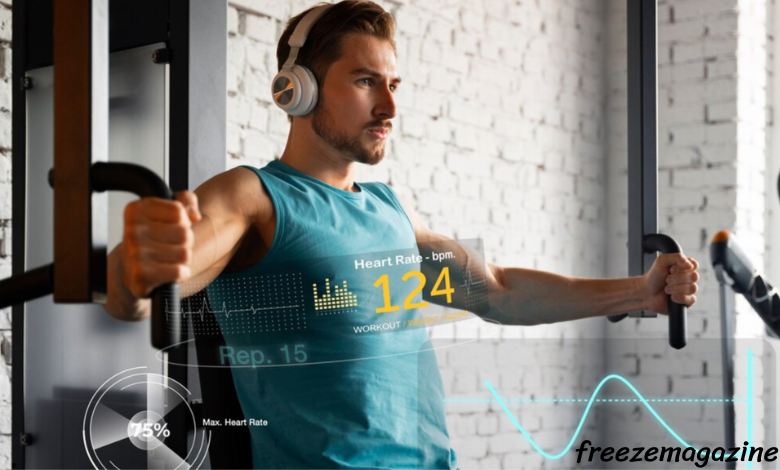
AI-powered gym apps are reshaping how members train and how fitness providers run their fitness businesses. These systems bring together sensor data, workout history, and real-time feedback to create sessions that feel tailored without adding new pressure on staff. For enterprises, the value sits in two areas: better member outcomes and more efficient use of coaching and operational resources. Many fitness service providers now explore these capabilities while planning new digital products with a gym application development company.
The shift is driven by clear expectations from today’s users. They want guidance that adjusts to their pace, form, and recovery. They also expect the same level of personalization they see in other digital services. Fitness businesses see a different need. They want stronger retention, predictable revenue, and data that supports smarter decisions. AI-driven fitness tools aim to meet both sides.
This post explains how custom fitness app development services shape the workout experience and what this means for product, technology, and business leaders planning future fitness offerings.
What AI-Powered Gym Apps Actually Do
Most enterprises want clarity before they plan a rollout. They need to know how these systems work, what data flows through them, and how each component affects the workout experience.
Adaptive Workout Planning
These apps build training plans based on each member’s history, goals, and recent performance. The plan updates over time as the system sees how the user responds to different exercises. This reduces the need for manual adjustments by staff and brings more consistency to member guidance.
Real-time Form Feedback
Computer-vision models read posture and movement through a phone or camera. They can count reps, flag poor form, and prompt corrections. This helps members train with better control and reduces the load on trainers for basic form checks.
Wearable and Equipment Data
Most solutions pull heart rate, sleep patterns, and activity data from wearables. Some also connect to gym equipment. Many enterprises expand this layer through smartwatch app development services to ensure stable data sync across major wearable platforms. This gives the app a clearer sense of the member’s capacity on a given day and adjusts the session intensity.
Coach and Program Dashboards
Fitness leadership teams can view trends such as adherence, performance shifts, and signs of low engagement. This supports earlier interventions and more focused communication with members.
How the System Fits Together
A typical setup has four layers:
- Device and sensor inputs.
- Data processing and standardization.
- Real-time decision engine.
- Member and business interfaces.
The main choices for enterprises relate to where processing should happen (device or cloud), how much data to store, and what controls to apply around access and privacy. These decisions shape the cost, performance, and compliance posture of the final system.
How These Capabilities Change the Workout Experience
AI-powered gym apps change both the member journey and the way fitness brands manage their fitness programs. The impact is direct, practical, and easy to measure.
Member Experience
Members expect guidance that adapts to their needs, not a static routine. This is where AI-powered gym apps change the pace of training. The system responds to real conditions, which helps members feel more supported during each session. Here is how:
- More relevant sessions
Members receive sessions based on their pace, form, and recovery. This reduces guesswork and gives them a plan that feels more personal than a fixed routine.
- Faster learning
Real-time prompts help members correct form, count reps, and maintain control. This builds confidence, especially for new users, and reduces common training errors.
- Flexible training paths
Members can train in the gym or at home with the same guidance system. This keeps them engaged even when schedules shift or facility visits drop.
Business Outcomes
Enterprises want measurable improvements, not just feature upgrades. These apps make it easier to track performance, predict risk, and guide resources toward the outcomes that matter most to the business. This includes but are not limited to:
- Higher engagement and retention
When sessions feel more tailored, members tend to return more often. This improves active-user trends and reduces churn, two metrics leadership teams track closely.
- Staff efficiency
Trainers spend less time fixing basic form issues or writing routine plans. Their time moves to higher-value tasks such as personalized support or targeted programs.
- Cleaner data for decisions
Aggregated performance and usage patterns give fitness organizations clearer signals. Decision makers can spot early churn risks, plan new programs, and build targeted offers for specific groups.
Enterprise Adoption Checklist: Engineering, Governance, and Commercial Gating Items
Technical leaders look for clear paths to integrate, govern, and maintain these systems at scale. The points below outline what most enterprise engineering and product teams examine before moving from a pilot to a full rollout.
Interoperability and System Integration
AI-powered gym apps sit on top of several data streams. Wearables, gym equipment, cameras, and membership systems all send different formats and event patterns. A stable deployment needs:
- Consistent SDK and API support for major wearables and equipment vendors.
- A normalization layer so heart rate, rep counts, posture signals, and activity data follow one schema.
- Clean connections to identity and billing systems, since member records must stay aligned across channels.
Enterprises often bring in a gym application development company when device coverage or system mapping becomes complex. Without these foundations, engineers run into data gaps, duplicate profiles, and sync delays that break the workout flow.
Data Governance and Privacy Rules
These apps process sensitive inputs. Some come from cameras, others from wearables. Compliance teams want firm answers on:
- Where the data sits and for how long.
- How access is logged.
- How deletion requests are handled.
- What encryption protects the data in each stage.
Consent flows also need clear language. This is important when real-time video or biometric data is part of the session. Enterprises prefer predictable data behaviour, even if it means limiting certain features.
MLOps and Model Reliability
Model behaviour must stay consistent as usage grows. This is why MLOps becomes a core part of deployment. Technical stakeholders need:
- Drift monitoring to spot when posture detection or session recommendations start missing patterns.
- Latency checks to ensure prompts arrive in time during active workouts.
- Rollback paths when a new model version behaves poorly in production.
- A retraining cycle supported by clean labels and curated input sets.
Without these controls, model quality drops quietly, and members see prompts that feel late, wrong, or inconsistent.
Safety and UX Controls
Real-time feedback must be accurate and safe. Enterprises set boundaries such as:
- Confidence thresholds for form correction.
- Limits on repeated prompts per set.
- Rules for sending certain alerts to a human coach instead of presenting them to the member.
These safeguards help avoid misguidance during workouts, especially with strength training where poor form can cause injury.
Deployment and Scale Planning
Rollouts typically start small. A facility group, a region, or a defined member segment is enough to validate technical stability and early results. During this stage, program managers track:
- Active users per week.
- Prompts delivered on time.
- Model accuracy under real conditions.
- Trainer hours saved.
Only after these benchmarks hold steady do they expand the deployment to more locations, device types, and programs.
Commercial and Procurement Considerations
Enterprises often use structured checklists for procurement. Key items include:
- Build vs buy decisions, based on time-to-market, IP priorities, and internal skill sets.
- SLA expectations, covering latency, uptime, and support needs.
- Partnership models with hardware vendors when mirrors, racks, or smart bikes are part of the setup.
Clear terms help plan long-term maintenance and support needs. Some firms also coordinate with smartwatch app development services when broad wearable coverage is part of the roadmap.
Common Issues Enterprises Should Plan
Many adoption challenges appear when product, engineering, or program management groups move from a pilot into early scale. These gaps are predictable and can be reduced when addressed before real users interact with the system. Some most common issues are:
- Personalization without enough content
- Pilots without clear KPIs
- Poor device integration planning
- Model updates without monitoring tools
- Unclear consent and data flows
Conclusion
AI-powered gym apps are shaping a new standard for workout experiences. They give members clearer guidance and give fitness businesses better control over performance, data, and cost. The gains come from practical changes: more accurate plans, safer sessions, and stronger engagement across channels.
For enterprises, the path forward is simple. Start with a focused pilot, measure real outcomes, and build a model that fits your systems and internal functions. With the right controls around data, models, and operations, these apps can become a steady part of a long-term fitness strategy.







Post Comment