Why Romford Keeps Drawing Buyers Out of East London
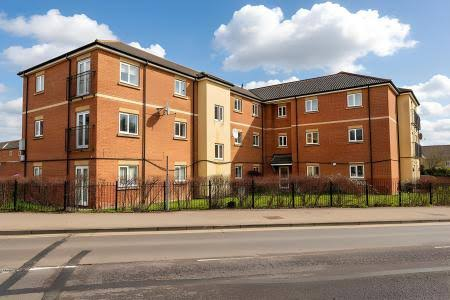
Romford offers buyers a combination of rail connections, established neighbourhoods and different types of housing. For people moving out of East London, the decision often comes down to how much living space they need and how far they are prepared to travel for work.
The town is more than a commuter stop. Its market, shopping areas, parks and surrounding residential districts give it a distinct identity. Understanding the differences between Romford’s neighbourhoods helps buyers assess whether the move offers the right balance of space, convenience and everyday costs.
Elizabeth Line Access Makes Romford a Practical Commuter Choice
Transport is one of the clearest reasons buyers consider moving further east. Romford station is served by the Elizabeth line, with direct services towards Stratford, Liverpool Street and other central London destinations. The station also provides National Rail connections, while the London Overground route towards Upminster offers another option for local travel.
Rightmove Guides
+1
The journey to work still depends on the final destination. Someone travelling to Liverpool Street has different requirements from someone working in Canary Wharf, the West End or outside London. Buyers should check their complete door-to-door journey, including the walk or bus trip between home and the station.
Road access also matters. The A12 connects the area with East London and Essex, while the M25 provides access for longer-distance journeys. These routes can be useful for households that combine rail travel with driving, although traffic conditions need to be considered before relying on estimated journey times.
Rightmove Guides
+1
Gidea Park Offers a Different Housing Environment
Gidea Park has a distinct residential character compared with Romford town centre. The area includes the Gidea Park Garden Suburb and the Exhibition Estate, where early twentieth-century planning and architectural features remain important to its identity. Buyers interested in period housing should examine individual properties rather than assuming that every street has the same style.
Living in Romford
+1
The area can appeal to households looking for established residential streets and a setting away from the busiest parts of the town centre. Its own Elizabeth line station also provides an alternative rail access point for local residents.
The trade-off is that property type, condition and location can make a significant difference to the overall cost of buying. Buyers should compare the space they need with the maintenance requirements of older homes, as well as the distance to transport and local services.
Collier Row and Rise Park: Compare Space with Daily Travel
Collier Row and Rise Park offer buyers further neighbourhoods to investigate beyond the central shopping and station areas. Collier Row is a more suburban residential district, while Rise Park includes established housing and quieter residential streets. The housing stock varies, so the right choice depends on the individual property rather than the neighbourhood name alone.
Estate Agents Ilford
These areas may be relevant for buyers who want to compare houses with gardens against flats or smaller properties closer to the station. However, additional space can come with a longer journey to rail services, shops or workplaces.
Before making an offer, test the journey from the specific property to your regular destination. Check local bus routes, parking arrangements and the time required to reach Romford station if rail commuting is part of your routine.
Harold Hill and Harold Wood Provide Further Options East of the Centre
Harold Hill is a residential area within Havering that buyers can include in a wider search around Romford. Its location away from the central town centre makes it important to assess local amenities and travel requirements on a property-by-property basis.
Harold Wood, meanwhile, has its own Elizabeth line station and provides another rail-connected option for buyers considering the wider area. This can be relevant for commuters who do not need to live immediately beside Romford station.
Living in Romford
+1
The main consideration is the relationship between housing requirements and daily convenience. A home with more outdoor space may suit a growing household, but buyers should also examine travel times, local facilities and the cost of maintaining the property.
Use the same comparison for every shortlisted area. Consider the full journey to work, the distance to essential services and the practical features of the home before deciding whether a location offers the right compromise.
Romford Town Centre Combines Amenities with a Busier Setting
Romford town centre has a different character from its surrounding residential districts. The historic Market Place, the Liberty Shopping Centre, The Brewery and other retail facilities contribute to its role as a local commercial destination. South Street and surrounding areas also have a nightlife offering, which means the centre can be busier in the evening than quieter residential streets.
Where in London
+1
Flats and apartments near the station may suit buyers who prioritise rail access and proximity to shops. Those seeking more outdoor space or a quieter setting may prefer to compare properties further from the centre.
The important distinction is not simply whether a home is close to the station. Buyers should assess noise, traffic, parking, outdoor space and the distance to the amenities they use most frequently. A central property and a suburban house can provide very different experiences, even when they are part of the same wider town.
What Buyers Should Check Before Moving from East London
Moving from East London to Romford should involve more than comparing asking prices. A home that appears to offer additional space may also involve different commuting arrangements, maintenance costs or transport requirements.
Before committing to a property, review the following:
- Complete commuting costs: Include rail fares, parking, bus journeys and any changes required during the working week.
- Property condition: Examine the age of the building, insulation, windows, roof and likely maintenance requirements.
- Local facilities: Check access to shops, healthcare, schools and green spaces that matter to your household.
- Neighbourhood setting: Visit at different times to assess traffic, noise, parking and the general surroundings.
- Future plans: Review relevant planning applications and local development proposals that could affect the property or its surroundings.
- Flood risk: Check the specific address through the Environment Agency’s flood risk information where relevant.
A local property professional can help you compare available homes against your priorities. If you are assessing different parts of the town, speaking with estate agents in Romford can provide a starting point for understanding the local housing options.
The most useful comparison is between actual properties, not just neighbourhood reputations. Visit shortlisted homes, test the journeys and calculate the costs that will affect your household after moving.
Frequently Asked Questions About Buying in Romford
Is Romford a good option for buyers moving out of East London?
Romford offers rail connections, a substantial town centre and a range of residential neighbourhoods. It can be worth considering for buyers who want to compare housing options further east while retaining access to London. The right choice depends on budget, commuting requirements, property type and preferred surroundings. Check individual locations rather than assuming the whole town offers the same experience.
Which areas of Romford are worth considering for families?
Gidea Park, Collier Row, Rise Park and Harold Hill are areas to include in a family home search. They have different residential characteristics and transport arrangements, so the suitability of each depends on the property and your household’s needs. Compare garden space, schools, parking, local facilities and commuting times before making a decision.
How long does it take to travel from Romford to central London?
Journey times depend on the destination, service and time of travel. Romford has Elizabeth line connections towards Liverpool Street and other central London locations. Check the current timetable for your specific destination and include the time needed to reach the station. A complete door-to-door journey is more useful than a train journey estimate alone.
Is Romford town centre suitable for buyers who want convenience?
The town centre provides access to shopping, services, the market and rail connections. It may suit buyers who prefer living close to amenities and do not need a large garden. The centre can also be busier and noisier than residential areas further out. Visit the property at different times and check parking, sound levels and outdoor space before buying.
What should I compare when choosing between Romford neighbourhoods?
Start with your required property type, budget and regular journeys. Then compare specific homes based on condition, space, transport access, parking and local facilities. Check the costs associated with each property, including maintenance and commuting. Visiting neighbourhoods at different times of day will help you assess practical differences that may not be clear from an online listing.










Post Comment