Beginner Pilates classes in Greenwich: how to find the right studio for you
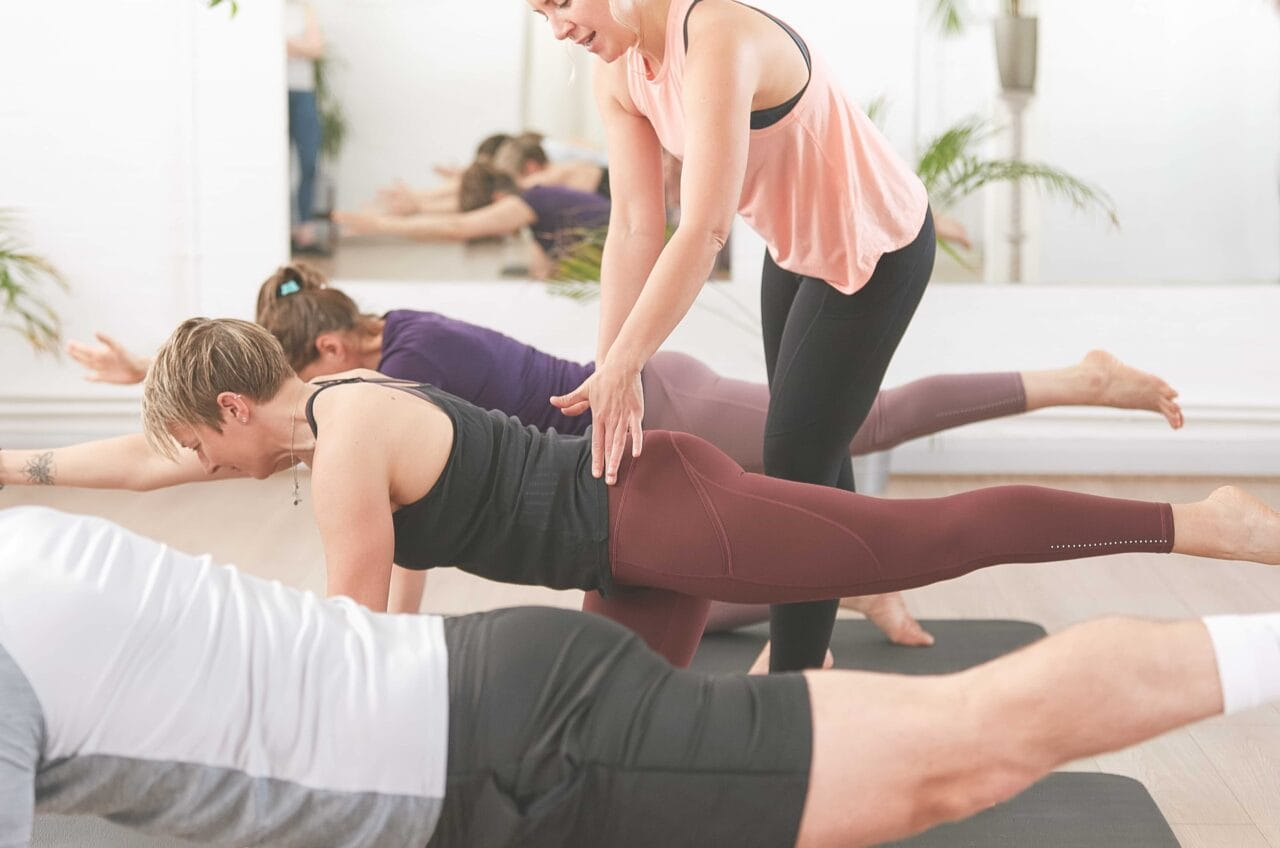
The best beginner Pilates class in Greenwich is one with a certified instructor, a group small enough that you actually get looked at, and clear cues pitched at your level, and modifications that are just built into the class rather than offered as an afterthought. Location helps, but showing up every week matters more, so pick something you can realistically get to.
Picking a Pilates class as a total beginner is not really about which studio is closest to you. It’s about picking the right first class. Greenwich is small enough that mat studios, reformer studios, private instructors, and mixed-level groups are often within a few streets of each other, and honestly, booking the wrong one is a fast way to put someone off Pilates for good before they have even properly started.
This guide covers what a genuinely beginner-friendly class looks like, how to compare studios in SE10 without it turning into a full research project, and the questions to ask before you hand over any money.
Why Pilates works well for beginners
Pilates is a decent entry point because it’s low-impact and endlessly adjustable. Nearly every move can be scaled up or down without changing what it actually is, which is part of why the NHS lists it as suitable for people of pretty much any age or fitness level. That matters more than it sounds. A lot of people coming back to exercise are doing it after a year at a desk, after having kids, after an injury, or just after a long stretch of not moving much at all. Pilates gives that group room to relearn how their bodies move before anyone asks them to push harder.
Stick with it, and you will usually notice improvements in:
- Core strength and deep abdominal control.
- Body awareness and coordination.
- Flexibility and range of motion.
- Posture and spinal alignment.
- Balance and joint stability.
- Breathing Control.
- General confidence around movement.
What a good beginner Pilates class looks like
A good beginner class feels unhurried and clearly explained. If something’s labeled beginner but runs at the pace of a general mixed class, it is not really a beginner class; it’s just a normal class with a friendlier name on the timetable.
A few things tend to separate the studios that genuinely cater to beginners from the ones that just say they do.
- The instructor explains things in plain English. Good cueing tells you what to move, where you should feel it, and how to back off if it’s uncomfortable, without burying you in anatomical terms. Think along the lines of “keep your ribs soft”, “no rush, move slowly”, “breathe out as you lift”, or “stop if anything feels sharp.” That’s the level a beginner needs.
- The class stays small. In a packed room, an instructor simply can’t check everyone’s form, and beginners are usually the ones who need that check the most. Smaller groups also make it far less intimidating to put your hand up and ask something.
- Modifications are already built in, not tacked on. Tight hips, a dodgy lower back, general de-conditioning, these are all completely normal starting points, and a decent instructor will have easier and harder options ready without singling anyone out.
- Nothing feels rushed. Early on, taking the time to set up properly and breathe through a movement matters more than cramming in exercises. Fast-paced flow classes have their place, but usually later, once you’re not just copying shapes.
Main types of Pilates classes
Most beginners see “mat”, “reformer”, “private,” and “group” on a timetable and book something without really knowing what they’re choosing. Quick breakdown:
- Mat Pilates for beginners is the simplest starting point, using bodyweight and controlled breathing on a mat, sometimes with light kits like resistance bands or small balls. It suits you if you want an affordable entry point, something you can keep up at home, and a straightforward introduction to core and posture work.
- Reformer Pilates for beginners uses a machine with a sliding carriage, springs, straps, and a footbar. It looks a bit intimidating at first glance, but with the right instructor, it can actually click faster than mat work because the springs give you feedback as you move, so your body picks up the pattern quicker. It suits you if you like guided movement, want resistance-based strength work, or prefer tighter class sizes, since reformer classes are usually capped at a lower number than mat ones. Just make sure you’re booking something specifically labelled beginner or intro to reformer, not a general class.
- Private sessions are one-to-one with an instructor. They cost more, but they’re worth thinking about if you’re coming back from injury, dealing with a nagging back issue, or just genuinely nervous about group settings. Even a session or two privately can be enough to walk into a group class with confidence.
- Mixed-level classes only work for beginners if the instructor is genuinely offering options at every level. If the class description assumes you already know what “neutral spine” means, that’s not really a beginner-friendly class, whatever it’s labelled. When in doubt, book a true beginner class first.
How to compare local Pilates studios in Greenwich
Search “Pilates studio near me Greenwich,” and you’ll get plenty back, but proximity is only one piece of it. Teaching quality and how the room feels matter more, especially in the first few weeks.
A few things worth actually checking:
- Read the class descriptions properly. Words like “suitable for beginners”, “no experience needed”, “fundamentals” or “form-focused” are good signs. Words like “advanced”, “dynamic,” or “intense” usually aren’t, at least not for your first class.
- Check instructor qualifications. This matters more for beginners than for anyone else, because you don’t yet have the body awareness to notice if a class is teaching you poorly. If a studio’s website says nothing about instructor training, it’s worth just asking.
- Read reviews for the right kind of detail. Star ratings alone don’t tell you much. Look for mentions of friendly instructors, small class sizes, clear explanations, or helpful corrections. “Hardest class I’ve ever done” might be an honest review, but it’s not necessarily what a new starter is after.
| Don’t filter on price alone. A cheap class with twenty-five people and no real individual guidance is often a false economy. A moderately priced class with a smaller group and better cueing usually gets you more per pound. When you’re weighing up affordable Pilates classes in Greenwich, look past the headline price to class size, instructor experience, and what the intro offer and cancellation policy actually cover. |
Common mistakes beginners make when choosing a class
Most first-class regrets come down to the same handful of things.
- Booking something too far in advance because it looked more exciting online is a common one. Advanced Pilates just feels frustrating without the basics, and you end up copying shapes rather than understanding them, which teaches poor patterns from the start.
- Filtering on price alone is another. Pilates is a technique-heavy practice, so a poorly taught, cheap class isn’t really a bargain; it can leave you sore, confused, and convinced Pilates “isn’t for you” when the real issue was the teaching.
- Expecting quick results trips people up, too. Strength, posture, and control are built with consistency, not intensity. A fairer test is judging it after six weeks of regular classes, not after your first session.
- Comparing yourself to the person next to you doesn’t help either. Someone moving with more control has usually just been doing it longer; it’s got nothing to do with where you’re starting from.
- Not mentioning to the instructor that you’re new is a small thing that changes a lot; it affects how they cue, where they stand, and what they watch for.
- And pushing through pain is worth flagging directly: Pilates can feel challenging; it shouldn’t feel sharply painful. A good instructor would rather adjust the movement than watch you push through it.
What to expect at your first class
Your first class will probably feel slower than you expect, and that’s on purpose. Most beginner classes open with breathing, posture, and basic activation before anything that looks like a “real” exercise. It can feel underwhelming for the first ten minutes and then surprisingly demanding for the next thirty.
On a mat, you’ll be doing bodyweight movements on the floor. On a reformer, the instructor should walk you through the machine, the springs, the straps, and the safety points before anything else happens.
Small movements will feel harder than they look, that’s normal, Pilates works deep stabilising muscles that everyday activity mostly ignores. You’ll probably hear terms like neutral spine, core engagement, pelvic position, and shoulder stability repeated a fair bit; that repetition is deliberate.
Afterwards, most people feel a bit taller, more aware of their posture, and gently work through the core and hips. Some soreness the next day or two is normal.
How often should a beginner do Pilates?
Once or twice a week is a sensible starting point for most people, enough to build familiarity without overwhelming a body that’s still learning the movements.
A realistic way to build up: one class a week for the first fortnight to settle in, then one to two a week from week three, adding a second once the first feels comfortable. After about six weeks, you could add a third class or try the other style, reformer, if you started on mat, or the other way round.
For posture and general strength, steady weekly attendance beats short bursts of intensity. One good class a week consistently is worth more than five crammed into ten days, followed by a month off.
How to tell if a studio is the right fit
You’ll usually know within a few sessions. The signs of a good fit are pretty consistent: you feel welcomed, safe, guided when you need it, comfortable enough to ask questions, and clear on what to book next. You shouldn’t feel embarrassed for being new, ignored during the class, or pushed into movements your body isn’t ready for.
The right studio builds your confidence, not just your workout.
FAQs
What are the best beginner Pilates classes in Greenwich?
Look for certified instructors, small class sizes, beginner-appropriate cues and built-in modifications. Classes labelled beginner, fundamentals, or intro with instructor support are the ones to shortlist.
Is Pilates suitable for complete beginners?
Yes, It’s built around controlled movement, posture, and breathing, which makes it one of the more accessible ways to start structured exercise. Most complete beginners do best in a dedicated beginner mat class, a beginner-specific reformer class, or a private session or two before joining a group.
What should I wear to a first Pilates class?
Fitted, comfortable clothing you can move in. Very loose clothing makes it harder for an instructor to see your alignment. Reformer studios usually ask for grip socks, so it’s worth checking with the studio beforehand.
Is reformer Pilates suitable for beginners?
Yes, as long as it’s a class designed for beginners and the instructor actually takes the time to explain the machine. Skip general or advanced reformer classes until you’re familiar with the basics.
How much do beginner Pilates classes in Greenwich cost?
It varies by studio, class type, and group size. Mat classes tend to be the most affordable, while reformer and smaller group sessions cost more because of the equipment and closer attention involved. Most studios offer intro packages that work out cheaper per class than standard drop-in rates.
How often should I do Pilates as a beginner?
Once or twice a week is the standard starting point. It gives your body time to actually learn the movements between sessions.
Can Pilates improve posture?
It can do so by strengthening the muscles that support the spine and building general body awareness. How much depends on consistency and teaching quality.
Final thought
Finding the right beginner Pilates class in Greenwich isn’t about picking the first studio that comes up on Google. It’s about finding a class you actually want to come back to next week. Check the class level, the instructor’s experience, how small the group is, and whether the location genuinely fits your routine. You don’t master Pilates on day one. You build it into a habit, with a good first class, a patient instructor, and enough confidence to keep showing up.









Post Comment