How Later-Life Downsizers Are Reshaping Demand in Hale and Bowdon in 2026
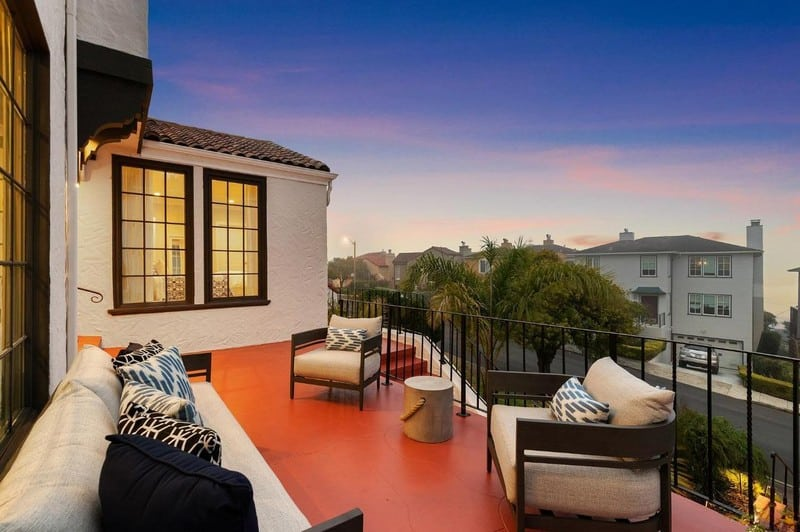
Downsizing has become one of the quieter but most influential forces in the South Manchester and Cheshire-fringe housing market. In affluent postcodes such as Hale, Hale Barns and Bowdon, owners of large family houses are increasingly choosing to trade square footage for convenience, lower running costs and a more manageable home. For anyone tracking where demand is heading in 2026, this cohort is worth understanding in some detail.
Who is downsizing, and why now
The typical downsizer in WA14 and WA15 is in their late fifties to seventies, often with adult children who have left home. The decision is rarely made lightly, since it usually means leaving a house full of memories, but several pressures are converging in 2026 that tip the balance:
- Energy costs have made large, older houses more expensive to heat and run.
- Maintenance of a substantial detached property becomes less appealing with age.
- Releasing equity from a high-value home can support retirement, gifts to family, or care planning.
- A wish to be closer to shops, healthcare and transport without relying on a car for every errand.
ONS population data points to a steadily ageing profile across much of the North West, and the Cheshire fringe is no exception. That demographic weight is one reason well-configured smaller homes now attract strong competition, and it is a trend that shows no sign of reversing over the coming years.
What downsizers actually want
The assumption that downsizers simply want something smaller is only half right. In practice the sought-after specification is fairly consistent. Buyers want a lock-up-and-leave feel, a low-maintenance garden or none at all, and proximity to Hale village amenities so a car is not essential for everyday errands. Single-level living, or at least a ground-floor bedroom option, features heavily on wish lists, as does secure parking and good natural light.
This has real pricing consequences. A well-presented two or three-bedroom apartment or bungalow in the right pocket of Hale can generate more competitive interest per square foot than a tired five-bedroom house nearby. The scarcity of suitable stock is the recurring theme when you look through homes for sale in the Hale area, where quality downsizer-friendly properties tend to move quickly and often attract several interested parties.
The knock-on effect on family housing
When downsizers release larger houses back onto the market, they create movement in the family-home segment that upsizers depend on. In a district where Land Registry figures show detached values well above the regional average, that chain dynamic matters a great deal. A stalled downsizer market tends to slow the whole local chain, while an active one keeps transactions flowing and helps growing families find the space they need.
This is one reason local agents watch the downsizer segment closely. It is a leading indicator for the wider market, and its health often signals how freely homes will change hands across the rest of the year.
Practical considerations for a 2026 downsize
- Model the true cost saving, including service charges on apartments, before assuming a smaller home is cheaper to run.
- Consider stamp duty on the onward purchase when budgeting the move.
- Think about future accessibility, not just current needs.
- Get an honest valuation of the existing home early, as pricing the sale correctly is what unlocks the whole move.
- Declutter and prepare the family home for sale well before listing, as presentation strongly affects the price achieved.
Downsizing is rarely a purely financial decision, but in 2026 it is reshaping demand across Hale and Bowdon in ways that ripple through the entire local market. For buyers and sellers alike, understanding this cohort is increasingly part of reading the area accurately, and it is likely to remain a defining feature of the market for years to come.










Post Comment