How to Prepare for a Farmers Market Visit
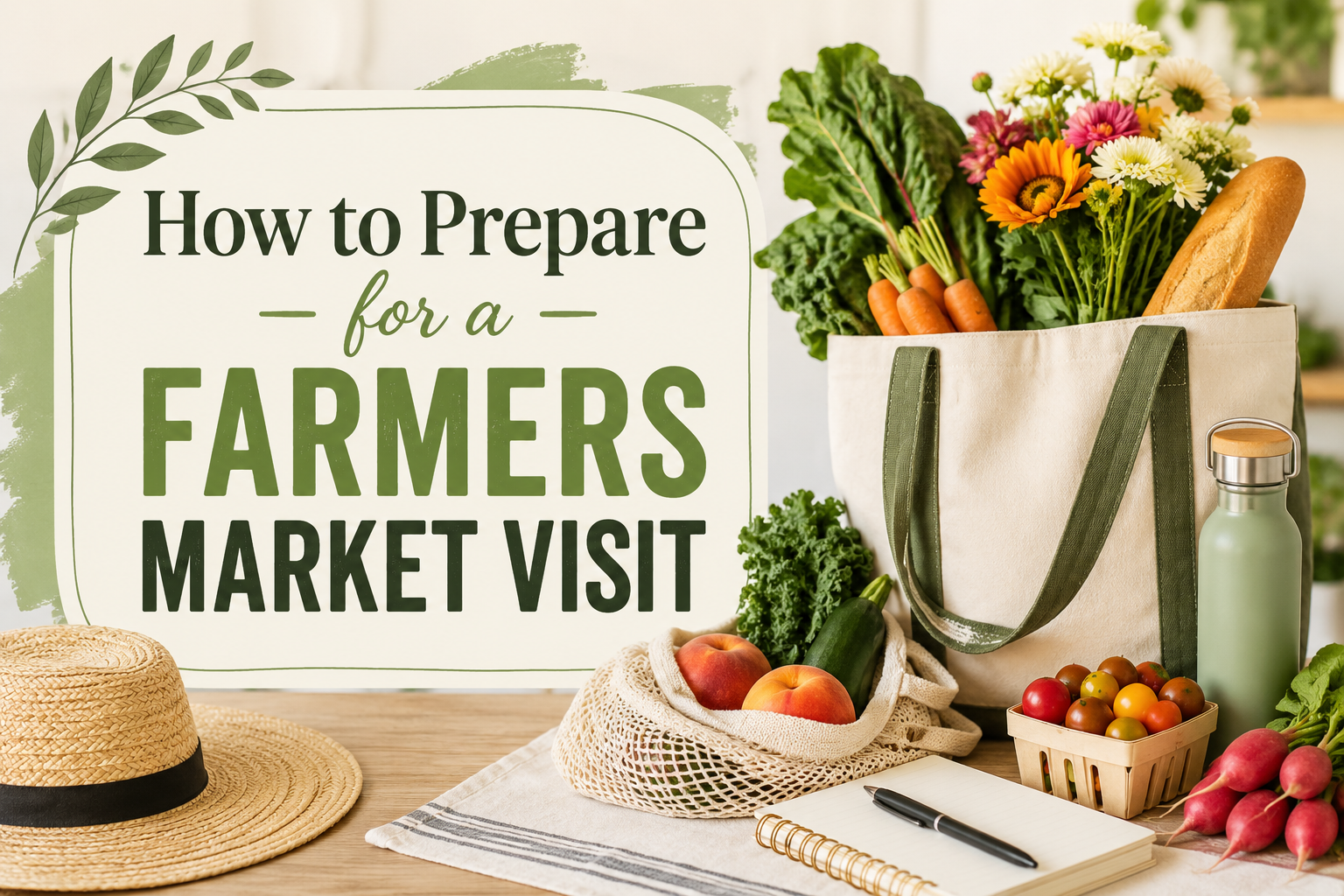
Table of Contents
- Introduction
- Make a Flexible Shopping Plan
- Bring the Right Bags and Containers
- Carry Small Comfort Essentials
- Shop Seasonally and Talk to Vendors
- Store Your Purchases Properly
- Conclusion
Introduction
A farmers market visit is more than a simple shopping trip. It is a chance to buy fresh produce, support local growers, discover handmade products, and enjoy a slower, more personal way of shopping. Markets often offer seasonal vegetables, fruit, flowers, bread, eggs, honey, crafts, and specialty foods that may not be available in regular supermarkets.
However, a market visit can become inconvenient if you arrive unprepared. You may buy more than expected, carry heavy produce, forget cash, or struggle to protect delicate items. A little planning helps you shop comfortably, reduce disposable packaging, and bring home better-quality goods.
Make a Flexible Shopping Plan
Farmers’ markets are seasonal and unpredictable. Products can change depending on harvest timing, weather, and vendor availability. Instead of writing a strict list, create a flexible plan based on categories.
Useful categories include:
- Fresh vegetables
- Seasonal fruit
- Leafy greens
- Bread or pastries
- Local eggs
- Flowers
- Herbs
- Honey or jam
- Handmade gifts
A flexible list keeps you focused without limiting you. For example, instead of writing “strawberries,” you might write “fresh fruit.” If strawberries are not available, you can choose peaches, apples, or berries that look better that day.
It is also helpful to set a budget before you arrive. Markets can be full of tempting items, and a simple budget helps you enjoy browsing without overspending.
Bring the Right Bags and Containers
Farmers’ market purchases vary in size and weight. A bunch of carrots, a loaf of bread, a jar of honey, and a bouquet all need different handling. Bringing reusable shopping bags makes the visit easier and reduces the need for disposable bags from vendors.
Consider bringing:
- One large sturdy bag for heavier produce
- Small produce bags for fruit and vegetables
- A separate bag for bread or baked goods
- A cooler bag for dairy, eggs, or meat
- Small containers for berries or delicate items
- A flower sleeve or extra wrap for bouquets
A strong canvas market bag is especially useful because it can hold heavier items while still being comfortable to carry. It also fits the casual, natural style of a local market visit.
Carry Small Comfort Essentials
Markets often involve walking, standing, and browsing outdoors. A few small items can make the experience more comfortable, especially during warm weather or busy weekends.
Helpful essentials include:
- Water bottle
- Sunglasses
- Hat
- Hand sanitizer
- Small towel
- Cash and card
- Phone
- Shopping list
- Lightweight jacket if the weather changes
Comfortable shoes are also important. Farmers markets may be held in parking lots, parks, streets, or open fields, so you may spend more time walking than expected.
Shop Seasonally and Talk to Vendors
One of the best parts of a farmers market is the opportunity to speak directly with sellers. Vendors often know when produce was picked, how to store it, and how to cook it.
Good questions to ask include:
- What is best this week?
- How should I store this item?
- How long will it stay fresh?
- Do you have cooking suggestions?
- Will this product be available next week?
Shopping seasonally can help you find better flavor and sometimes better prices. It also encourages you to try new ingredients and adjust meals based on what is fresh.
Store Your Purchases Properly
When you get home, sort your purchases right away. Proper storage helps reduce food waste and keeps everything fresh longer.
Helpful storage habits include:
- Keep delicate fruit separate from heavy produce
- Refrigerate berries quickly
- Wrap greens loosely before storing
- Store herbs in water or a damp towel
- Keep bread in a breathable bag
- Use older produce first
If you bought more than planned, consider freezing, sharing, or preparing ingredients early.
Conclusion
A farmers’ market visit is more enjoyable when you come prepared. With a flexible shopping plan, practical bags, small comfort essentials, and proper storage habits, you can support local sellers while reducing waste and bringing home fresh, useful products.










Post Comment