How Improper AC Installation Leads to Poor Cooling Efficiency, High Energy Bills, and Frequent Repair Issues
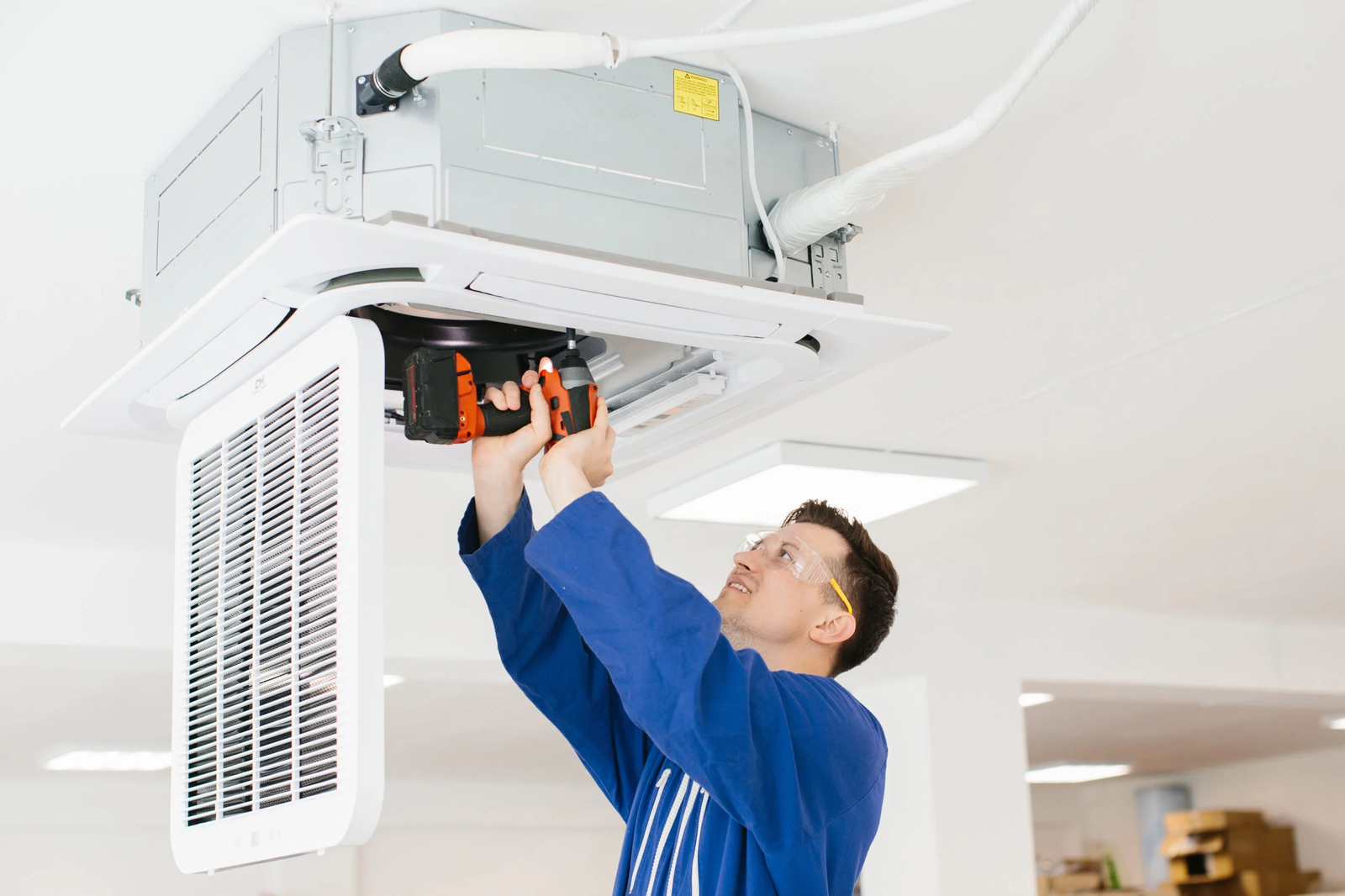
In today’s world, indoor comfort has become a fundamental requirement rather than a luxury, notes Draper Realty specialists. Whether in homes, offices, commercial buildings, or industrial facilities, maintaining a stable indoor temperature is essential for productivity, health, and overall well-being. As global temperatures continue to rise and building designs become more energy-efficient and airtight, the demand for reliable cooling systems has increased significantly. A properly designed and installed cooling system not only enhances comfort but also improves energy efficiency, indoor air quality, and long-term cost savings.
One of the most important steps in achieving efficient indoor climate control is ac installation, a process that involves selecting, positioning, configuring, and testing a cooling system to ensure optimal performance. Unlike simple appliance setup, installing a cooling system requires technical expertise, precise calculations, and a deep understanding of building structure, airflow dynamics, and electrical requirements. A poorly installed system can lead to uneven cooling, excessive energy consumption, frequent breakdowns, and reduced equipment lifespan. On the other hand, a professionally installed system delivers consistent performance, lower utility bills, and improved indoor comfort for many years.
Modern cooling systems are far more advanced than older models. They include smart thermostats, energy-efficient compressors, inverter technology, multi-stage cooling functions, and advanced filtration systems. These innovations make proper installation even more critical because system performance depends heavily on correct sizing, placement, and calibration. Even the most advanced unit will not function efficiently if it is installed incorrectly or mismatched with the building’s cooling requirements.
Understanding the Importance of Proper System Setup
Installing a cooling system is not simply about mounting equipment and connecting power. It involves a detailed evaluation of the building’s structure, insulation levels, room sizes, ventilation pathways, and heat load requirements. Every building has unique cooling needs based on its design, occupancy, and environmental conditions. A system that is too small will struggle to cool the space effectively, while an oversized system may cycle on and off too frequently, wasting energy and reducing comfort.Proper system setup begins with load calculation, which determines how much cooling capacity is required for a specific space. This calculation takes into account factors such as window size, ceiling height, sunlight exposure, insulation quality, and the number of occupants. Without accurate load assessment, even high-quality equipment may fail to deliver satisfactory performance.
Airflow design is another critical factor. Cooling systems rely on proper air distribution to maintain consistent temperatures throughout a building. Poor duct design or incorrect placement of indoor units can result in hot and cold spots, uneven cooling, and reduced efficiency. Professional installation ensures that airflow is balanced and optimized for the entire space.Electrical configuration is equally important. Cooling systems require stable power supply and correctly sized electrical components to operate safely and efficiently. Improper wiring or insufficient electrical capacity can lead to system failures, safety hazards, or reduced performance.
Types of Cooling Systems and Their Installation Requirements
Different types of cooling systems are available depending on building size, usage, and design preferences. Each system has its own installation requirements and benefits, making it important to choose the right solution for specific needs.
Split systems are among the most commonly used residential cooling solutions. They consist of an indoor unit and an outdoor compressor unit connected through refrigerant lines. These systems are popular because they are relatively easy to install, energy-efficient, and suitable for single rooms or small spaces. Proper installation ensures correct refrigerant levels, secure mounting, and optimal airflow distribution.
Central cooling systems are designed for larger buildings and provide uniform cooling across multiple rooms through a network of ducts. These systems require more complex installation, including ductwork design, insulation, and precise system balancing. When installed correctly, central systems offer excellent comfort and energy efficiency for large residential and commercial spaces.
Ductless mini-split systems are another modern solution that eliminates the need for extensive ductwork. These systems are ideal for buildings where installing ducts is not practical. Each indoor unit operates independently, allowing for zoned cooling and improved energy control. Installation requires careful placement of indoor units and proper connection to the outdoor compressor.Portable cooling units offer flexibility and are typically used for temporary or supplemental cooling. While they require minimal installation, they still need proper ventilation to expel warm air effectively.
The Role of Professional Expertise in Installation
Professional expertise plays a crucial role in ensuring that cooling systems operate efficiently and safely. Skilled technicians are trained to evaluate building requirements, recommend suitable equipment, and perform precise installation procedures that maximize system performance.During ac installation, professionals follow a structured process that includes system selection, site inspection, mounting, electrical setup, refrigerant handling, duct configuration, and final testing. Each step must be completed accurately to ensure long-term reliability. Incorrect installation can lead to refrigerant leaks, poor airflow, excessive noise, and reduced system efficiency.
One of the most important aspects of professional installation is equipment sizing. Technicians use specialized tools and calculations to determine the correct cooling capacity needed for a building. This ensures that the system operates efficiently without unnecessary strain or energy waste.Proper sealing and insulation are also essential for maintaining energy efficiency. Even small leaks in ductwork or refrigerant lines can significantly reduce performance and increase operating costs. Professionals ensure that all connections are secure and properly insulated to prevent energy loss.
Testing and calibration are the final steps in the installation process. Once the system is installed, technicians run performance tests to verify airflow, temperature control, and overall efficiency. Any necessary adjustments are made to ensure optimal operation before the system is fully commissioned.
Energy Efficiency and Long-Term Cost Savings
Energy efficiency is one of the most important considerations when installing a cooling system. Modern systems are designed to reduce energy consumption while delivering consistent comfort. However, efficiency depends heavily on proper installation and system configuration.
A correctly installed system operates smoothly without unnecessary strain on components. This reduces energy consumption and helps lower monthly utility bills. In contrast, poorly installed systems often work harder to achieve the same cooling effect, resulting in higher energy usage and increased operational costs.Inverter technology has significantly improved energy efficiency in modern cooling systems. Unlike traditional systems that operate at full power or shut off completely, inverter systems adjust compressor speed based on cooling demand. This allows for more stable temperatures and reduced energy waste.
Smart thermostats also contribute to energy savings by allowing users to control temperature settings more precisely. Some systems can automatically adjust cooling based on occupancy patterns, reducing unnecessary energy use when spaces are unoccupied.
Proper insulation and sealing during installation further enhance efficiency by preventing cool air from escaping and warm air from entering indoor spaces. This reduces system workload and improves overall performance.
Indoor Comfort and Air Quality Benefits
A properly installed cooling system does more than regulate temperature; it also improves indoor air quality and overall comfort. Modern systems often include filtration features that help remove dust, allergens, and airborne particles from circulating air. This creates a healthier indoor environment, especially for individuals with respiratory conditions or allergies.
Humidity control is another important benefit of well-installed cooling systems. Excess humidity can make indoor spaces uncomfortable and encourage mold growth. Cooling systems help maintain balanced humidity levels by removing excess moisture from the air during operation.Consistent temperature distribution is also a key factor in indoor comfort. Proper installation ensures that air is evenly distributed throughout all areas of a building, eliminating hot or cold spots. This creates a more stable and comfortable environment for occupants.
Noise reduction is another advantage of modern installation practices. When systems are installed correctly and components are properly secured, operational noise is minimized, creating a quieter indoor environment.
Common Installation Mistakes and Their Impact
Improper installation can lead to a wide range of performance issues and long-term complications. One of the most common mistakes is incorrect system sizing, which can result in inefficient cooling and increased energy consumption. Oversized systems tend to short-cycle, while undersized systems struggle to maintain desired temperatures.
Poor duct design or improper airflow planning can also significantly reduce system efficiency. Blocked or poorly insulated ducts lead to uneven cooling and energy loss. Similarly, incorrect refrigerant levels can cause cooling inefficiency, compressor strain, and potential system failure.Electrical mistakes are another serious concern. Incorrect wiring or insufficient power supply can damage system components or create safety hazards. Professional installation ensures that all electrical connections meet safety standards and system requirements.
Improper placement of indoor and outdoor units can also affect performance. Outdoor units require adequate ventilation and clearance to function effectively, while indoor units must be positioned to ensure balanced airflow throughout the space.
Maintenance and Long-Term System Performance
After ac installation, regular maintenance is essential for preserving system efficiency and extending equipment lifespan. Routine servicing includes cleaning filters, inspecting coils, checking refrigerant levels, and testing system performance. Neglecting maintenance can lead to reduced efficiency, higher energy consumption, and increased risk of breakdowns.
Systems that receive regular maintenance typically last longer and perform more efficiently over time. Preventive care helps identify potential issues early, reducing the likelihood of major repairs or system failure.
Professional maintenance also helps maintain indoor air quality by ensuring that filters and ventilation components remain clean and functional. This contributes to a healthier indoor environment and consistent cooling performance.
Conclusion
Modern indoor climate control depends heavily on proper system design, installation, and maintenance. A well-executed ac installation ensures that cooling systems operate efficiently, provide consistent comfort, and deliver long-term energy savings. From accurate load calculations and airflow design to electrical setup and system calibration, every step in the installation process plays a critical role in overall performance.
As cooling technology continues to evolve, professional installation becomes even more important for maximizing the benefits of advanced features such as inverter technology, smart thermostats, and energy-efficient compressors. Properly installed systems not only enhance indoor comfort but also contribute to lower energy costs, improved air quality, and greater environmental sustainability.Investing in professional installation and ongoing maintenance ensures that cooling systems remain reliable, efficient, and capable of meeting the demands of modern living and working environments.










Post Comment