Is Sittingbourne Kent’s Most Affordable Investment Hub? 2026 Data Insights
Finding value in the Kent property market often feels like a game of cat and mouse. Just as you identify a promising pocket, the secret gets out, prices spike, and the yields that once looked so juicy start to wither. But for those looking at the North Kent corridor, Sittingbourne remains a fascinating case study in resilience and untapped potential. While the glossier headlines often focus on the cathedral spires of Canterbury or the leafy lanes of Sevenoaks, savvy investors are looking toward this historic industrial town. It offers something increasingly rare in the South East: a genuine balance between entry-level affordability and robust capital growth.
The massive expansion of remote and hybrid working means the definition of a “commutable distance” has stretched. People are no longer just looking for a 30-minute dash to London Bridge; they are looking for space, community, and a mortgage that doesn’t swallow their entire take-home pay. This is where Estate agents in Sittingbourne see the most movement, as families and young professionals migrate eastwards in search of better value without sacrificing connectivity.
In this guide, we’ll dive deep into the data, the local developments, and the shifting demographics that are positioning Sittingbourne as a primary contender for Kent’s most affordable investment hub. Whether you are a seasoned landlord with a sprawling portfolio or a first-time investor looking for a safe place to park your capital, the Sittingbourne narrative is one you cannot afford to ignore.
The Sittingbourne Advantage: Beyond the Commuter Cliche
Sittingbourne has long carried the reputation of being a “workhorse” town. Its roots are deep in brick-making and paper milling—industries that built the very fabric of London. Today, that industrial heritage provides a sturdy backbone for a town that is rapidly reinventing itself. Unlike some commuter towns that feel like “dormitories”—empty by day and exhausted by night—Sittingbourne has its own self-sustaining economy.
The town is strategically positioned. You have the M2 and A2 on your doorstep, providing a direct artery into both the capital and the coastal ports. But the real game-changer is the rail link. The High Speed 1 (HS1) service transformed the expectations of local residents. Being able to reach London St Pancras in around an hour has effectively bridged the gap between Kentish cost of living and London wages.
From an investment standpoint, this connectivity creates a “floor” for property values. Demand remains consistent because the town serves multiple masters. It appeals to the local workforce employed in the thriving distribution and manufacturing sectors, and it appeals to the London-bound professional who wants a garden and a home office for the price of a studio apartment in Zone 3.
Yields, Prices, and Potential: The Numbers That Matter
When you strip away the marketing fluff, property investment comes down to two things: yield and capital appreciation. In much of West Kent, high entry prices have compressed yields to a point where many buy-to-let properties barely break even on a monthly basis. In Sittingbourne, the math still works in the investor’s favour.
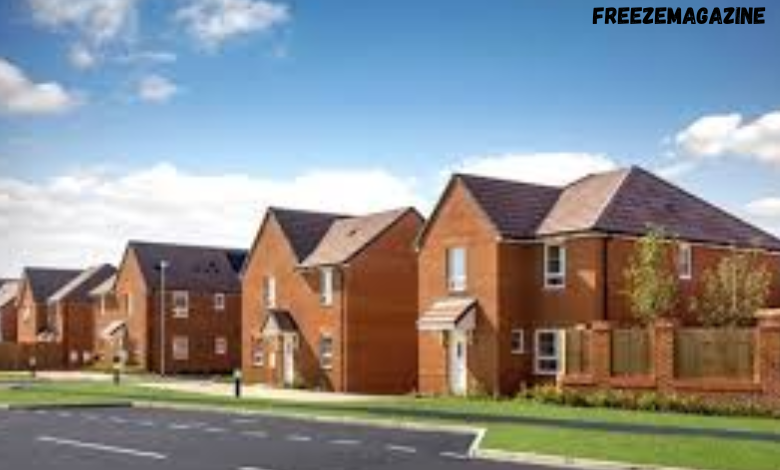
Average house prices in Sittingbourne consistently sit below the Kent average. While towns like Tunbridge Wells might see average prices pushing well past the £500,000 mark, Sittingbourne offers a variety of stock—from Victorian terraces to modern semi-detached homes—at significantly more accessible price points. For an investor, this lower entry cost means higher leverage and, crucially, a better gross yield.
Rental demand is another pillar of the Sittingbourne market. We have seen a steady influx of tenants who are being priced out of nearby Maidstone and Medway. These aren’t just transient renters; we are seeing a rise in long-term family tenancies. For a landlord, a family tenancy often means lower turnover, fewer void periods, and a tenant who treats the property as a home rather than a temporary stopover. This stability is the “secret sauce” of a successful long-term investment.
Regeneration and Future-Proofing Your Portfolio
You should never buy a property based solely on what it is today; you buy it for what it will be in five or ten years. Sittingbourne is currently in the midst of a multi-million-pound transformation. The “Spirit of Sittingbourne” project has already brought a new cinema, retail units, and improved public spaces to the town centre.
Regeneration acts as a powerful catalyst for house price growth. It changes the “feel” of a town, attracting a different demographic of buyers and renters who bring higher disposable incomes. We are seeing more independent cafes, better gym facilities, and a general lifting of the town’s aesthetic.
For the investor, this means the “gentrification” tailwind is at your back. Areas close to the station and the newly developed town centre are seeing the most significant interest. Even the older, traditional residential streets are benefiting from the “halo effect” of the new developments. If you can identify properties on the fringes of these regeneration zones, you are often looking at the highest potential for capital uplift.
Residential vs. Commercial: Identifying the Sweet Spot
While the residential market is the most common entry point, it is worth noting the diversity of opportunities in Sittingbourne. The town’s industrial estates, such as Eurolink, are among the largest in the county. This creates a huge demand for worker accommodation.
Some investors have found great success with Houses in Multiple Occupation (HMOs), particularly those aimed at professional contractors or local workers. While the regulatory burden for HMOs is higher, the yields can be substantially more attractive than a standard single-family let. However, this requires a “boots on the ground” approach and a deep understanding of local licensing requirements.
For the majority of investors, the “sweet spot” remains the two or three-bedroom terraced house. These properties are the bread and butter of the Sittingbourne market. They are affordable to buy, easy to maintain, and always in high demand. They represent a low-risk, steady-growth asset that forms the perfect foundation for any Kent-based portfolio.
The “School Effect” on Property Values
It is impossible to discuss property in Kent without mentioning the grammar school system. Sittingbourne is home to esteemed institutions like Borden Grammar School for boys and Highsted Grammar School for girls. The presence of high-performing schools is one of the most reliable predictors of property value stability.
Families will always pay a premium to be within the catchment area of a good school. Even in a broader market downturn, “school-run” properties tend to hold their value better than those in less desirable educational zones. When the time comes to sell, you aren’t just selling a house; you are selling a lifestyle and an educational opportunity.
Furthermore, the local primary schools are also seeing significant investment. As the town expands with new housing developments, the infrastructure is keeping pace. This holistic approach to town planning makes Sittingbourne an attractive long-term prospect for families, which in turn secures the rental market for years to come.
Navigating the Risks: What to Watch Out For
No investment is without risk, and Sittingbourne is no exception. The town’s industrial history means that some areas require more careful due diligence regarding land quality. Additionally, while the HS1 link is a massive benefit, any changes to rail pricing or service frequency can impact the commuter demand.
Investors also need to be mindful of the sheer volume of new-build stock coming onto the market. Large-scale developments on the outskirts of town can provide competition for older rental properties. To stay competitive, landlords with older stock must ensure their properties are well-maintained and offer modern amenities.
Energy efficiency is another looming factor. With the UK moving toward stricter EPC (Energy Performance Certificate) requirements for rental properties, investors should look for homes that can be easily upgraded. Victorian terraces, while charming and high-yielding, can sometimes be more expensive to bring up to modern environmental standards than a 1990s semi.
The Verdict: Is Sittingbourne Still Kent’s Best Kept Secret?
The data suggests that the window of “absolute” affordability in Sittingbourne is beginning to narrow, but it hasn’t closed yet. When you compare the pound-for-pound value against other towns on the HS1 line, Sittingbourne still looks like a bargain.
The combination of a self-sustaining local economy, high-speed links to London, and a massive town-centre regeneration project creates a compelling narrative. It is a town that is comfortable in its own skin—not trying to be a quaint village, but a thriving, modern hub that works for its residents.
For the property investor, Sittingbourne represents a “defensive” play with an “offensive” upside. The consistent rental demand provides the income, while the ongoing regeneration provides the capital growth potential. It is a market that rewards those who do their homework and look past the industrial exteriors to the vibrant, growing community underneath.
The Bottom Line
As we look toward the future of the Kent property market, the focus is shifting away from the over-saturated hubs and toward towns with room to grow. Sittingbourne fits this profile perfectly. It is affordable enough for those just starting out, yet has the scale and diversity to satisfy the most experienced of portfolio builders.
Success in this market requires a local perspective. You need to know which street has the best access to the station, which school catchment areas are shifting, and where the next phase of regeneration will hit. The numbers don’t lie: Sittingbourne remains one of the most promising investment destinations in the South East.
If you are serious about building a portfolio that stands the test of time, it’s time to stop overlooking the “workhorse” of Kent. Sittingbourne is no longer just a place to make paper and bricks; it is a place to build a future.








Post Comment