The Smarter Way to Buy a Used Car: Understanding Checks, History, and True Value

Why a Simple Car Check Can Save You Thousands
Buying a used car is exciting, but it can also be unpredictable. The car is clean, the price seems reasonable, and the seller sounds genuine. But the real story of a vehicle is not always visible.
This is where a proper car check becomes important. It helps you see beyond what is presented and understand what has happened to the car in the past. Many buyers today rely on trusted platforms like The Auto Experts to access verified vehicle data before making any decision.
There are many situations where buyers later discover issues they never expected. It could be unpaid finance still linked to the vehicle, a past insurance write-off, or even incorrect mileage records. These are not small problems. They can affect ownership, resale value, and in some cases, legality.
Running a check before making a decision gives you clarity. It allows you to step back and look at the car with more confidence. Many buyers now prefer to do this early in the process, even before visiting the vehicle.
The cost is also quite reasonable. A detailed report is usually around £10.99, and if you are checking multiple cars, the price can drop to about £5.99 per check. When compared to the potential risks, it feels like a sensible step rather than an extra expense.
With The Auto Experts, eligible vehicle history checks are backed by up to £30k data guarantee, giving buyers added reassurance if any covered information is found to be incorrect.
Looking Beyond the Surface with Service Records
A vehicle’s background tells you about its past, but its maintenance history tells you how it has been treated. This is where a service history check becomes useful.
Think of it this way. Two cars might look exactly the same from the outside, but one has been serviced regularly while the other has been neglected. Over time, this difference becomes very noticeable.
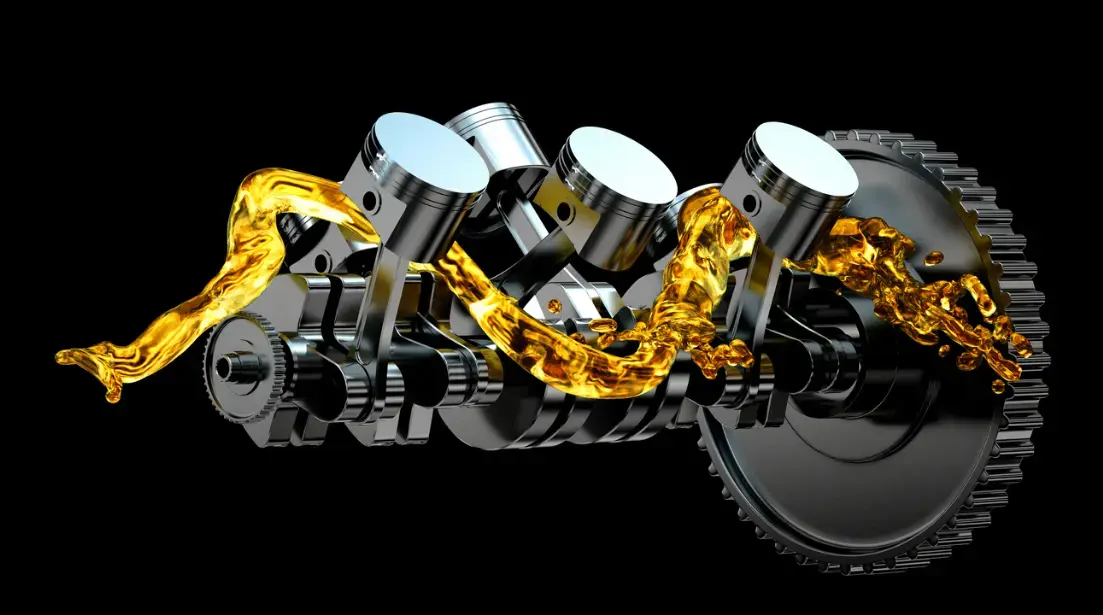
Service records can show if important maintenance tasks were done on time. Regular oil changes, inspections, and part replacements are all signs that the car has been cared for. Missing records, on the other hand, can raise questions.
It does not always mean something is wrong, but it does mean you need to be more careful. Repairs that were skipped earlier often show up later as bigger expenses. Platforms like The Auto Experts make it easier to access both vehicle history and service-related insights in one place, helping buyers avoid incomplete information.
When you combine this information with a full car check, you start to get a clearer picture. It becomes easier to decide whether the car is worth your time and money.
Knowing What the Car Is Really Worth
Pricing is one of the trickiest parts of buying a used car. Sellers often set prices based on what they believe the car is worth, but that does not always match the market.
This is why checking the car’s value can make a big difference. A proper valuation gives you a range instead of just one number. It shows how much the car might be worth in different situations, such as a dealer sale, private listing, or trade scenario.
For example, a car advertised at a higher price might actually fall closer to an average market value. Having this information can help you negotiate more confidently.
Valuation checks are usually available for around £4.99 per check, which makes them easy to include in your buying process. Even if you are not negotiating, it helps to know that you are paying a fair price.
This step is just as useful for sellers. If you are planning to sell your car, knowing its realistic value can help you price it correctly and attract genuine buyers.
Free Checks and Paid Reports Explained
It is common for buyers to start with free tools, and they do have their place. They can give you basic details such as MOT history, tax status, and general vehicle information.
The problem is that they only show part of the picture.
Important details like outstanding finance, write-off status, or theft records are usually not included in free checks. These are the areas where most risks are hidden.
Paid reports go deeper. They bring together data from different sources and present it in a way that is easier to understand.
For many buyers, the difference becomes clear after their first experience. Free checks help you get started, but paid checks help you make a final decision with confidence.
It only takes one missed detail to turn a good deal into something you regret later. Spending a small amount upfront can help you avoid that situation.
Making a More Confident Choice
Buying a used car does not have to feel uncertain. With the right approach, it becomes much simpler.
Start by checking the car’s background to rule out any major risks. Then look at the service history to understand how well it has been maintained. Finally, review its value so you know whether the price is fair.
Each step adds a layer of understanding. By the time you are ready to make a decision, you are no longer guessing. You are choosing based on information that actually matters. Choosing a trusted provider like The Auto Experts ensures that these checks are accurate, reliable, and backed by real data.
Before you agree to buy any car, it is worth taking a few extra minutes to check these details. It can save you time, money, and unnecessary stress later on.
Frequently Asked Questions
1. What information do I get from a car check?
It usually includes details about finance, write-offs, theft records, mileage issues, and other risk indicators related to the vehicle.
With The Auto Experts, some eligible checks also include a data guarantee of up to £30k.
2. Why should I check service history?
It helps you understand how well the car has been maintained and whether regular servicing has been carried out.
3. Is a car valuation really useful?
Yes, it gives you a clearer idea of what the car is worth in the current market, which helps when deciding or negotiating.
4. Are free checks enough?
They are helpful for basic information, but they do not include deeper details that could affect your decision.
5. When is the best time to run these checks?
It is better to do them early, ideally before visiting or committing to the purchase.








Post Comment