How Quickly Do Probiotics Start Working in Dogs? A Practical Guide for Pet Owners
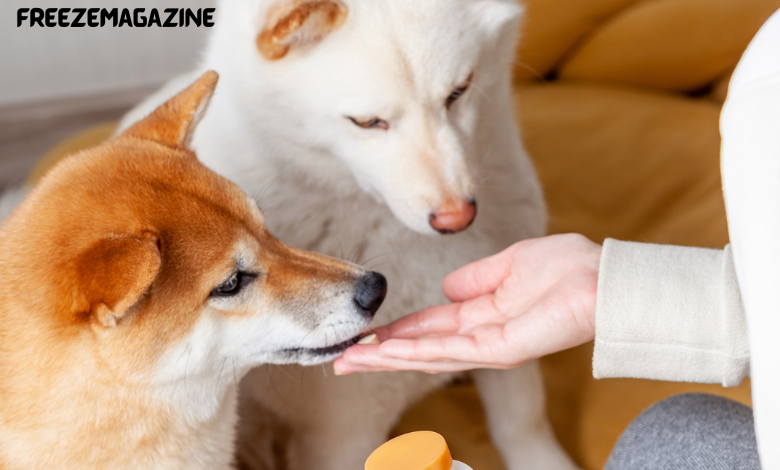
Digestive concerns are a common health issue in canines. Soft stools, increased gas, infrequent bowel movements, and stomach sensitivity are problems that affect dogs of all ages and sizes. In response, pet parents are increasingly turning to probiotics as a natural means of supporting gut health for their furry friends. Interest in these supplements has soared, yet timing questions are rife. The answer varies according to different factors, but having a clear framework can help expectations be realistic.
A dog’s gut is naturally teeming with a myriad of microbes that help break down food, modulate immune responses, and keep bad bacteria from taking hold.
Probiotics help replace those beneficial bacterial communities and restore the balance on which good digestion depends.
Two Different Functions Among Bacterial Strains. Some are said to improve stool consistency, some to reduce inflammation, and some to increase nutrient absorption. Which aspects of gut health are supported most directly depends on the strains included in the supplement.
The time it takes for probiotics to work in dogs is not set in stone, but there are some common timelines that apply in most of the cases. Early changes are usually observed in 3 to 5 days. These early physiological responses are usually digestive — stool consistency might begin to change, and symptoms such as excessive gas may start to diminish. These are the first signs that gut bacteria are reacting to the new input, although stability is not assured at this stage. This timeline can be especially relevant for owners of Shih Tzu Puppies, as their sensitive digestive systems may show noticeable responses during these initial stages.
Gradual improvements become more consistent after one to two weeks of daily use. By now, the gut’s microbial community is undergoing more substantial shifts, and digestive symptoms are often becoming milder and less frequent.
The science and dog probiotic experts from everywhere consistently tell you that after three to four weeks, the longer-term benefits are driven home. Better immune function, improved nutrient absorption, and more consistent stool quality are the result of bigger intestinal changes that occur with ongoing supplementation.
Dogs who have had an illness or have been on antibiotics may need more time, as their baseline microbiome is more substantially depleted.
Factors That Affect How Fast Probiotics Work
Probiotic response rate in individual dogs is influenced by multiple factors.
Baseline diversity of the gut microbiome is influenced by age and breed. Younger dogs adapt faster, while older dogs adapt more slowly, but just as profoundly.
How bad are the bowels? Dogs with mild, intermittent stomach sensitivity generally respond more quickly than those with chronic conditions or those who are severely bowel upset.
Consistency in diet modulates probiotic colonization effectiveness. A robust and healthy diet supplies the substrate needed for good bacteria to flourish. Constant changes in diet or poor-quality food can slow results and lessen the overall effect of the supplement.
You have to use it regularly, period. Daily, continuous administration is necessary for probiotics to maintain bacterial populations in the gut. Inconsistent dosing disrupts the process and delays the results.
Signs That Probiotics Are Working
Tracking progress allows owners to determine if a supplement is making a difference. The quality of stool is the earliest and most visible sign. Stools are more formed and consistent, and there is less variation between bowel motions.
Decreased bloating and gas also result from a healthier balance of gut bacteria being achieved. Dogs that were previously uneasy and restless after eating frequently become calm and relaxed as they digest their meals.
More energy and the desire to eat are long-term results. Improved nutrient absorption means better energy, which is why dogs that seem bored by food often perk up at mealtimes.
Conclusion
Probiotics do provide real benefits for dog digestive health, but you must be patient and consistent to see the results. Early effects may be seen within days, while sustained effects are achieved after long-term use of a couple of weeks. Every dog is different, but what is certainly true is that age and state of health, the diet, and the quality of the supplement taken all influence the time scale. Probiotics have the best chance to exert their positive effects to provide prolonged digestive benefit when the pet parent has at-home consistency supported by balanced feeding.









Post Comment