5 Tech Platforms Helping Small Trade Businesses Compete With National Franchises
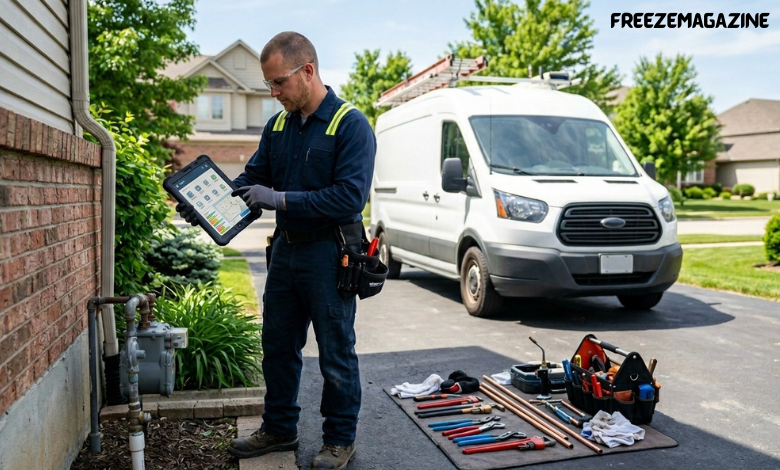
Imagine this: two plumbers in the same zip code. One works for a national franchise. The other runs a four-truck independent shop he built from scratch.
Ten years ago, the franchise won almost every time. It had the brand name, the marketing budget, and the customer database. The independent owner had a whiteboard and a prayer.
Here’s the thing: that gap is closing fast. Not because the franchises are slowing down, but because the technology available to small trade businesses today is truly impressive. The same tools that big chains use to run hundreds of locations are now accessible at small-business prices to any owner willing to use them.
Here are five platforms making that happen right now.
1. Field Service Management Software: The Brain Behind Your Operations
National franchises have one thing most independents don’t: an operations system that runs without the owner having to manage everything.
Every job gets dispatched the same way. Every work order has the same fields. The owner could step away for two weeks, and the jobs would still run.
That’s what field service management (FSM) software does for independent shops. It gives you a real system so you’re not doing everything from memory.
Scheduling, dispatching, work orders, invoicing, and customer history all in one place, visible from any device. Customers get updates before you even pick up the phone to call them.
Tools like Field Promax connect your whole operation in one dashboard, so you’re not juggling three apps and a spreadsheet to run your week. For a two-truck HVAC shop trying to look as professional as a 20-truck franchise, that kind of structure matters.
The real benefit?
FSM software doesn’t just organize your existing work. Recurring jobs get scheduled on their own. Customers who might have gone to a competitor come back because you remembered them.
If you’re curious how the broader industry is using these tools, the latest plumbing industry trends paint a clear picture: digital operations are no longer optional for shops that want to stay competitive.
2. Google Local Services Ads: Borrowing the Franchise Playbook
That’s the Google Local Services Ads slot. And it’s as close to a level playing field as the industry has.
Here’s the thing about LSAs:
Google doesn’t rank you by how big your marketing budget is. It ranks you by proximity, responsiveness, and reviews. A four-person electrical company with 80 solid Google reviews can outrank a national franchise in the same zip code.
You pay per lead, not per click. The average cost per lead runs $35 to $85 depending on your trade and market. That’s money spent only when a real customer actually calls you, not just when someone scrolls past your ad.
Getting set up takes a few weeks of license verification, insurance documentation, and background checks, but that process is also your competitive advantage. Most of your smallest competition can’t or won’t bother.
The fastest way to climb LSA rankings? Answer every call quickly, finish every job well, and ask for a Google review before you leave the driveway.
3. Job Scheduling Software: Winning the Two-Minute Race
Speed is the new brand loyalty.
When a homeowner’s AC goes out in July, they call two or three contractors. The one who calls back with a confirmed booking slot in under two minutes gets the job. The one who calls back an hour later after checking a paper calendar gets a polite “We already found someone.”
National franchises win this race by default because they rely on a custom software development company to build dispatch systems that show real-time technician availability.
Independent shops can match that now.
Modern job scheduling software gives you a live view of every technician’s day: who’s on a job, who’s finishing up, and who has a gap in the afternoon. Color-coded boards replace the whiteboard. Drag-and-drop dispatching replaces the phone tag.
Online booking goes one step further. Customers can book directly from your website even at 11 p.m. when they realize there’s a leak under the sink and your office is closed. The job goes straight into your system, confirmed, with an automatic reminder sent to the customer the morning of the appointment.
4. Review and Reputation Platforms: Turning Customers Into Recruiters
National franchises spend millions building brand trust. Independent shops can build the same kind of trust for almost nothing, but most of them leave it completely to chance.
Reviews are the local version of national ads. A small plumbing company with 150 five-star Google reviews is, in the mind of a homeowner, more trustworthy than a nameless franchise with a polished logo.
Reputation management tools Birdeye, NiceJob, Podium, and others automate the review-request process. After a job closes, a text goes out asking the customer for a quick review. Most of the review collecting that successful independents do isn’t manual work. It’s automated follow-up that runs in the background without anyone thinking about it.
The math here is simple:
- More reviews mean higher LSA rankings.
- Higher LSA rankings mean lower cost per lead.
- Lower cost per lead means more jobs for the same ad spend.
It compounds. That’s the thing about reputation: once you build it, it works while you sleep.
5. Accounting and QuickBooks Integration: Knowing What You Actually Earn
Here’s a dirty secret about a lot of independent trade shops: the owner has no idea if they’re profitable until they sit down with their accountant in January.
National franchises don’t have this problem. They have real-time financial dashboards. They know their average job cost, their revenue per technician per day, and their margin by service type. They make decisions with data.
QuickBooks integration built directly into most modern FSM platforms closes this gap. Invoices sync automatically. Payments match up. Job costing happens without a separate spreadsheet.
When your invoicing software talks to your accounting software in real time, you stop guessing and start seeing.
This matters especially in trades where hourly rates are shifting quickly. Skilled labor is commanding real money right now; the highest-paying trades in 2025 are seeing record wages, and business owners who understand their actual job margins can price correctly instead of guessing.
Knowing your numbers isn’t just good housekeeping. It’s how you decide whether to hire your next technician, buy your next truck, or turn down low-margin work that’s been hurting your bottom line.
The tools are out there; you just have to use them.
National franchises aren’t beating independent trade shops because they’re better at the work. They’re winning on operations, on visibility, and on follow-through.
The good news: every advantage they have is now available as software.
Dispatch software that makes you look like you have a full operations team. Google ads that put you above the franchise in local search. Automated scheduling that books jobs while you’re on another job. Reputation tools that turn every satisfied customer into your next lead. Financial reports that let you make real decisions with real numbers.
A lot of owners worry about the learning curve. And yes, there’s a setup phase. But most of these platforms are built for busy people who don’t have an IT team. The best field service software options today are designed to be up and running in hours, not weeks.
The franchise has a name. You have the relationships, the local reputation, and the flexibility to actually care about every customer.
Frequently Asked Questions
Can a small trade business really compete with a national franchise?
Yes, and increasingly, small trade businesses are winning on their own turf. National franchises have brand scale, but independent operators have local relationships, faster response times, and the flexibility to adopt tech tools that level the operational playing field. Platforms for scheduling, dispatching, and customer management are now priced for small businesses, not just big companies.
What’s the most important technology investment for a small HVAC or plumbing business?
If you can only pick one starting point, it’s field service management software. It handles the operations, work orders, and customer records in one system. Everything else (Google ads, reputation tools, accounting) works better when your operations are already organized.
How quickly can Google Local Services Ads start generating leads for a trade business?
The setup process, license verification, and insurance background checks take roughly two to four weeks. Once approved and active, most contractors start seeing calls within days of turning their ads on. Lead volume grows as you accumulate reviews and build a response history with Google.
Do I need a big budget to use these tech platforms?
No. Most field service management platforms start under $200 per month for small teams. Google LSAs let you set a weekly budget cap. You can start with $200 to $300 a week and scale as you see returns. Reputation tools like NiceJob and Birdeye have affordable entry plans. The cost of not using these tools in lost leads and messy operations typically far exceeds the subscription fees.
How do SEO and link building help small trade businesses grow online?
SEO and link building play a crucial role in improving your online visibility beyond paid ads. Strategies like SaaS link building help earn authoritative backlinks, allowing your business to rank higher in search results and attract consistent organic traffic over time.








Post Comment