Adopt an Animal- How Does It Support Wildlife Conservation
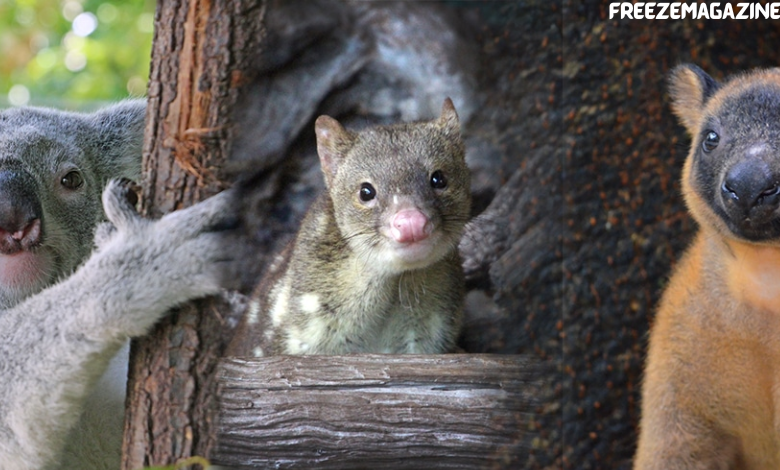
Having an animal can be a small gesture towards protecting the planet. In fact, your small step can make our world a better place to live for species in the forest or the ocean. It makes you part of conservation efforts occurring on the other side of the world.
Now that wildlife is under greater threat than ever, your decision to adopt an animal can be part of something much bigger. This little choice could be the one that saves the most vulnerable lives on our planet.
Who Can Adopt a Wild Animal in the UK?
In the UK wildlife, people can adopt an animal, and anyone is eligible in this including individuals, families, schools and corporate groups. It does not require age or income as the majority of adoptions are symbolic and are aimed at enhancing conservation efforts.
Trusted organisations allow people to adopt. Such programmes enable supporters to donate money to protect animals, preserve habitats, and support rescue efforts. So, you can always offer a home to a wild animal either as an individual donor or as a group of donors.
How Does Adopting a Wild Animal Support Wildlife Conservation?
Adopt an animal; it may seem like a small action, but it has a tremendous impact on safeguarding nature. With little effort, one can contribute to large-scale activities that sustain wildlife and help them flourish.
1. Investing in Conservation Projects
Conservation programmes, such as wildlife monitoring, habitat restoration, and anti-poaching efforts, receive funding through adoption fees. Then the organisations use these funds to save endangered species. Through it, they also manage natural ecosystems so that animals can survive in the natural world and serve future generations.
2. Caring for Natural Habitats
Most adoption programmes allocate funds to conserve forests, oceans, and grasslands where animals live. By protecting forests and adopting sustainable practices, adopters are preventing deforestation, pollution, and illegal development. All of them endanger the habitats of wild animals worldwide.
3. Supporting Rescue and Rehabilitation
When you adopt an animal, you are saving an orphaned or displaced animal. You can use your money to offer medical and rehabilitation services.
4. Promoting Wildlife Research
Adopted funds support scientific studies on animal migration, health, and behaviour. The study can assist conservationists in identifying potential threats and developing more effective protection plans. Also, it develops long-term projects that can protect endangered species and ecosystems.
5. Raising Public Awareness
When you adopt an animal, people become more conscious of conservation issues. Adoption certificates, updates and stories inform the supporters and motivate them to share knowledge.
6. Promotion of Sustainable Living
When people adopt a wild animal, they are very likely to adopt green practices. They become more aware of how to waste less, use less energy, and purchase sustainable goods. All of them indirectly lessen the strain on wildlife and natural resources.
7. Enhancing International Environmental Protection
Through individual adoptions, you can build a powerful movement worldwide. Joint assistance would help organisations sway governments and safeguard endangered species. It helps develop international collaboration to achieve long-term success in wildlife conservation.
Adoption of animals is a noble practice in helping to conserve wildlife yet one has to think before you adopt an animal. Knowing what adoption actually entails will make you responsible and make a difference.
1. Know the Purpose of Adoption
The majority of wild animal adoptions are symbolic and do not imply ownership. Your money will help in conservation, research and protection programmes. Having this in mind, you can be realistic about what is expected of you.
2. Check How Your Money Is Used
Examine the distribution of donations before adoption. Make sure your money goes toward protecting habitats, supporting rescue efforts, educating the public, or conducting research. Transparent organisations report their spending clearly, enabling you to be assured that your donation is producing a real conservation impact.
3. Select a Trusted Organisation
Always adopt an animal from well-known organisations. Ethical groups are reliable and utilise funds fairly. Plus, they release transparent reports that depict the long-term protection and welfare of wildlife.
4. Stay Engaged After Adoption
There should be no termination of adoption with a certificate. Keep up with the news, read the newsletters and spread awareness. Being part of them makes it easier to maintain your knowledge of conservation issues and encourages more people to join in preserving wildlife and the natural environment.
One easy way to help wildlife is to adopt a wild animal to prevent its destruction. When you adopt an animal, you help finance rescue, research, and habitat protection. With your continued participation, you do make a difference and help save wildlife for future generations.







Post Comment