Power of Ceramic Injection Molding for Complex Parts in Precision Engineering
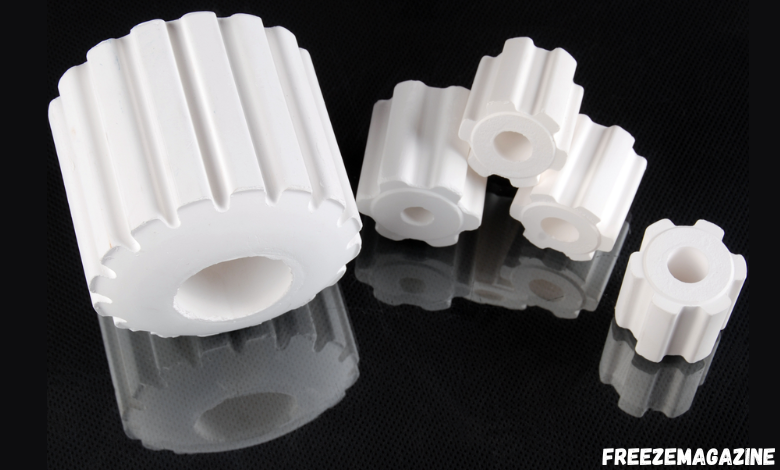
In the world of precision engineering, the need for high-quality, complex parts has never been more critical. As industries like aerospace, automotive, medical, and electronics demand parts with ever-increasing precision, manufacturers are turning to innovative techniques to meet these challenges. One of the standout methods making waves in this arena is ceramic injection molding (CIM). This technique offers a powerful solution for producing intricate, high-performance components that require both precision and durability, making it a key technology behind the wunder-mold. Let’s dive deeper into how ceramic injection molding is revolutionizing precision engineering.
What is Ceramic Injection Molding (CIM)
Ceramic injection molding (CIM) is a specialized manufacturing process used to create intricate ceramic parts that require high precision. The process combines the best aspects of metal injection molding (MIM) and traditional ceramic forming methods. By mixing ceramic powder with a binder material, manufacturers can inject this mix into molds to produce complex shapes. After injection, the binder is removed, and the part is sintered, resulting in a strong, high-performance ceramic component.
This technique is particularly effective when producing parts that are both geometrically complex and require exceptional mechanical properties, such as high thermal resistance, wear resistance, or electrical insulation.
Why is Precision Engineering Essential
In industries like aerospace and medical, the stakes are incredibly high. A single component malfunction can lead to catastrophic results. That’s why engineers must ensure that each part is made to exact specifications. Precision engineering ensures that components fit together seamlessly, function correctly, and have long-lasting durability.
However, achieving these exact specifications in intricate parts can be challenging. Traditional methods, such as casting and machining, often fall short when it comes to making parts that have complex geometries, high tolerance levels, or specific material properties. This is where CIM shines.
How Ceramic Injection Molding Enhances Precision
Ceramic injection molding provides several key advantages that make it ideal for producing high-precision components in various industries.
1. Complex Geometries with High Precision
One of the standout benefits of CIM is its ability to produce highly complex shapes. Traditional ceramic forming methods, such as casting or pressing, are limited in the shapes they can create. With ceramic injection molding, manufacturers can create parts with intricate geometries that would be impossible or expensive to achieve with other techniques.
The molding process allows for the creation of thin-walled components, undercuts, and internal features with high precision. This opens the door to new possibilities in industries such as aerospace, where components need to be lightweight yet incredibly durable.
2. High-Performance Materials
CIM isn’t just about creating intricate shapes—it’s also about using high-performance materials. The ceramics used in CIM are often selected for their excellent properties, such as high-temperature resistance, hardness, and wear resistance. These materials make CIM an ideal choice for producing components used in harsh environments.
For example, components in the aerospace industry need to withstand extreme temperatures, pressures, and stresses. Traditional materials may degrade over time, but ceramic components manufactured via CIM maintain their integrity even under the most demanding conditions.
3. Cost-Effective for Small to Medium Production Runs
In the past, producing complex ceramic parts often required expensive molds and tooling. This made it difficult for manufacturers to justify small or medium production runs, especially when the parts were highly intricate.
With ceramic injection molding, the cost of tooling is reduced, making it more economical for manufacturers to produce smaller quantities of parts. This flexibility allows companies to respond quickly to market demand or to make prototype parts without committing to large production runs.
The Unique Benefits of Ceramic Injection Molding
Ceramic injection molding offers several unique benefits that make it ideal for industries requiring both precision and durability in their parts.
1. Reduced Waste
Traditional ceramic manufacturing methods can generate a significant amount of waste, especially when machining parts to achieve the desired shape. Ceramic injection molding, on the other hand, produces parts with minimal waste, making it an environmentally friendly choice. The high precision of the process means less material is wasted, and the production process is more efficient.
2. Versatility
Ceramic injection molding can be used to create parts for a wide range of applications. Whether it’s for medical devices, electronics, automotive components, or industrial machinery, CIM can produce components that meet specific needs. From insulators to bearings and turbine blades, the versatility of the process makes it indispensable across industries.
3. Faster Production Times
Compared to traditional ceramic manufacturing methods, ceramic injection molding can produce parts faster and more efficiently. The automated nature of the process, combined with the use of injection molding, allows for high-throughput production with less manual labor, resulting in faster delivery times for clients.
Fun Facts About Ceramic Injection Molding
- Fun fact: Ceramic injection molding is sometimes called “the secret ingredient” behind many of the components used in spacecraft and satellites. Its high thermal resistance makes it ideal for space exploration.
- Fun fact: The process can also be used to create dental implants! This makes CIM a key player in the medical field, where precision is paramount.
Ceramic injection molding has opened up new possibilities in precision engineering, allowing manufacturers to create complex, high-performance parts with incredible precision. The combination of intricate geometries, high-performance materials, and cost-effective production processes makes CIM a game-changer for industries ranging from aerospace to medical devices. As the demand for precision and innovation continues to rise, CIM will undoubtedly play an increasingly important role in shaping the future of engineering.










Post Comment