7 Critical Failures That Kill Industrial Brushless Motor Controllers (And How US Manufacturers Avoid Them)
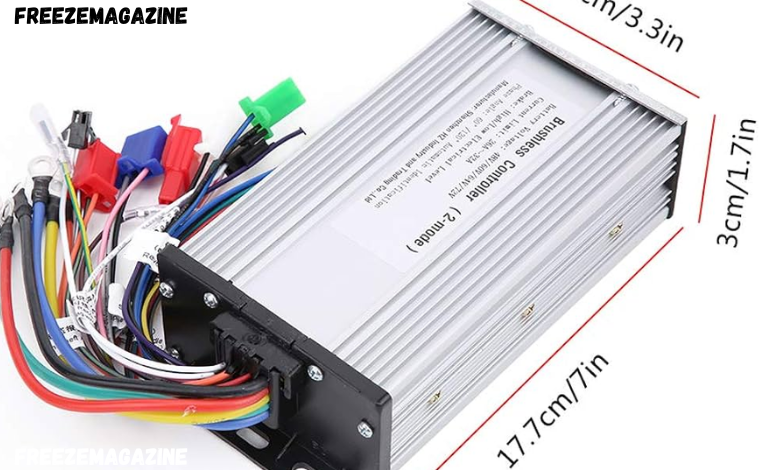
Manufacturing operations depend on consistent motor performance across assembly lines, material handling systems, and automated production equipment. When motor controllers fail unexpectedly, the resulting downtime can cascade through entire production schedules, creating costly delays and quality control issues. Understanding the most common failure patterns helps maintenance teams and plant managers implement preventive strategies that protect both equipment investments and operational continuity.
Motor controller failures rarely occur without warning signs, yet many facilities only address problems after they disrupt production. This reactive approach typically results in higher repair costs, extended downtime, and potential damage to connected equipment. The most effective manufacturing operations focus on identifying failure patterns early and implementing systematic approaches to prevent recurring issues.
Thermal Overload and Heat Management Failures
Heat represents the primary enemy of electronic motor control systems. Industrial brushless motor controller units generate significant heat during normal operation, and inadequate heat dissipation leads to component degradation and premature failure. The semiconductor components within these controllers operate within specific temperature ranges, and exceeding these limits causes immediate damage or gradual deterioration that eventually results in complete system failure.
Most thermal failures stem from inadequate ventilation around control cabinets, blocked cooling fans, or accumulated dust and debris on heat sinks. Manufacturing environments often expose controllers to ambient temperatures that approach or exceed design specifications, particularly in facilities with heavy machinery, welding operations, or high-temperature processes. When controllers cannot dissipate heat effectively, internal components experience thermal stress that shortens their operational lifespan.
Environmental Heat Sources and Mitigation
Industrial facilities contain multiple heat sources that compound thermal management challenges for motor controllers. Nearby furnaces, ovens, and heat-generating equipment create elevated ambient temperatures that force controllers to work harder to maintain safe operating conditions. Additionally, direct sunlight through windows or inadequate building insulation can create hot spots that affect control cabinet temperatures throughout the day.
Successful thermal management requires both proactive design choices and ongoing maintenance practices. Proper cabinet ventilation systems, regular cleaning schedules, and strategic placement away from heat sources significantly reduce thermal stress on controller components. Some facilities install additional cooling systems or relocate control cabinets to climate-controlled areas when environmental conditions exceed equipment specifications.
Component Degradation Patterns
Thermal stress affects different controller components at varying rates and in predictable patterns. Power semiconductor devices typically show the first signs of thermal damage, followed by capacitors and integrated circuits. These components may continue operating at reduced capacity for weeks or months before complete failure, creating intermittent performance issues that can be difficult to diagnose without proper monitoring equipment.
Understanding these degradation patterns allows maintenance teams to implement condition monitoring programs that detect thermal issues before they cause complete failures. Temperature monitoring, thermal imaging inspections, and regular performance assessments help identify controllers operating outside normal thermal parameters.
Power Quality and Electrical Supply Issues
Electrical power quality directly impacts motor controller reliability and operational lifespan. Voltage fluctuations, harmonic distortion, and power supply inconsistencies create stress conditions that damage sensitive electronic components over time. Many industrial facilities experience power quality issues due to large motor starts, welding equipment, variable frequency drives, and other high-power electrical loads that introduce disturbances into the electrical distribution system.
Power quality problems often manifest as intermittent controller malfunctions, unexpected resets, or gradual performance degradation rather than immediate failures. This makes power-related issues particularly challenging to diagnose, as symptoms may appear unrelated to electrical supply problems. Controllers may operate normally for extended periods, then experience failures during peak demand periods or when specific equipment combinations operate simultaneously.
Voltage Regulation and Supply Stability
Consistent voltage supply within specified tolerances ensures proper controller operation and component longevity. Voltage sags, surges, and brownout conditions force controllers to operate outside their designed parameters, causing internal power supplies to work harder and potentially fail prematurely. According to the U.S. Department of Energy, power quality issues contribute to significant industrial equipment failures and reduced operational efficiency across manufacturing sectors.
Facilities with aging electrical infrastructure or those connected to utility systems with frequent disturbances require additional power conditioning equipment to protect motor controllers. Voltage regulators, uninterruptible power supplies, and power factor correction equipment help maintain stable electrical conditions that extend controller lifespan and improve operational reliability.
Harmonic Distortion Effects
Harmonic distortion in electrical systems creates additional stress on motor controller components, particularly input filters and power conversion circuits. High levels of harmonic distortion cause controllers to draw excessive current, generate additional heat, and experience premature component wear. These effects accumulate over time, leading to unexpected failures that appear unrelated to the actual root cause.
Measuring and mitigating harmonic distortion requires specialized equipment and expertise, but the investment typically pays for itself through reduced equipment failures and improved system efficiency. Harmonic filters, proper grounding practices, and careful coordination of electrical loads help minimize distortion effects on sensitive control equipment.
Moisture and Environmental Contamination
Industrial environments expose motor controllers to various forms of contamination that can cause both immediate failures and long-term reliability issues. Moisture represents the most common environmental threat, creating corrosion, short circuits, and insulation breakdown within controller enclosures. Even facilities with controlled indoor environments may experience condensation problems due to temperature variations, humidity changes, or water leaks from nearby equipment.
Contamination issues often develop gradually, making them difficult to detect until significant damage occurs. Dust accumulation, chemical vapors, and airborne particles penetrate controller enclosures through ventilation openings, cable entries, and imperfect seals. Once inside, these contaminants interfere with electrical connections, block cooling airflow, and create conductive paths that lead to component failures.
Humidity Control and Condensation Prevention
Controlling humidity levels within acceptable ranges prevents condensation formation inside controller enclosures while maintaining adequate ventilation for thermal management. High humidity conditions combined with temperature fluctuations create ideal conditions for condensation, which can cause immediate short circuits or gradual corrosion of electrical connections and circuit boards.
Effective humidity control requires both facility-level environmental systems and local protection measures for individual controllers. Enclosure heaters, desiccant systems, and proper sealing techniques help maintain dry conditions inside control cabinets while allowing necessary ventilation for heat removal.
Chemical and Particulate Contamination
Manufacturing processes often generate chemical vapors, metal particles, and other airborne contaminants that can damage motor controller components. Welding operations produce metal particles that can create short circuits, while chemical processes may generate corrosive vapors that attack electrical connections and circuit board materials.
Protecting controllers from process-related contamination requires understanding the specific threats present in each facility and implementing appropriate protection measures. Filtered ventilation systems, positive pressure enclosures, and strategic placement away from contamination sources help maintain clean operating environments for sensitive control equipment.
Mechanical Vibration and Physical Stress
Mechanical vibration from nearby equipment, building movement, or inadequate mounting can cause various failure modes in motor controllers. Vibration loosens electrical connections, causes component leads to fatigue and break, and creates intermittent contact problems that result in unpredictable controller behavior. High-vibration industrial environments require special consideration for controller mounting and protection to ensure reliable long-term operation.
Vibration-related failures often appear as intermittent problems that become progressively worse over time. Loose connections may cause occasional faults that clear themselves, while component fatigue develops gradually until complete failure occurs. These patterns make vibration-related issues challenging to diagnose without understanding the mechanical environment and implementing appropriate monitoring procedures.
Installation and Mounting Considerations
Proper controller installation and mounting techniques significantly reduce vibration-related stress and improve long-term reliability. Rigid mounting to stable surfaces, vibration isolation systems, and adequate support for control cabinets help minimize mechanical stress on internal components. Flexible conduit connections and proper cable management prevent vibration from transmitting through electrical connections into the controller enclosure.
Heavy machinery, large motors, and material handling equipment generate significant vibration that can affect nearby controllers. Understanding vibration sources and implementing appropriate isolation measures during installation prevents many mechanical stress-related failures before they occur.
Connection Integrity and Maintenance
Vibration particularly affects electrical connections, causing terminals to loosen and creating high-resistance connections that generate heat and eventual failure. Regular inspection and maintenance of electrical connections helps identify vibration-related issues before they cause complete controller failures.
Proper torque specifications for electrical connections, thread-locking compounds, and vibration-resistant terminal designs help maintain connection integrity in high-vibration environments. Some facilities implement regular connection inspection schedules as part of preventive maintenance programs to address vibration-related issues proactively.
Software and Firmware Corruption
Modern motor controllers depend on embedded software and firmware to manage complex control algorithms and communication functions. Software corruption can occur due to power interruptions, electromagnetic interference, or component failures that affect memory storage devices. When software corruption occurs, controllers may exhibit erratic behavior, fail to start properly, or lose critical configuration settings that affect motor performance.
Software-related failures often present confusing symptoms that appear unrelated to the actual root cause. Controllers may operate normally for extended periods, then suddenly exhibit completely different behavior patterns. These failures can be particularly frustrating because they may not respond to traditional troubleshooting approaches focused on hardware components.
Power Interruption Effects on Memory
Unexpected power losses during critical software operations can corrupt firmware or configuration data stored in controller memory. While most controllers include protection mechanisms to prevent software corruption, repeated power cycling or interruptions during firmware updates can overwhelm these protective features and cause permanent software damage.
Protecting against power interruption effects requires both improved power quality measures and proper shutdown procedures during planned maintenance activities. Uninterruptible power supplies, controlled shutdown sequences, and backup configuration storage help prevent software corruption from power-related events.
Electromagnetic Interference and Data Integrity
High-energy electrical equipment, radio frequency sources, and electromagnetic interference can disrupt controller software operation and potentially corrupt stored data. Welding equipment, large motor drives, and radio communication systems generate electromagnetic energy that may interfere with controller memory and processor functions.
Proper electromagnetic compatibility design, shielded cables, and appropriate grounding practices help protect controllers from interference-related software issues. Some facilities require specialized filtering and isolation equipment to maintain reliable controller operation in high-interference environments.
Overloading and Improper Application
Operating motor controllers beyond their designed capacity or in applications for which they were not intended creates stress conditions that lead to premature failures. Overloading can occur through excessive current demands, duty cycles that exceed design specifications, or environmental conditions that surpass equipment ratings. Many controller failures result from gradual overloading that causes cumulative damage over extended periods rather than immediate catastrophic failure.
Application mismatches often develop as production requirements change or when controllers are repurposed for different equipment without proper evaluation of the new operating conditions. Controllers may appear to function adequately in overloaded conditions for months or years before accumulated stress causes complete failure.
Current and Power Rating Considerations
Exceeding current or power ratings places excessive stress on controller power components and thermal management systems. Even brief periods of overloading can cause permanent damage to semiconductor devices, while sustained overloading accelerates component wear and reduces operational lifespan significantly.
Proper application sizing requires understanding both normal operating conditions and peak demand requirements throughout the entire duty cycle. Controllers must have adequate capacity to handle all expected operating conditions while maintaining appropriate safety margins for unexpected load variations.
Duty Cycle and Operational Patterns
Controller duty cycle ratings specify the percentage of time the unit can operate at full capacity without exceeding thermal limits. Applications that require continuous high-power operation or frequent start-stop cycles may exceed these specifications and cause thermal stress that leads to component failures.
Understanding actual operational patterns and comparing them to controller specifications helps identify potential overloading issues before they cause failures. Load monitoring equipment and operational data analysis provide valuable insights into actual controller utilization and help optimize system design for improved reliability.
Inadequate Maintenance and Inspection Programs
Many controller failures result from maintenance practices that either neglect critical inspection points or fail to address minor issues before they develop into major problems. Effective maintenance programs focus on preventing failures rather than simply responding to them, but implementing such programs requires understanding the specific maintenance requirements for motor control systems and establishing appropriate inspection schedules.
Preventive maintenance for motor controllers differs significantly from maintenance approaches used for mechanical equipment. Electronic components often provide subtle warning signs of impending failure that require specific diagnostic techniques and equipment to detect properly. Without appropriate maintenance programs, these warning signs go unnoticed until complete failure occurs.
Inspection Techniques and Frequency
Regular visual inspections can identify many potential controller problems before they cause failures, but effective inspections require understanding what to look for and how to interpret observations. Dust accumulation, connection looseness, signs of overheating, and moisture infiltration provide early warning signs of developing problems that can be addressed through routine maintenance activities.
Inspection frequency depends on environmental conditions, application severity, and equipment criticality. High-vibration environments, extreme temperatures, or contaminated atmospheres require more frequent inspections than controllers operating in clean, controlled conditions.
Diagnostic Testing and Condition Monitoring
Advanced diagnostic techniques provide early detection of controller problems that may not be apparent through visual inspection alone. Thermal imaging, electrical testing, and performance monitoring help identify developing issues while controllers continue operating normally from an operational perspective.
Condition monitoring systems can provide continuous surveillance of critical controller parameters and alert maintenance personnel to developing problems before they cause production disruptions. These systems require initial investment and training but typically reduce overall maintenance costs through improved failure prevention and reduced emergency repair activities.
Conclusion
Understanding these seven critical failure modes provides the foundation for developing effective motor controller reliability programs that reduce unexpected downtime and extend equipment lifespan. Each failure pattern requires specific preventive measures and monitoring approaches, but the most successful programs address multiple failure modes simultaneously through comprehensive maintenance strategies and proper installation practices.
The key to preventing controller failures lies in recognizing that electronic components behave differently from mechanical systems and require maintenance approaches designed specifically for their operational characteristics. By implementing appropriate environmental controls, power quality measures, and inspection programs, manufacturing facilities can significantly reduce controller-related production disruptions while maximizing their equipment investments.
Successful controller reliability programs require ongoing attention and adjustment as operating conditions change and equipment ages. Regular program evaluation, failure analysis, and continuous improvement ensure that preventive measures remain effective and relevant to actual operating conditions encountered in each facility.








Post Comment