Wrought Iron vs. Aluminum Railings: Why Newport Beach Coastal Properties Choose One Over The Other
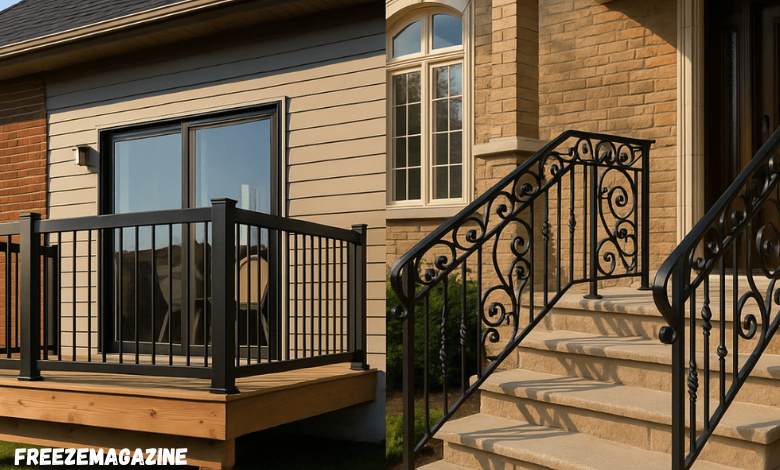
Coastal property managers and homeowners in Southern California face ongoing decisions about building materials that must withstand salt air, moisture, and temperature fluctuations. Railing systems represent a particularly challenging consideration because they serve dual roles as safety barriers and architectural elements while enduring direct exposure to marine conditions says East Bay Property Management. The choice between wrought iron and aluminum affects not only immediate installation costs but long-term maintenance requirements, structural integrity, and property appearance over decades of service.
This material decision becomes more complex in coastal environments where traditional assumptions about durability and performance may not apply. Properties near the ocean experience accelerated corrosion cycles, expanded temperature ranges, and higher moisture levels that can compromise poorly chosen materials within years rather than decades. Understanding how different railing materials respond to these conditions helps property stakeholders make informed decisions that align with their operational priorities and budget constraints.
Material Composition and Coastal Performance Characteristics
Wrought iron railings consist of iron with very low carbon content, typically less than 0.08 percent, which creates a material known for malleability and workability. This composition allows craftsmen to create intricate designs and custom configurations, but it also makes the material inherently susceptible to oxidation when exposed to moisture and salt. Wrought iron railings Newport Beach installations must account for the accelerated corrosion timeline that coastal conditions create, often requiring protective coatings and regular maintenance to preserve both function and appearance.
Aluminum railings use different alloy compositions depending on their intended application, with 6061 and 6063 alloys being common for architectural railings. These aluminum alloys naturally form a protective oxide layer when exposed to air, which provides inherent corrosion resistance without additional treatments. The material’s lower density compared to iron results in lighter overall weight, which can affect installation requirements and structural considerations for existing buildings.
Corrosion Resistance in Marine Environments
The formation of rust on iron-based materials occurs through electrochemical reactions between iron, oxygen, and water. Salt accelerates this process by increasing the conductivity of moisture, allowing corrosion to proceed more rapidly than in inland environments. Wrought iron railings in coastal locations typically show signs of surface rust within the first year of installation unless properly protected, and this timeline shortens with increased proximity to the ocean.
Aluminum’s corrosion resistance stems from its ability to form aluminum oxide on its surface, which acts as a barrier against further oxidation. This protective layer regenerates if damaged, providing ongoing protection without maintenance intervention. However, aluminum can experience pitting corrosion in certain conditions, and galvanic corrosion can occur when aluminum contacts dissimilar metals in the presence of moisture.
Temperature Response and Thermal Movement
Both materials expand and contract with temperature changes, but aluminum exhibits approximately twice the thermal expansion rate of wrought iron. This characteristic becomes significant in long railing runs or when railings connect to building structures with different thermal properties. Proper installation must accommodate this movement to prevent stress concentration at connection points or adjacent building elements.
Wrought iron’s lower thermal expansion coefficient makes it more dimensionally stable across temperature ranges, but its higher thermal conductivity means it transfers heat more readily. This property can affect user comfort when railings are exposed to direct sunlight or cold conditions, though it rarely influences material selection decisions for most applications.
Installation Requirements and Structural Considerations
Wrought iron’s weight requires more substantial mounting systems and structural support compared to aluminum alternatives. A typical wrought iron railing system weighs between three to four times more than an equivalent aluminum installation, which affects foundation requirements, mounting hardware specifications, and potential structural modifications to existing buildings. This weight differential becomes particularly relevant for installations on older structures where load-bearing capacity may be limited or unknown.
The installation process for wrought iron often involves field welding and custom fitting, especially for properties with irregular dimensions or architectural constraints. This approach allows for precise customization but extends installation timelines and requires skilled craftsmen with welding capabilities. Weather conditions can interrupt welding operations, potentially extending project schedules in coastal areas where marine layer moisture is common.
Foundation and Mounting Requirements
Wrought iron railings typically require deeper and more substantial concrete footings to support their weight and resist lateral forces. The mounting hardware must distribute loads across larger areas to prevent concrete failure or structural damage over time. Stainless steel fasteners become essential in coastal installations to prevent galvanic corrosion between dissimilar metals.
Aluminum railing systems can often utilize existing structural elements or require less extensive foundation modifications due to their reduced weight. However, the mounting design must still account for wind loads and seismic forces, which may govern the structural requirements regardless of material weight. The lighter weight can be advantageous for rooftop or elevated installations where structural capacity is constrained.
Field Modifications and Customization
Wrought iron can be heated and shaped on-site to accommodate unexpected field conditions or last-minute design changes. This flexibility allows installers to address dimensional discrepancies or architectural conflicts without returning to fabrication shops. However, field modifications may compromise protective coatings and require touch-up treatments to maintain corrosion resistance.
Aluminum railings typically require precise pre-fabrication based on field measurements, with limited ability to make substantial modifications during installation. Minor adjustments can be made through cutting and drilling, but major changes usually require new components. This constraint makes accurate initial measurements and thorough planning essential for successful aluminum installations.
Long-Term Maintenance and Operational Costs
Maintenance requirements differ significantly between wrought iron and aluminum railings, particularly in coastal environments where salt exposure accelerates deterioration. Wrought iron requires regular inspection and preventive maintenance to address corrosion before it compromises structural integrity or appearance. This typically involves annual cleaning, periodic repainting, and immediate attention to any coating damage that exposes the base material.
The maintenance cycle for wrought iron railings in coastal locations often follows a predictable pattern. Surface preparation and repainting may be required every three to five years, depending on the quality of initial coatings and environmental exposure. Areas with direct salt spray exposure or limited air circulation may require more frequent attention. Corrosion prevention becomes an ongoing operational consideration rather than a one-time installation detail.
Coating Systems and Protection Methods
Wrought iron railings rely on barrier coatings to prevent moisture contact with the base material. These coatings must maintain integrity under thermal cycling, ultraviolet exposure, and mechanical stress from wind and vibration. Premium coating systems may include zinc-rich primers, intermediate coats, and polyurethane topcoats designed for marine environments, but these systems increase initial costs and still require periodic renewal.
The underlying material provides inherent corrosion resistance, so coating failure does not immediately threaten structural integrity. This distinction reduces the urgency and frequency of maintenance interventions compared to wrought iron systems.
Repair Procedures and Component Replacement
Damage to wrought iron railings often requires metalworking skills to repair properly. Welding repairs must be followed by surface preparation and coating application to restore corrosion protection. Extensive corrosion damage may require component replacement, which involves cutting out affected sections and welding in new material.
Aluminum railing repairs frequently involve component replacement rather than in-place repair, since welding aluminum requires specialized equipment and skills. However, the modular design of many aluminum systems allows for relatively straightforward replacement of individual components without affecting adjacent sections. This approach can reduce repair costs and minimize disruption to building operations.
Design Flexibility and Architectural Integration
Wrought iron offers superior design flexibility through its ability to be shaped, forged, and welded into complex configurations. Custom scrollwork, decorative elements, and architectural details can be integrated into the structural design without compromising strength or functionality. This capability makes wrought iron particularly suitable for properties with distinctive architectural styles or specific aesthetic requirements that cannot be achieved through standard aluminum profiles.
The forging and fabrication processes used with wrought iron allow craftsmen to create unique designs that complement existing architectural elements or achieve specific visual effects. However, this customization capability comes with longer lead times and higher costs compared to standard aluminum systems. Complex designs may also create maintenance challenges by providing additional surfaces for corrosion initiation and areas that are difficult to access for cleaning and coating application.
Standard versus Custom Design Options
Aluminum railing systems typically rely on extruded profiles and standard components that can be combined in various configurations. While this approach limits completely custom designs, it provides consistent quality, predictable costs, and shorter delivery schedules. Many aluminum systems offer modular design options that provide reasonable aesthetic flexibility while maintaining the efficiency of standardized components.
The extrusion process used for aluminum components allows for complex cross-sectional shapes that can provide both structural efficiency and visual interest. These profiles can incorporate features like water drainage channels, concealed fastening systems, and integrated lighting channels that may be difficult to achieve with traditional wrought iron fabrication methods.
Color and Finish Options
Wrought iron can be finished with virtually any paint color or coating system, providing unlimited aesthetic options. However, color changes require complete paint removal and reapplication, making finish modifications expensive and time-consuming. The coating thickness required for corrosion protection may also obscure fine design details in heavily decorated railings.
Aluminum railings can utilize powder coating or anodizing processes that provide durable, uniform finishes in a wide range of colors and textures. These finishes integrate with the base material more effectively than applied paints, reducing the likelihood of coating failure. However, changing colors requires component replacement rather than refinishing, which may influence initial color selection decisions.
Cost Analysis and Economic Considerations
Initial material and installation costs represent only a portion of the total economic impact of railing system selection. Wrought iron typically requires higher upfront investment due to material costs, custom fabrication requirements, and more extensive installation procedures. However, the long-term cost equation must include maintenance expenses, replacement schedules, and potential impacts on property value and insurance considerations.
The labor content for wrought iron installation is generally higher than for aluminum systems, particularly when custom designs or field modifications are required. Skilled ironworkers and welders command premium rates, and weather-dependent installation procedures can extend project schedules and increase labor costs. These factors make accurate cost forecasting more difficult for wrought iron projects compared to aluminum installations.
Maintenance Cost Projections
Operational budgets must account for the recurring maintenance requirements that differ substantially between wrought iron and aluminum railings. Wrought iron systems in coastal environments may require professional maintenance every three to five years, involving surface preparation, primer application, and finish coating. These maintenance cycles represent ongoing operational expenses that continue throughout the railing system’s service life.
Aluminum railings typically require minimal scheduled maintenance beyond periodic cleaning and inspection of mounting hardware. This reduced maintenance requirement can provide significant operational cost savings over the system’s service life, particularly for property managers overseeing multiple buildings or extensive railing installations. The predictability of aluminum maintenance requirements also simplifies budget planning and operational scheduling.
Service Life and Replacement Considerations
Well-maintained wrought iron railings can provide decades of service, but this longevity depends on consistent maintenance and prompt attention to corrosion issues. Deferred maintenance can result in accelerated deterioration that may require premature replacement rather than repair. The service life calculation must consider both the material durability and the realistic maintenance practices that will be implemented over time.
Aluminum railings typically provide consistent performance throughout their service life with minimal degradation if properly installed. The absence of corrosion concerns reduces the risk of unexpected failures or emergency repairs that can disrupt building operations and create unplanned expenses. This predictability can be valuable for long-term facility planning and capital budgeting.
Conclusion
The choice between wrought iron and aluminum railings for Newport Beach coastal properties involves balancing immediate costs against long-term operational requirements and aesthetic preferences. Wrought iron provides unmatched design flexibility and traditional craftsmanship appeal but requires ongoing maintenance commitment and higher total ownership costs in marine environments. Aluminum offers superior corrosion resistance, reduced maintenance requirements, and more predictable long-term costs while limiting custom design options.
Property stakeholders must evaluate their specific priorities regarding maintenance capabilities, budget constraints, and aesthetic requirements when selecting railing materials. Coastal conditions accelerate the performance differences between these materials, making the selection decision more consequential than it might be in inland locations. Understanding these trade-offs enables informed decisions that align material selection with operational objectives and long-term property management strategies.








Post Comment