Wood vs Plastic vs Metal: The Ultimate Pallet Material Showdown for Cold Storage Operations
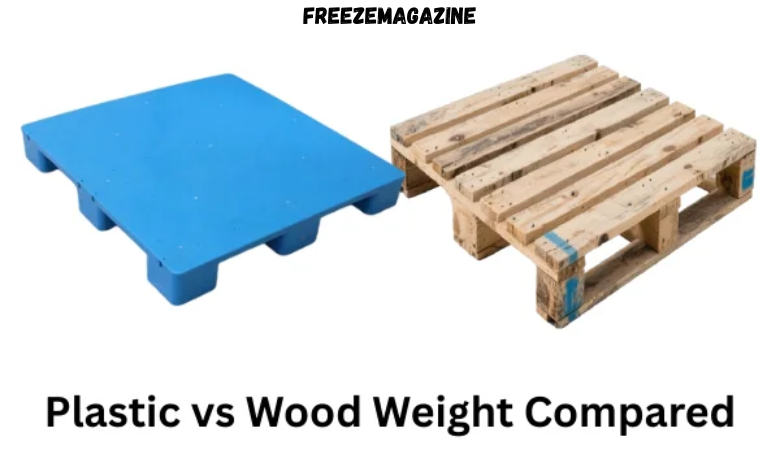
Cold storage facilities operate under demanding conditions that test every component of their material handling systems. Temperature fluctuations, moisture exposure, and the need for consistent sanitation create an environment where standard solutions often fail. The pallets moving through these facilities must withstand extreme cold, resist contamination, and maintain structural integrity through countless freeze-thaw cycles while supporting substantial loads.
Material selection becomes critical when operational downtime can result in spoiled inventory worth thousands of dollars. Food safety regulations add another layer of complexity, requiring pallets that can be thoroughly cleaned and sanitized without degrading. The choice between wood, plastic, and metal pallets affects not only immediate handling efficiency but also long-term operational costs, regulatory compliance, and product quality preservation.
Understanding Material Performance in Cold Storage Environments
Cold storage environments place unique stresses on pallet materials that don’t exist in standard warehouse operations. Temperature swings from ambient to subzero conditions cause expansion and contraction cycles that can weaken joints, create cracks, and compromise load-bearing capacity over time. When selecting pallets for these conditions, working with an experienced pallets supplier ensures access to materials specifically designed for temperature-controlled environments.
Moisture management becomes equally important as condensation forms when pallets move between temperature zones. This moisture can promote bacterial growth, cause material degradation, and create slip hazards for equipment operators. Each material responds differently to these moisture challenges, affecting both safety and compliance with food handling regulations.
Temperature Resistance and Structural Stability
The molecular structure of pallet materials determines how they respond to extreme cold. Wood fibers contract and expand with temperature changes, potentially causing warping or splitting at connection points. This movement can create gaps that harbor contaminants or reduce the pallet’s ability to distribute weight evenly across automated handling systems.
Plastic materials maintain more consistent dimensions across temperature ranges, but some formulations become brittle in extreme cold. The specific polymer blend affects impact resistance when pallets encounter the inevitable bumps and drops of material handling operations. Metal pallets typically offer the most predictable performance across temperature extremes, maintaining their structural properties regardless of cold storage conditions.
Sanitation Requirements and Contamination Control
Food safety regulations demand pallets that can be thoroughly cleaned without creating hidden spaces where bacteria might survive. Smooth surfaces allow for complete cleaning, while porous or textured materials may trap contaminants despite aggressive sanitation efforts. The ability to withstand chemical cleaning agents without degrading becomes essential for maintaining compliance over the pallet’s operational life.
Absorption characteristics play a crucial role in contamination prevention. Materials that absorb liquids or odors can cross-contaminate different products, particularly problematic in facilities handling multiple food categories. Non-porous surfaces eliminate this risk but may require different handling techniques to maintain grip and stability during transport operations.
Wood Pallets in Temperature-Controlled Environments
Wood pallets remain the most common choice across many industries due to their cost-effectiveness and availability, but cold storage applications reveal specific limitations. Wood’s natural properties create both advantages and challenges when exposed to temperature extremes and high-moisture environments typical of refrigerated facilities.
The cellular structure of wood makes it naturally insulating, which can be beneficial when protecting products from rapid temperature changes. However, this same structure absorbs moisture readily, creating potential breeding grounds for bacteria and mold. Wood pallets require treatment to meet FDA food safety standards, adding processing costs and potential chemical exposure concerns.
Durability and Maintenance Considerations
Wood pallets in cold storage face accelerated wear from freeze-thaw cycles. Water absorbed during loading operations expands when frozen, creating internal stresses that can split boards or loosen fasteners. This degradation occurs gradually but consistently, requiring regular inspection and replacement to maintain safe handling operations.
Repair capabilities offer some advantage for wood pallets since damaged boards can be replaced individually rather than discarding entire units. However, repairs in cold storage environments often prove impractical due to the urgency of maintaining product flow and the difficulty of identifying damage before it causes handling problems.
Regulatory and Compliance Factors
Heat treatment requirements for wood pallets add complexity to procurement and inventory management. International Stands for Phytosanitary Measures certification ensures pest-free materials but doesn’t address bacterial contamination concerns specific to food handling. Some facilities avoid wood entirely to eliminate questions about treatment effectiveness and contamination potential.
Documentation requirements for treated wood can burden quality assurance processes, particularly when pallets move between multiple facilities or remain in circulation for extended periods. Tracking treatment dates and certification status becomes challenging when pallets lack permanent identification markings that survive cold storage conditions.
Plastic Pallet Performance in Cold Storage
Plastic pallets offer several advantages for cold storage operations, primarily through their non-porous surfaces and resistance to moisture absorption. Modern plastic formulations address many traditional concerns about brittleness in cold temperatures, though performance varies significantly between different polymer compositions and manufacturing processes.
The uniform construction of molded plastic pallets eliminates the weak points created by mechanical fasteners in wood construction. This consistency provides predictable performance characteristics that simplify load calculations and automated handling system programming. Weight consistency also improves inventory management accuracy when facilities track products by pallet count rather than individual weighing.
Chemical Resistance and Cleaning Protocols
Plastic surfaces withstand aggressive cleaning chemicals without degrading, allowing facilities to implement thorough sanitation protocols. The smooth, non-porous surface prevents bacteria from finding protective niches, supporting compliance with hazard analysis critical control points requirements. Steam cleaning and high-pressure washing don’t damage plastic pallets the way these processes can affect wood surfaces.
Color-coding capabilities help facilities segregate products and prevent cross-contamination between different product categories. Bright colors also improve visibility in cold storage environments where lighting may be limited, reducing the risk of handling accidents and improving inventory accuracy during cycle counts.
Long-term Cost Analysis
Higher initial costs for plastic pallets often balance against longer service life and reduced replacement frequency. The ability to wash and reuse plastic pallets without degradation reduces ongoing procurement costs, particularly valuable when facilities handle products requiring frequent sanitation between uses.
Recycling potential at end-of-life provides some value recovery, though market conditions for recycled plastic affect actual returns. The consistent material composition simplifies recycling compared to wood pallets that may contain mixed species, treatments, and metal fasteners requiring separation.
Metal Pallets for Demanding Cold Storage Applications
Metal pallets represent the premium option for cold storage operations where durability and sanitation requirements justify higher initial investment. Stainless steel and aluminum constructions offer different benefits, with material selection depending on specific operational requirements and budget constraints.
The structural strength of metal pallets supports heavier loads than wood or plastic alternatives while maintaining dimensional stability across temperature ranges. This load capacity proves valuable in cold storage facilities where maximizing cubic storage space directly affects operational efficiency and cost per unit stored.
Corrosion Resistance and Surface Treatments
Stainless steel pallets provide excellent corrosion resistance in high-moisture environments, maintaining their appearance and structural integrity throughout extended service life. The smooth surface facilitates complete cleaning and prevents contamination buildup, supporting the most stringent food safety requirements.
Aluminum pallets offer lighter weight than steel while maintaining good corrosion resistance, though they may dent more easily under heavy loads or rough handling. Surface treatments can improve durability but may compromise the cleanability that makes metal pallets attractive for food applications.
Integration with Automated Systems
The dimensional consistency and predictable weight distribution of metal pallets optimize automated storage and retrieval system performance. Precise manufacturing tolerances ensure pallets fit properly in racking systems and conveyors without binding or creating clearance problems that can cause system jams.
Radio frequency identification tags and other tracking technologies integrate more reliably with metal pallets since the rigid structure protects electronic components from impact damage. This tracking capability supports inventory accuracy and product traceability requirements increasingly important in food supply chains.
Making the Right Material Choice for Your Operation
The decision between wood, plastic, and metal pallets requires balancing immediate costs against long-term operational impacts. Facilities with strict sanitation requirements and automated handling systems typically benefit from plastic or metal options despite higher initial costs. Operations focused on cost minimization may find wood pallets acceptable if they implement rigorous inspection and replacement protocols.
Product characteristics influence material selection as much as facility requirements. High-value products justify premium pallet materials that minimize contamination risk and handling damage. Bulk commodities may perform adequately on wood pallets where replacement costs remain manageable compared to product values.
The choice of pallet material affects every aspect of cold storage operations from product quality to worker safety to regulatory compliance. Wood pallets offer familiarity and low initial cost but require careful management to address moisture and contamination concerns. Plastic pallets provide good performance for most applications with easier sanitation and consistent quality. Metal pallets represent the premium solution where maximum durability and cleanability justify higher investment.
Success in cold storage operations depends on selecting materials that align with specific operational requirements rather than choosing based solely on initial cost. The right pallet material supports efficient operations while protecting product quality and maintaining regulatory compliance throughout the demanding cold storage environment.










Post Comment