The Complete Vision Control System Integration Checklist: 23 Critical Steps From Hammer-IMS Engineers
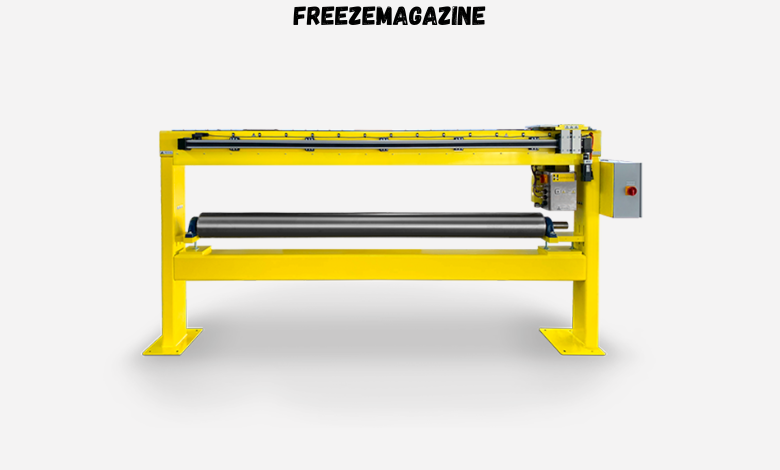
Manufacturing operations depend on precise quality control at every stage of production. When defective products reach customers, the costs extend far beyond replacement expenses to include damaged reputation, regulatory compliance issues, and potential safety risks. Traditional manual inspection methods struggle to maintain consistency across high-volume production lines, creating gaps that allow quality problems to slip through undetected.
Vision control systems address these challenges by providing automated inspection capabilities that can detect defects, verify assembly accuracy, and ensure product specifications are met consistently. However, implementing these systems requires careful planning and systematic execution to achieve reliable results. The integration process involves multiple technical considerations, from hardware compatibility to software configuration, each affecting the overall system performance.
Production managers and quality engineers face pressure to minimize downtime during system implementation while ensuring the new vision control capabilities deliver measurable improvements in defect detection and process reliability. Understanding the complete integration process helps teams prepare adequately and avoid common implementation pitfalls that can delay production restart or compromise system effectiveness.
Pre-Integration Assessment and Planning Requirements
Successful vision control system integration begins with a thorough evaluation of existing production conditions and operational requirements. The assessment phase determines which inspection tasks will benefit most from automated vision control and identifies potential obstacles that could affect system performance. This Vision Control System Integration guide emphasizes the importance of understanding current quality control workflows before introducing new technology.
Production environment factors significantly influence vision system effectiveness. Ambient lighting conditions, vibration levels, and temperature variations all affect camera performance and image quality. Areas with inconsistent lighting require additional consideration for supplemental illumination, while high-vibration environments may need isolation mounting or faster camera speeds to capture clear images.
The existing production line layout determines integration complexity and potential modifications needed to accommodate vision system components. Conveyor speeds, part positioning accuracy, and available mounting locations all influence system design decisions. Lines with variable part positioning may require additional handling equipment to ensure consistent presentation to the vision system.
Production Line Analysis
Current production flow patterns reveal where vision inspection points will provide maximum benefit without disrupting established workflows. High-speed production lines require vision systems capable of matching throughput rates while maintaining inspection accuracy. Slower production processes allow for more detailed inspection routines but may require different camera and lighting configurations.
Existing quality control procedures provide baseline performance metrics for comparison after vision system implementation. Understanding current defect detection rates, false positive occurrences, and inspection cycle times helps establish realistic performance expectations for the new system.
Integration Timeline Development
Production schedules directly impact integration timing and approach. Systems implemented during planned maintenance windows minimize production disruption, while emergency installations may require accelerated timelines that affect testing thoroughness. Coordinating integration activities with production demands requires careful balance between system optimization and operational continuity.
Equipment delivery schedules, technical resource availability, and training requirements all influence the overall integration timeline. Delays in any component can affect the entire implementation schedule, making contingency planning essential for maintaining project momentum.
Hardware Selection and Compatibility Verification
Vision control system hardware must align with specific inspection requirements while integrating seamlessly with existing production equipment. Camera selection depends on the size, speed, and complexity of parts being inspected, with resolution requirements varying based on the smallest defects that need detection. Industrial cameras designed for manufacturing environments provide better reliability than standard commercial units, particularly in harsh conditions with temperature extremes, dust, or chemical exposure.
Lighting systems play a critical role in image quality and defect detection accuracy. Different inspection tasks require specific lighting approaches, from diffuse illumination for surface inspection to structured lighting for dimensional verification. The lighting design must provide consistent illumination across all inspection areas while accommodating variations in part positioning and surface characteristics.
Processing hardware capabilities determine system response speed and the complexity of inspection algorithms that can be implemented. Real-time inspection requirements demand sufficient processing power to analyze images and make accept/reject decisions within production cycle times. Systems handling multiple inspection points simultaneously require additional processing capacity to maintain performance across all stations.
Interface Requirements
Communication protocols between vision systems and existing production controls ensure proper integration with line management systems. Standard industrial protocols facilitate data exchange and enable centralized monitoring of quality metrics across multiple inspection points.
Input and output signal compatibility affects how the vision system interacts with conveyor controls, reject mechanisms, and upstream production equipment. Mismatched signal types can require additional interface hardware or signal conditioning equipment to ensure reliable operation.
Environmental Protection
Manufacturing environments expose vision system components to conditions that can degrade performance over time. Protective enclosures shield cameras and lighting from dust, moisture, and chemical exposure while maintaining optical access for inspection tasks. Proper environmental protection extends component life and reduces maintenance requirements.
Thermal management prevents camera and processing equipment overheating in high-temperature production areas. Adequate cooling or thermal isolation maintains consistent performance and prevents temperature-related drift in inspection accuracy.
Software Configuration and Algorithm Development
Vision system software translates image data into actionable quality decisions through carefully configured inspection algorithms. The software setup process involves defining inspection areas, establishing acceptable tolerance ranges, and programming decision logic that determines when products meet or fail quality standards. Algorithm development requires balancing sensitivity to detect genuine defects while avoiding false rejections that reduce production efficiency.
Inspection parameters must account for normal manufacturing variations that do not affect product functionality or quality. Systems configured too strictly generate excessive false positives, while overly lenient settings allow defective products to pass inspection. Finding the optimal balance requires extensive testing with representative product samples under actual production conditions.
Different defect types require specific detection approaches within the software configuration. Surface scratches, dimensional variations, assembly errors, and missing components each demand different image analysis techniques and decision criteria. Complex products may require multiple inspection routines running simultaneously to verify all quality aspects.
Calibration Procedures
System calibration establishes the relationship between image pixels and real-world measurements, enabling accurate dimensional verification and defect sizing. Calibration accuracy directly affects inspection reliability and must account for camera positioning, lens distortion, and perspective effects that can influence measurement precision.
Regular calibration verification ensures continued measurement accuracy over time. Environmental factors, mechanical settling, and component aging can cause calibration drift that affects inspection performance if not monitored and corrected.
Data Integration
Quality data generated by vision systems provides valuable insights into production trends and process stability when properly integrated with manufacturing execution systems. Real-time defect tracking enables rapid response to quality issues, while historical data analysis reveals patterns that can guide preventive maintenance and process improvements.
Database integration allows quality metrics to be combined with production data, creating comprehensive records that support traceability requirements and quality system documentation.
System Installation and Physical Integration
Physical installation of vision control system components requires precise positioning and secure mounting to ensure consistent performance throughout production operations. Camera placement affects image quality, inspection coverage, and the ability to detect specific defect types. Optimal positioning balances accessibility for maintenance with protection from production environment hazards while maintaining clear optical paths to inspection areas.
Mounting systems must provide stable camera positioning despite vibrations from production equipment, air currents, and building movement. Rigid mounting reduces image blur and maintains calibration accuracy over time. Adjustable mounts allow fine-tuning of camera angles and positions during installation and subsequent optimization.
Cable routing and protection prevent damage to power and communication connections while allowing necessary flexibility for equipment movement and maintenance access. Industrial-grade cables and connectors withstand repeated flexing and environmental exposure better than standard computer networking components.
Integration with Existing Controls
Vision system integration with production line controls enables coordinated operation between inspection processes and material handling equipment. Proper timing ensures products are positioned correctly when inspection occurs and that reject mechanisms activate at appropriate moments to remove defective items.
Safety interlocks prevent vision system operation during maintenance activities and protect personnel from automated reject mechanisms. Integration with existing safety systems maintains overall production line safety standards while adding new automated quality control capabilities.
Power and Communication Infrastructure
Adequate power supply capacity supports vision system components while maintaining voltage stability under varying load conditions. Power quality affects camera performance and processing equipment reliability, making proper electrical installation critical for consistent operation.
Network infrastructure must provide sufficient bandwidth and reliability for image data transmission and system control communications. Dedicated network segments can prevent vision system traffic from interfering with other production control communications.
Testing and Validation Protocols
Comprehensive testing validates vision control system performance across the full range of production conditions and product variations. Testing protocols must verify defect detection accuracy, false positive rates, and system response times using representative samples that include both acceptable products and items with known defects. Validation testing provides confidence that the system will perform reliably once production operations resume.
Test sample selection significantly influences validation results and must represent the complete range of product variations, manufacturing tolerances, and potential defect types encountered in normal production. Insufficient test coverage can leave gaps in system performance that become apparent only after full production implementation.
Performance metrics established during testing provide baseline references for ongoing system monitoring and maintenance planning. Documentation of test results enables troubleshooting when performance issues arise and supports continuous improvement efforts to optimize inspection effectiveness.
Operational Validation
Production trial runs under actual operating conditions reveal system performance characteristics that may not be apparent during bench testing. Full-speed operation, typical ambient conditions, and normal product flow patterns can affect system behavior differently than controlled test conditions.
Operator interaction testing ensures production personnel can effectively monitor system status, respond to alarms, and perform routine maintenance tasks without compromising safety or quality control effectiveness.
Documentation and Training
Complete system documentation supports effective operation and maintenance while providing reference information for troubleshooting and future modifications. Operating procedures, maintenance schedules, and performance specifications enable consistent system management across different shifts and personnel changes.
Operator training programs ensure production staff understand system capabilities, limitations, and proper response procedures for various operating conditions and alarm situations.
Conclusion
Vision control system integration requires systematic attention to technical, operational, and organizational factors that affect implementation success. From initial assessment through final validation, each step in the integration process contributes to overall system reliability and effectiveness in detecting quality issues before defective products leave production.
Successful integration projects balance technical optimization with practical production requirements, ensuring new vision control capabilities enhance rather than disrupt established manufacturing workflows. Proper planning, thorough testing, and comprehensive documentation support long-term system performance and provide the foundation for continuous improvement in automated quality control operations.
The investment in careful integration planning and execution pays dividends through reduced quality escapes, improved production efficiency, and enhanced ability to maintain consistent product standards across varying production conditions and volumes.









Post Comment