10 Custom Steel Equipment Platform Features That Reduce Maintenance Costs by 40%+
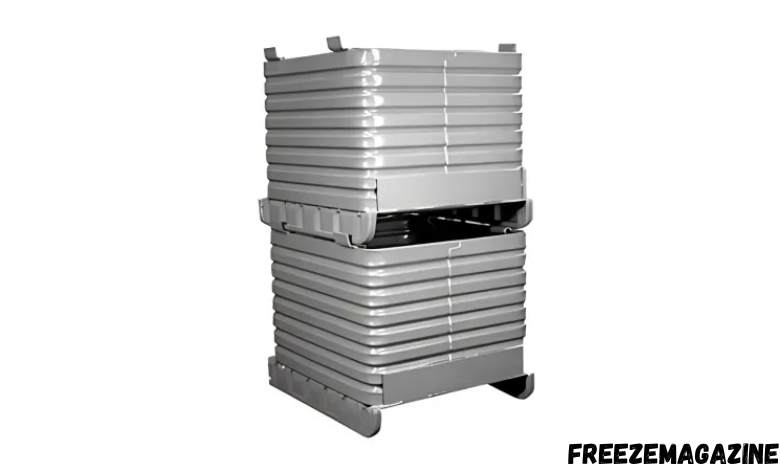
Industrial facilities face mounting pressure to control maintenance expenses while maintaining operational reliability. Equipment platforms represent significant capital investments that directly impact both worker safety and long-term operational costs. The design choices made during platform specification determine maintenance requirements for decades, influencing everything from routine inspections to major structural repairs.
Manufacturing plants, chemical processing facilities, and power generation operations have discovered that strategic platform design features can dramatically reduce lifetime maintenance costs. These features address the root causes of platform degradation, from corrosion and structural fatigue to access limitations that complicate routine maintenance tasks. Understanding these design elements enables facility managers to make informed decisions that protect both immediate budgets and long-term operational efficiency.
Strategic Material Selection and Coating Systems
Material selection forms the foundation of maintenance cost reduction in industrial platforms. Custom Steel Equipment Platforms overview typically begins with evaluating environmental conditions that drive material degradation over time. Corrosion represents the primary maintenance driver in most industrial environments, with humidity, chemical exposure, and temperature fluctuations accelerating steel deterioration.
Advanced coating systems extend material life by creating protective barriers that resist environmental damage. Hot-dip galvanizing provides superior corrosion resistance compared to standard paint systems, often eliminating the need for recoating for twenty years or more. Two-part epoxy systems offer chemical resistance in processing environments where standard coatings fail prematurely.
Environmental Compatibility Assessment
Environmental conditions dictate coating system selection more than initial cost considerations. Chemical processing facilities require coatings that resist specific acids, bases, or solvents present in their operations. Marine environments demand coatings with enhanced salt spray resistance, while high-temperature applications need thermal stability that prevents coating breakdown.
The assessment process involves analyzing exposure conditions throughout the platform’s expected service life. Temperature cycling, UV exposure, and chemical contact patterns all influence coating performance. Platforms designed with appropriate environmental compatibility avoid premature coating failure that leads to accelerated maintenance cycles.
Substrate Preparation Standards
Surface preparation quality determines coating adhesion and longevity more than coating type alone. Inadequate surface preparation causes coating failure within years rather than decades, regardless of coating quality. Proper surface preparation removes mill scale, rust, and contaminants that compromise coating adhesion.
Blast cleaning to industry standards creates surface profiles that promote coating adhesion while removing all contamination. The prepared surface must receive coating application within specified time windows to prevent flash rusting that undermines coating performance.
Access-Optimized Design Configuration
Maintenance accessibility directly correlates with maintenance costs through reduced labor requirements and improved safety conditions. Platforms designed without maintenance considerations force workers into awkward positions, require specialized equipment, or limit inspection capabilities. These design oversights compound maintenance costs through increased labor hours and elevated safety risks.
Strategic access planning during design eliminates many common maintenance obstacles. Removable panels provide equipment access without platform modification. Adequate clearances allow standard tools and lifting equipment to operate efficiently. Clear sight lines enable visual inspections that identify problems before they require major repairs.
Maintenance Pathway Planning
Maintenance pathways determine how efficiently technicians can perform routine tasks and emergency repairs. Narrow walkways force single-file movement that slows multi-person maintenance teams. Inadequate headroom requires stooping that increases fatigue and reduces work quality. Poor pathway planning transforms simple maintenance tasks into complex logistical challenges.
Effective pathway design considers tool requirements, equipment movement, and material handling needs. Maintenance tasks often require moving replacement parts, cleaning supplies, or diagnostic equipment to work locations. Pathways must accommodate these requirements without creating safety hazards or workflow bottlenecks.
Equipment Positioning Strategy
Equipment positioning affects both routine maintenance efficiency and major repair feasibility. Components positioned too close together prevent adequate tool access and complicate replacement procedures. Vertical spacing that seems adequate during installation often proves insufficient when maintenance requires overhead clearance for lifting equipment.
Strategic positioning considers maintenance requirements throughout the equipment lifecycle. Pumps, motors, and control systems require different access patterns for routine maintenance versus complete replacement. Platform design must accommodate both scenarios without requiring structural modifications or specialized lifting equipment.
Structural Redundancy and Load Distribution
Structural design philosophy significantly impacts maintenance requirements through load distribution and fatigue resistance. Platforms designed with minimal safety factors experience higher stress levels that accelerate fatigue damage. Concentrated loads create stress points that require frequent inspection and eventual reinforcement.
Redundant load paths distribute stresses more evenly across structural elements, reducing peak stress levels that drive fatigue crack initiation. This design approach extends structural life while providing backup load capacity if individual members experience damage. The Occupational Safety and Health Administration emphasizes structural redundancy as a key factor in workplace safety and maintenance cost control.
Fatigue-Resistant Connection Details
Connection details represent critical stress concentration points where fatigue cracks typically initiate. Sharp corners, abrupt section changes, and poor weld profiles create stress concentrations that exceed local material strength under cyclic loading. These stress concentrations require regular inspection and eventual repair regardless of overall structural adequacy.
Fatigue-resistant details minimize stress concentrations through smooth transitions and proper weld profiles. Bolted connections distribute loads more evenly than welded connections while providing easier repair access. Connection design that considers fatigue loading extends platform life while reducing inspection requirements.
Progressive Failure Prevention
Progressive failure occurs when local damage spreads throughout structural systems, turning minor problems into major repairs. Single-point failure modes create scenarios where component damage compromises entire platform sections. This failure progression multiplies repair costs while extending downtime periods.
Redundant design prevents progressive failure by providing alternate load paths when individual components experience damage. Compartmentalized structural systems limit damage propagation while maintaining overall platform stability. These design features allow repairs to proceed gradually without complete platform replacement.
Modular Construction and Replacement Strategies
Modular design approaches enable targeted maintenance and replacement without affecting entire platform systems. Traditional monolithic construction requires major shutdowns for repairs that affect relatively small platform areas. Modular systems isolate maintenance activities while maintaining operational access to unaffected platform sections.
Standardized module interfaces allow replacement with updated components as technology evolves or maintenance requirements change. This flexibility prevents obsolescence issues that force complete platform replacement when individual systems reach end-of-life conditions. Custom steel equipment platforms benefit significantly from modular approaches that balance initial construction efficiency with long-term maintenance flexibility.
Interface Standardization
Standardized interfaces between platform modules enable efficient replacement and upgrade procedures. Proprietary connection systems create dependencies on specific suppliers and specialized installation procedures. Standard interfaces allow multiple suppliers to provide replacement components while simplifying installation requirements.
Interface standards must consider structural, electrical, and fluid connections required for platform operation. Mechanical connections require standard bolt patterns and load transfer mechanisms. Utility connections need standardized routing and disconnection procedures that minimize shutdown time during module replacement.
Replacement Planning Integration
Replacement planning during initial design prevents future access problems and compatibility issues. Equipment modules with different service lives require replacement schedules that minimize operational disruption. Platform design must accommodate crane access, temporary support systems, and workflow continuity during replacement procedures.
Integration planning considers how module replacement affects adjacent systems and ongoing operations. Electrical disconnections, fluid system isolation, and structural load redistribution all require advance planning to prevent unintended consequences. Well-planned replacement procedures reduce maintenance downtime while ensuring worker safety during module changes.
Environmental Protection and Drainage Systems
Standing water accelerates corrosion while creating slip hazards and ice formation in cold climates. Poor drainage design allows water accumulation in structural details where inspection and maintenance access is limited.
Comprehensive drainage systems eliminate water accumulation while directing runoff away from sensitive equipment and structural components. Slope management ensures positive drainage without creating trip hazards or affecting equipment operation. Drainage system design must consider normal precipitation, equipment washdown procedures, and emergency scenarios where large water volumes require management.
Corrosion Prevention Through Water Control
Water control represents the most effective corrosion prevention strategy for steel platforms in most environments. Even minor water accumulation creates conditions for corrosion initiation, particularly in crevices and connection details. Effective water management eliminates these conditions while reducing humidity levels around sensitive equipment.
Drainage design considers water sources beyond precipitation, including equipment condensation, cleaning procedures, and process spillage. Each water source requires specific management approaches that prevent accumulation while maintaining safe working conditions. Comprehensive water control extends coating life while reducing structural maintenance requirements.
Climate Adaptation Strategies
Climate conditions influence drainage system requirements and performance expectations. Freeze-thaw cycles create expansion forces that damage inadequate drainage systems while causing ice accumulation that affects platform safety. High-temperature environments increase evaporation rates that concentrate corrosive materials in residual water films.
Adaptation strategies address local climate patterns through appropriate drainage system design and material selection. Cold climate systems require freeze protection and ice management capabilities. Hot climate systems need enhanced drainage capacity to handle intense precipitation events while managing thermal expansion effects.
Conclusion
Maintenance cost reduction through strategic platform design requires balancing immediate construction costs with long-term operational expenses. The features outlined above work together to address the primary drivers of platform maintenance: corrosion, structural fatigue, access limitations, and environmental exposure. Facilities that implement these design strategies typically achieve maintenance cost reductions exceeding forty percent while improving worker safety and operational reliability.
The investment in enhanced platform features pays dividends throughout the platform’s service life through reduced labor costs, extended component life, and improved maintenance scheduling flexibility. As industrial facilities face increasing pressure to control operational costs while maintaining safety standards, strategic platform design becomes a critical competitive advantage that supports both immediate operational needs and long-term business sustainability.








Post Comment