Precision Under Pressure: The Intersection of High-Performance Sport and Luxury Horology
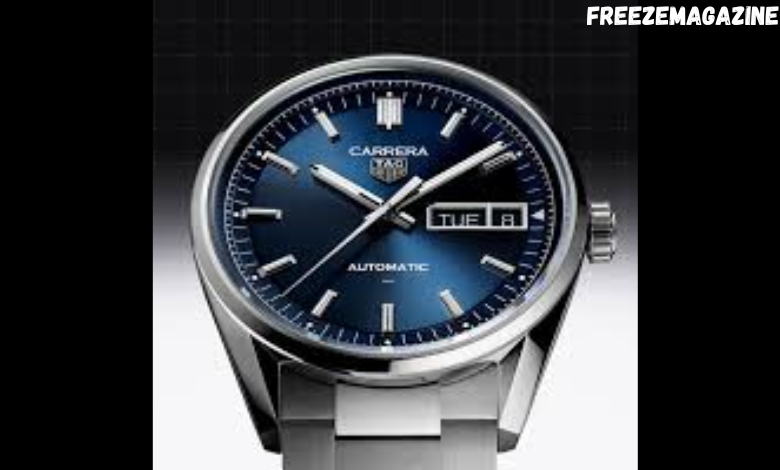
The human obsession with measuring time is perhaps most acute when we are pushing ourselves to the absolute limit. Whether it is the frantic pulse of a downhill ski run, the calculated rhythm of a marathon, or the split-second decisions made on a high-speed circuit, time is the ultimate arbiter of success. In 2026, the British sporting landscape has evolved into a space where technical data and aesthetic elegance coexist. For the modern enthusiast, a watch is no longer just a tool for punctuality; it is a piece of high-performance equipment designed to withstand the rigours of an active lifestyle while making a definitive statement about personal standards.
Luxury watchmaking has always found its most natural home in the world of competitive sport. This is because the requirements of an athlete mirror the requirements of a master horologist: a demand for absolute precision, a resilient build quality, and an unwavering commitment to performance under pressure. As we move further into this decade, we are seeing a significant shift in how these mechanical marvels are integrated into our daily adventures, moving from the safe confines of a display case into the heart of the action.
Mastering the Elements: The Enduring Legacy of TAG Heuer watches
When exploring the brands that have fundamentally shaped our understanding of the sports chronograph, one name stands out for its avant-garde approach to engineering. The history of TAG Heuer watches is a masterclass in how to fuse the adrenaline of the racetrack with the sophistication of Swiss craftsmanship. Since the mid-nineteenth century, the brand has been at the forefront of timekeeping innovation, developing the first dashboard stopwatches and pioneering the use of oscillating pinions that are still utilised in many mechanical chronographs today. For the British adventurer, these timepieces represent a heritage of daring exploration and a refusal to crack under pressure.
In the modern context, choosing a luxury sports watch involves looking at how the technical architecture serves the wearer. A professional chronograph is one of the most difficult complications to manufacture, requiring hundreds of individual components to work in total synchronicity. This allows the user to measure intervals of time with surgical accuracy, a feature that remains as relevant for timing a morning lap in the pool as it does for professional racing. The UK market, in particular, has shown a deep appreciation for this functional beauty, valuing pieces that are robust enough for a weekend in the Highlands but refined enough for a corporate environment in the City.
The Architecture of Resilience: Materials and Movement
The durability of a high-end timepiece is defined by the materials used in its construction. In 2026, we are seeing the widespread adoption of high-tech ceramics and grade 5 titanium in watchmaking. These materials offer an incredible strength-to-weight ratio, ensuring that the watch remains light on the wrist during physical activity while being virtually impervious to scratches and corrosion.
Furthermore, the advancement in movement technology has focused on “active” reliability. Modern calibres are now equipped with silicon balance springs, which are entirely unaffected by magnetic fields and offer superior resistance to shocks. This is critical for the modern professional who may be surrounded by electronic devices or engaging in high-impact sports. By reducing the need for frequent lubrication and increasing the power reserve to often over 70 hours, these watches ensure that they are ready to perform exactly when the wearer is.
The Investment Value of High-Performance Horology
While the primary appeal of a luxury sports watch is its utility, there is an undeniable financial dimension to owning such a piece. In a volatile economic climate, tangible assets with a proven track record of value retention become highly attractive. Iconic sports models from reputable houses often maintain their value exceptionally well, and in many cases, certain limited editions have shown significant appreciation on the secondary market.
The British collector community is particularly vibrant, with enthusiasts in London, Manchester, and Birmingham closely following auction results and market trends. However, the true “return” on a luxury watch is often found in its longevity. Unlike consumer electronics that are designed for obsolescence, a mechanical watch is a lifelong companion. It is a functional heirloom that can be serviced and restored for decades, eventually being passed down to the next generation as a symbol of shared history and achievement.
Aesthetic Versatility: From the Track to the Boardroom
One of the most impressive feats of modern watch design is the ability to bridge the gap between different social and professional spheres. The “luxury tool watch” has become the ultimate versatile accessory. The bold, legible dials and robust bezels that were originally designed for divers and drivers have become iconic design languages in their own right, pairing as effectively with a technical waterproof jacket as they do with a bespoke wool suit.
This versatility is further enhanced by innovations in strap technology. Many contemporary watches now feature integrated “quick-change” systems, allowing the wearer to swap a durable rubber strap for a classic stainless steel bracelet in seconds. This ensures that the timepiece remains appropriate for any environment, making it the perfect choice for the individual who moves frequently between the city and the great outdoors.
Future-Proofing Tradition in a Digital World
As we look toward the future, the integration of traditional mechanical excellence with sustainable practices is becoming a priority for the industry. We are seeing a move toward ethical sourcing of precious metals and the use of recycled materials for straps and packaging. The mechanical watch itself is inherently a sustainable choice; it is powered by the kinetic energy of the wearer’s wrist or a simple manual wind, requiring no batteries or electrical charging.
We are seeing the development of even more efficient lubricants and the use of carbon-composite cases that offer unprecedented levels of shock absorption. These advancements ensure that the mechanical watch remains a relevant and superior tool for those who demand the absolute best from their equipment.
Conclusion: A Statement of Intent
Ultimately, wearing a high-performance luxury watch is a celebration of human ingenuity and the pursuit of excellence. It is a quiet reminder that even in an increasingly automated world, there is still a place for the slow, deliberate work of a master craftsman. For the British professional who values both style and substance, these timepieces offer a way to anchor themselves in history while looking firmly toward the future.
Whether you are navigating a mountain pass or a corporate merger, the principles remain the same: precision, reliability, and the courage to push beyond perceived limits. As the industry continues to evolve, the core values of horology will remain the guiding light for those who understand that time is not just something to be tracked, but something to be mastered.







Post Comment