Color Symbolism in Kitsune Masks Explained
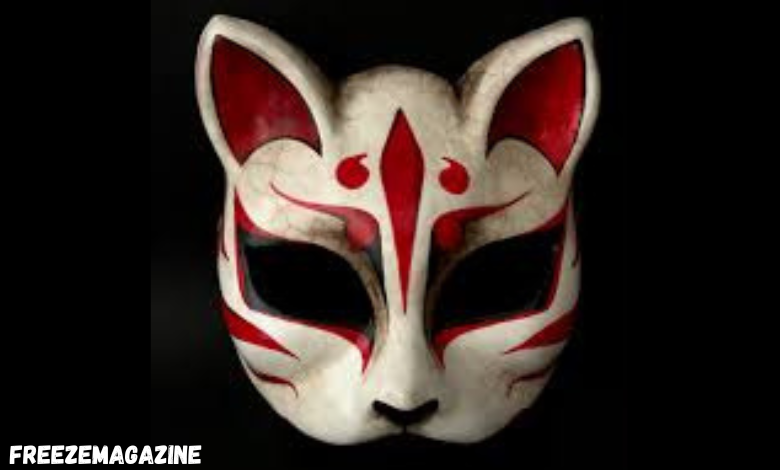
Color isn’t just visual, it’s symbolic. Especially when it comes to Kitsune Masks Color, where every shade carries centuries of meaning. In Japanese folklore, fox masks aren’t just worn, they’re chosen. And the color you pick? It tells a story.
This blog explores how Kitsune Masks’ Color reflects cultural symbolism, spiritual roles, and emotional intent. We’ll break down the historical roots, decode the meanings behind red, white, black, gold, silver, blue, and green masks, and show how these colors shape rituals, festivals, and even pop culture.
What Does a Kitsune Mask Mean?
A Kitsune mask isn’t just a fox face; it’s a symbol pulled straight from Japanese mythology. It represents the Kitsune, a supernatural fox spirit known for its intelligence, shape-shifting abilities, and dual nature. Some are protectors, others tricksters. That tension, between guidance and deception, is what gives the mask its power.
Traditionally worn during Shinto rituals, Noh Theater, and seasonal festivals, the mask serves as a bridge between the physical and spiritual worlds. It allows the wearer to embody the fox’s traits: wisdom, mystery, and transformation. The mask’s color, shape, and markings all carry meaning, signaling whether the spirit is benevolent (Zenko) or mischievous (Yako). Whether used in ceremony or cosplay, the Kitsune mask remains a potent symbol of identity, intent, and folklore.
Kitsune Mask Variations | Symbolic Colors and Their Spiritual Significance
Not all foxes wear the same face. In Japanese folklore, Kitsune mask categories are split into two major types, Zenko Kitsune and Yako Kitsune. One protects. The other plays tricks. And the Kitsune Masks’ Color? That’s how you tell them apart. These aren’t just aesthetic choices. They’re symbolic codes. Color is the first clue to a fox spirit’s intent. Here’s how the classification breaks down:
- Zenko Kitsune
The benevolent fox. Servants of Inari, they’re divine messengers.- White: purity, transformation, spiritual elevation
- Red: protection, fertility, rice harvest blessings
- Gold/Silver: prosperity, celestial status
- Yako Kitsune
The mischievous fox. Wild, unpredictable, sometimes dangerous.- Black: deception, mystery, shadow play
- Blue/Green: elemental mischief, nature trickery
- Dual-tone (white with black/red): moral ambiguity, shape-shifting intent
Some masks blur the lines. A fox spirit may shift roles, and the mask reflects that. That’s why Kitsune Masks’ Color isn’t fixed; it adapts with the story. Collectors often misread these hues. A black mask isn’t evil; it’s complex. A red mask isn’t just festive, it’s protective. Understanding these layers means seeing the mask not as a costume, but as a character.
Red Kitsune Masks Ritual Power & Protection
The moment you see a red fox mask at a shrine, you know it’s not just for show. In the world of Kitsune Masks Color, red holds weight. It’s the color of divine protection, fertility, and agricultural hope. Worn during Shinto rituals, especially those tied to rice planting and harvest, the red Kitsune mask isn’t decorative; it’s devotional.
At Fushimi Inari Tanisha, one of Japan’s most iconic shrines, red dominates. Stone foxes wear red bibs. Worshippers carry red talismans. The Kitsune Masks’ Color here isn’t chosen; it’s inherited. It reflects centuries of belief in the fox as Inari’s messenger, guarding crops and warding off misfortune.
“Red doesn’t ask for attention, it demands reverence.”
The red fox mask also plays a role in fertility rituals, where its vivid hue is believed to invite abundance. Farmers once wore it to call on the spirit for a fruitful season. Today, it’s still used in festivals, its meaning unchanged. When you choose red in your Kitsune Masks Color, you’re stepping into a legacy of protection and prosperity.
White Kitsune Masks | Purity, Transformation, and Duality
A white fox mask doesn’t shout, it lingers. It’s quiet, deliberate, and strangely powerful. In the language of Kitsune Masks Color, white carries weight. It’s not just purity. It’s potential. The kind that shifts, deceives, or enlightens depending on who’s wearing it.
In Noh Theater, white masks are used to portray Zenko fox spirits, messengers of Inari, the rice deity. These spirits aren’t chaotic. They’re precise. Their movements are slow, intentional, and almost eerie. The mask’s blankness isn’t emptiness, its invitation. It lets the actor fill it with meaning, emotion, and transformation.
But here’s the twist. Not every white mask is benevolent. Some carry subtle markings, black around the eyes, and red streaks near the mouth. That’s where the Kitsune transformation comes in. A spiritual fox might guide or mislead. The mask doesn’t tell you which, it just suggests.
“White masks don’t declare intent. They wait for yours.”
In religious ceremonies, especially those honoring Inari, white masks are worn to invite clarity and spiritual elevation. Yet folklore warns: the fox that appears pure may be testing you. That’s the duality. That’s the tension. And that’s why Kitsune Masks Color matters, not just in design, but in meaning.
Enigmatic Kitsune Masks | Trickery, Secrets, & Modern Myths
A black fox mask doesn’t ask for attention; it pulls you in. In the world of Kitsune Masks Color, black is the shadow. It’s the whisper behind the curtain, the flicker in the alley. It’s not evil. It’s unknown. And that’s what makes it powerful.
Associated with Yako Kitsune, the wild fox spirits known for mischief and manipulation, black masks often represent supernatural mischief. These aren’t the shrine foxes of Inari, they’re the ones that slip into dreams, twist stories, and vanish before dawn. In some regions, wearing a black mask is said to invite the fox’s cunning, not its protection.
Folklore is full of tales. A merchant tricked by a fox disguised as a geisha. A child was led into the woods by a masked figure who vanished into the mist. These stories aren’t just old, they’re retold in manga, anime, and urban legends. The black Kitsune mask’s meaning has evolved, but its core remains: deception, transformation, and hidden intent.
“Black doesn’t reveal, it suggests.”
Some masks even feature exaggerated features, elongated snouts, sharp eyes, jagged markings, to amplify their fox demon mask persona. And in modern festivals, they’re worn not just for style, but for statement. Choosing black in your Kitsune Masks Color isn’t about blending in. It’s about embracing the unknown.
Gold and Silver Kitsune Masks | Symbols of Prestige, Prosperity, and Traditional Celebrations
A gold fox mask doesn’t whisper, it gleams. It’s not worn casually. It’s reserved for moments that demand presence. In the realm of Kitsune Masks Color, metallic shades like gold and silver signal status, wealth, and spiritual elevation. These aren’t everyday masks; they’re ceremonial tools, often seen in elite performances and high-ranking rituals.
In traditional festivals across Kyoto and Tokyo, these masks appear during parades and shrine ceremonies where hierarchy matters. Performers wearing silver Kitsune masks often represent celestial fox spirits, those tied to prosperity and divine favor. The metallic sheen isn’t just visual, it’s symbolic. It reflects light, suggesting enlightenment, prestige, and divine connection.
“Gold doesn’t just decorate, it declares.”
Choosing metallic in your Kitsune Masks Color palette isn’t about flash. It’s about legacy. It’s about stepping into the role of an elite fox spirit, one that doesn’t just walk among mortals, but watches from above.
Not every fox spirit is tied to shrines or stage lights. Some belong to rivers, forests, and storms. That’s where the blue fox mask and green Kitsune mask come in, less common, but no less symbolic. Within the spectrum of Kitsune Masks Color, these hues represent elemental affiliation, drawing from nature’s quieter forces.
Folklore from coastal and mountainous regions speaks of Kitsune that control rain, wind, and growth. These spirits aren’t loud. They’re subtle. They move through mist, hide in leaves, and speak through rustling branches. Their masks reflect that. Here’s how the color-element link plays out:
- Blue Fox Mask
- Symbolizes water fox spirits
- Associated with rivers, rainfall, and emotional depth
- Often worn during seasonal festivals tied to purification
- Green Kitsune Mask
- Represents forest Kitsune or nature guardians
- Linked to fertility, growth, and renewal
- Used in rituals honoring mountain deities and harvest cycles
“Green doesn’t shout. It grows. Blue doesn’t chase. It flows.”
These spiritual fox colors aren’t just aesthetic; they’re invitations to connect with nature’s rhythm. Choosing these tones in your Kitsune Masks Color selection means aligning with something older than myth, something elemental.
Modern Interpretations | Kitsune Masks Color in Pop Culture
The Kitsune Masks Color isn’t stuck in the past; it’s everywhere. From anime conventions to streetwear drops, the fox mask has slipped into pop culture with a new voice. And it’s loud.
In anime, the anime fox mask often signals mystery or hidden power. Think of characters like Gin from “Hotarubi no Mori e” or Uchiha Itachi’s ANBU mask in Naruto, both wear white with red accents, echoing traditional Zenko symbolism but layered with emotional depth. The color isn’t just aesthetic, it’s narrative.
In manga symbolism, black masks show up on rogue spirits, vigilantes, or cursed beings. Red? Usually tied to protection or rage. These choices aren’t random; they’re coded. Designers know the folklore, and they remix it.
Choosing the Right Kitsune Mask Color | Intent and Occasion
Picking a Kitsune mask purchased from Japanese Oni Mask Online Store isn’t just about style; it’s about symbolic intent. Whether you’re attending a festival, performing a ritual, or simply collecting, the Kitsune Masks Color you choose should reflect your purpose. Each hue carries meaning, and ignoring that can feel tone-deaf, especially in culturally rooted settings. Here’s a quick guide to help with mask selection:
- Red | Seeking protection, fertility, or honoring Inari
- White | Spiritual clarity, transformation, or ceremonial use
- Black | Embracing mystery, folklore, or theatrical mischief
- Gold/Silver | Representing status, prosperity, or elite roles
- Blue/Green | Connecting with nature, water, or seasonal rituals
Tip: When in doubt, match the mask’s color to the emotion or role you want to embody, not just the outfit.
Respecting cultural etiquette matters. Some masks are worn only during specific rituals. Others are reserved for performers or shrine use. If you’re unsure, ask. Choosing the right Kitsune Masks Color isn’t just personal, it’s respectful.
Let the Mask Speak for You
You don’t just wear a Kitsune mask, you choose it. And that choice, especially the Kitsune Masks Color, says more than words ever could. Whether you’re drawn to red for protection, white for transformation, or black for mystery, each hue carries a legacy. If you’re exploring, collecting, or preparing for a performance, take a moment to reflect. What do you want the mask to express?
Sometimes, the right mask finds you before you even know what you’re looking for.
Let the color guide you. Let the spirit behind it speak. And when you’re ready to dive deeper, the folklore is waiting.










Post Comment