Guide to Selling Your Car Privately in the UK
If you are hoping to get the strongest possible price for your car, selling it privately is often the way to do it. You cut out the dealer, avoid trade margins and keep control of the process. The trade off is that it takes a bit more effort. You will need to handle the advertising, the viewings and the paperwork yourself. With the right preparation, however, it is perfectly manageable.
Deciding Whether It Is Right for You
A private sale appeals to many owners because it can mean more money in your pocket. Others simply prefer to deal directly with the buyer. Before you commit, be clear about what is involved.
You do not need a sales background, but you do need to follow the law and present the car honestly. Make sure it is roadworthy and that you understand its condition inside out. Gather the V5C logbook, a valid MOT certificate if the car is over three years old, and a full service history if available. If there is outstanding finance, it must be cleared before the sale goes ahead.
It’s just as important to run a car check and include it in the paperwork you give to the buyer. It gives you a clearer picture of your own car and puts you in a much stronger position when negotiating. When you know the car is clear of any finance and has never been written off, you can tell the buyer with confidence and that can really help you secure a better price.
It is equally important to research the market. Look at similar cars for sale locally and price yours in line with age, mileage and condition.
Weighing Up the Risks
Selling privately gives you control, but it also means the responsibility sits with you. You must inform the DVLA when the vehicle changes hands. If you fail to do so, you could remain liable for fines or penalties.
You also need to be upfront about the car’s condition. Selling a vehicle that is not roadworthy, or failing to disclose known faults, can cause serious problems later. A straightforward, honest description will save time and avoid disputes.
Then there is the practical side. You will need to respond to enquiries, arrange viewings and make time for test drives. Listing fees and preparation costs can also add up, so factor those in.
Getting the Car Ready
Presentation makes a real difference. Deal with minor repairs and ensure servicing is up to date. If the MOT is close to expiry, renewing it can make the car more appealing and easier to sell.
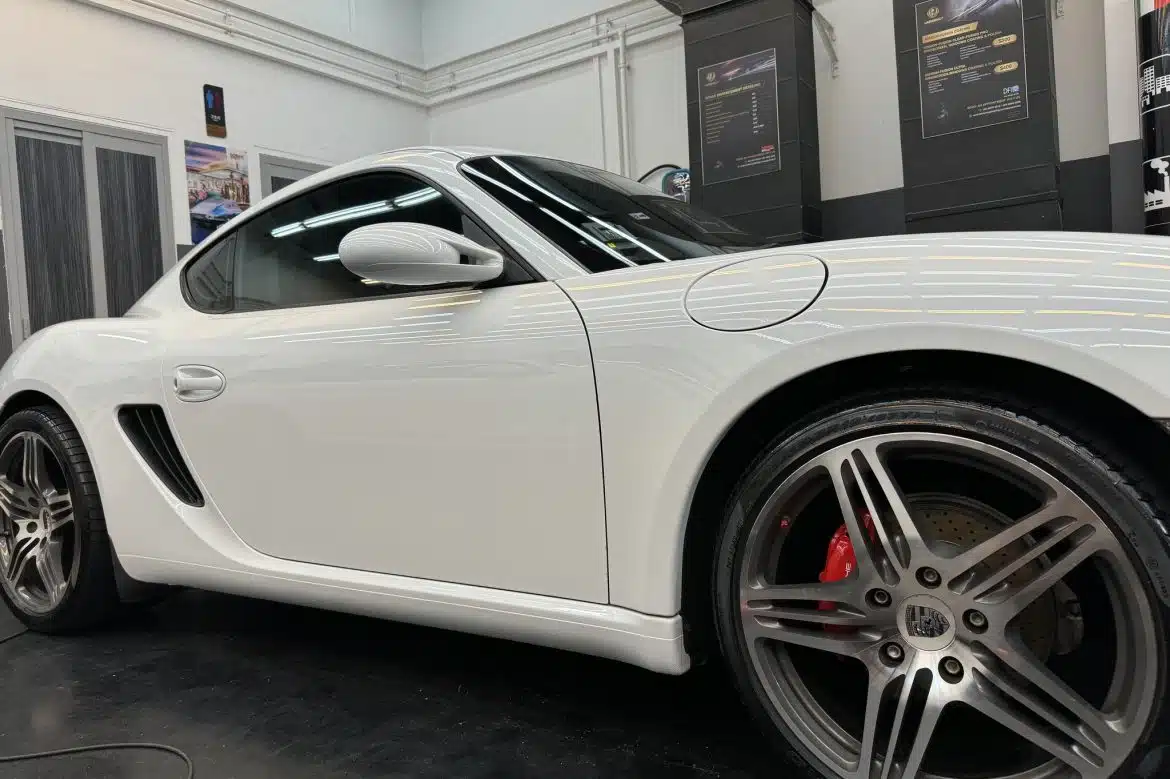
A proper clean is essential. A professional valet is often worth the expense, especially for newer or higher value vehicles. Inside, remove personal items and tidy worn details where possible. A clean, well cared for car inspires confidence.
Paperwork and Pricing
Have your documents organised before advertising. Buyers will expect to see the V5C, MOT certificate, service records and any relevant receipts. Being prepared gives the impression of a careful owner.
When it comes to pricing, aim for realism. Compare similar vehicles and leave sensible room for negotiation. Overpricing can put buyers off before they even make contact.
Viewings and Payment
Always check a potential buyer’s driving licence and confirm suitable insurance before a test drive. It is wise to accompany them.
Once you agree a price, put everything in writing and issue receipts for any deposit and final payment. Do not release the keys until cleared funds are in your account.
In Summary
Selling your car privately does require time and organisation, but it can be worthwhile. Be honest, keep your paperwork in order and present the car properly. With a sensible price and a professional approach, you stand every chance of achieving a smooth and successful sale.









Post Comment