Why a 500 GPM Pump Is Ideal for Chemical and Water Treatment Operations
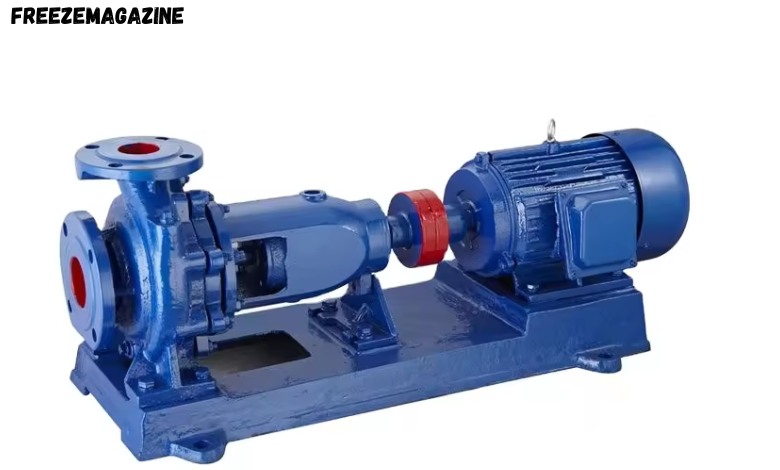
Chemical processing plants and water treatment facilities require precise, reliable, and continuous fluid movement. Oversized systems waste energy, while undersized pumps create operational instability. For many mid-scale operations, a 500 gpm pump provides the optimal balance of flow capacity, efficiency, and system control.
Here’s why this capacity range is particularly well-suited for chemical and water treatment environments.
Both industries share similar fluid-handling requirements:
- Continuous flow processes
- Controlled pressure conditions
- Corrosion-resistant materials
- High reliability and minimal downtime
- Energy-efficient performance
A 500 GPM capacity often fits perfectly between small facility pumps and large municipal-scale systems.
Why 500 GPM Is the Sweet Spot
In many medium-sized plants:
- Flow requirements are substantial but not extreme
- Infrastructure supports moderate pipe diameters
- Energy budgets must remain controlled
- System design prioritizes stable and predictable operation
A 500 GPM pump supports these needs without excessive capital investment or operational complexity.
Applications in Chemical Processing
1. Reactor Feed Systems
Chemical reactors require consistent feed rates to maintain reaction stability. A properly sized pump:
- Maintains steady throughput
- Prevents pressure fluctuations
- Supports continuous-duty cycles
A 500 GPM pump provides sufficient volume for mid-scale batch and continuous processes.
2. Transfer Between Storage Tanks
Chemical storage facilities frequently move fluids between tanks and processing units. Mid-capacity pumps:
- Handle corrosive fluids (with appropriate materials)
- Maintain stable discharge pressure
- Reduce system strain
Material compatibility—such as stainless steel or specialized alloys—is critical.
3. Effluent Handling
Waste streams generated during chemical processing must be transferred safely and efficiently. A 500 GPM system ensures:
- Reliable effluent movement
- Compatibility with filtration or treatment units
- Reduced risk of overflow or bottlenecks
Applications in Water Treatment Operations
1. Filtration System Feed
Water treatment plants depend on consistent flow into filtration units. Stable pump performance:
- Maintains filtration efficiency
- Supports sedimentation processes
- Reduces system turbulence
Mid-scale plants often find 500 GPM ideal for maintaining continuous throughput.
2. Sludge and Backwash Systems
Backwashing filters and moving sludge require controlled but substantial flow. A 500 GPM pump:
- Provides adequate flushing capacity
- Supports periodic high-demand cycles
- Maintains system balance
3. Chemical Dosing and Mixing Support
Water treatment facilities use chemicals for disinfection, pH adjustment, and coagulation. Pumps must:
- Deliver predictable flow
- Operate near best efficiency point (BEP)
- Handle treated water and mild chemical solutions
Correct sizing ensures precision dosing support.
Key Advantages for These Industries
Balanced Energy Consumption
Operating a pump near its optimal efficiency curve reduces:
- Electricity costs
- Heat generation
- Long-term wear
Energy efficiency is a major operational priority in both chemical and water treatment facilities.
Reduced Mechanical Stress
Oversized pumps running below capacity can cause:
- Vibration
- Seal wear
- Premature bearing failure
A properly sized 500 GPM pump operates more smoothly and extends service life.
Lower Infrastructure Requirements
Compared to high-capacity industrial systems, mid-scale pumps:
- Require smaller motors
- Use moderate piping diameters
- Simplify installation
This lowers both initial investment and maintenance complexity.
Continuous-Duty Reliability
Chemical and water treatment operations often run 24/7. A well-engineered 500 GPM pump supports:
- Long operational cycles
- Stable shaft alignment
- Consistent flow performance
Reliability directly impacts regulatory compliance and production continuity.
Design Considerations Before Selection
When specifying a 500 GPM pump for these industries, evaluate:
- Total Dynamic Head (TDH)
- Fluid temperature
- Chemical compatibility
- Abrasive content
- Duty cycle requirements
- Motor efficiency
Matching pump curves with system requirements is essential for optimal performance.
Common Selection Mistakes to Avoid
- Ignoring corrosion resistance needs
- Selecting based on flow without calculating head
- Oversizing for future expansion without system compatibility
- Operating far from the best efficiency point
Accurate engineering evaluation prevents long-term operational inefficiencies.
Final Thoughts
Chemical and water treatment operations require dependable, efficient, and precisely matched pumping systems. Not every facility needs ultra-high capacity—but they do need consistent performance.
A properly specified 500 gpm pump delivers the ideal combination of flow control, energy efficiency, and long-term reliability for mid-scale applications. By aligning pump capacity with operational demand, facilities can maintain stable processes, reduce maintenance costs, and ensure sustainable performance.
In fluid handling, precision sizing is not just practical—it’s strategic.







Post Comment