Langtang Valley Trek with Yala Peak Climbing: A Genuine Himalayan Travel Guide
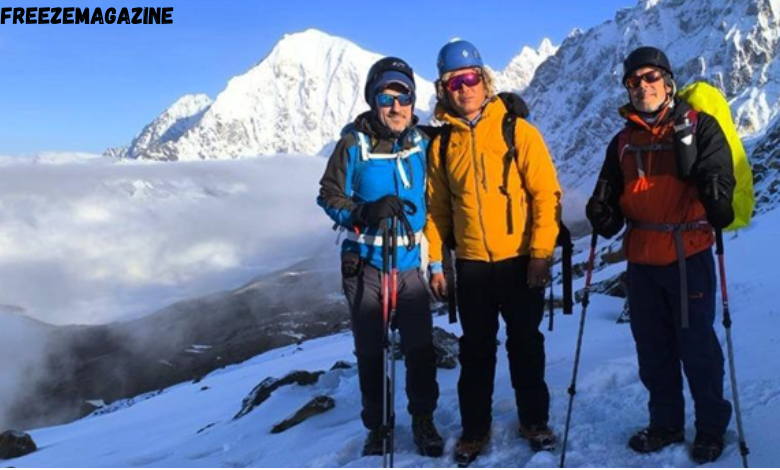
If Nepal is on your travel list and you’re dreaming of something beyond the usual tourist trail, the Langtang Valley, combined with Yala Peak is a journey worth considering. This route blends village life, Himalayan culture, spectacular mountain scenery, and the rare opportunity to summit a Himalayan peak without technical climbing skills. It’s ideal for travellers who want meaning, beauty, and a sense of accomplishment in one trip.
What Is Yala Peak Climbing and Why Does It Matter
Yala Peak is not just another mountain. At around 5,500–5,732 metres, it sits within Nepal’s Langtang National Park and earns its reputation as a trekking peak. This means you don’t need years of mountaineering experience to stand on its summit. What you do need is good fitness, steady legs, and respect for high altitude.
From the top, the reward is real. Towering neighbours like Shishapangma in Tibet, Langtang Lirung, Ganesh Himal and Dorje Lakpa unfold before your eyes. Those views, wide and dramatic, are a powerful reminder of why many travellers choose Yala Peak as their first Himalayan summit.
What to Expect on a Short Langtang Trek 5 Days
A shorter trek through the Langtang Valley lets you see the heart of the region’s beauty. While a full Yala Peak expedition usually takes longer, you can still enjoy key highlights in five days of trekking. This trek takes you from lush lower forests to quiet mountain villages and ends in the dramatic heart of the valley.
Most itineraries begin with a long but scenic drive from Kathmandu to Syabrubesi. From there, the trail weaves through rhododendron and bamboo forests, crosses rivers, and passes traditional Tamang and Sherpa settlements. You’ll witness mountain views rising higher each day.
Can You Combine Yala Peak with a 5-Day Trek?
The honest answer is yes and no. You can link a Short Langtang Trek 5-days with the broader Yala Peak climbing experience, but the full summit requires more time. Most climbers extend their itinerary to ensure proper acclimatisation and a successful summit push.
That said, the five-day trek prepares your body and mind well. It gives you altitude exposure, cultural immersion, and a real feel for this extraordinary part of Nepal before you commit to the summit climb.
A Practical 5-Day Trek Itinerary
Here’s what a typical Short Langtang Trek could look like:
Day 1
Drive from Kathmandu to Syabrubesi. The scenery on the way shifts from lowland hills to terraced fields. Begin trekking to Rimche or Bamboo. Overnight in a guesthouse.
Day 2
Continue walking deeper into the Langtang Valley. Villages, prayer flags, and river crossings gently prepare you for higher elevations.
Day 3
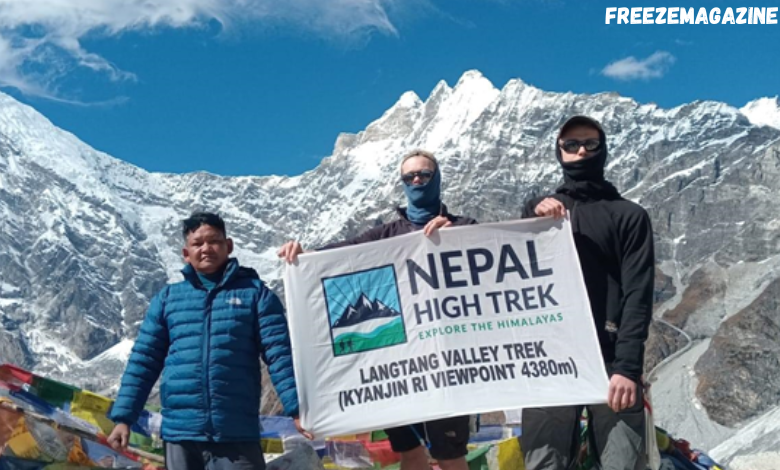
Reach Langtang Village or Kyanjin Gompa, the cultural and social heart of this route. Time permitting, explore the village and its monastery.
Day 4
These views help with acclimatisation and offer unforgettable panoramas.
Day 5
Retrace your steps back to Syabrubesi or continue your itinerary toward Yala Peak Base Camp if you plan to extend.
This walk isn’t rushed. It lets you truly see the valley rather than just pass through it.
How Hard Is It Really?
The trek itself is considered moderate. You will hike anywhere from four to seven hours a day on well-marked trails. Some parts feel steep, but most walkers with good fitness find it manageable.
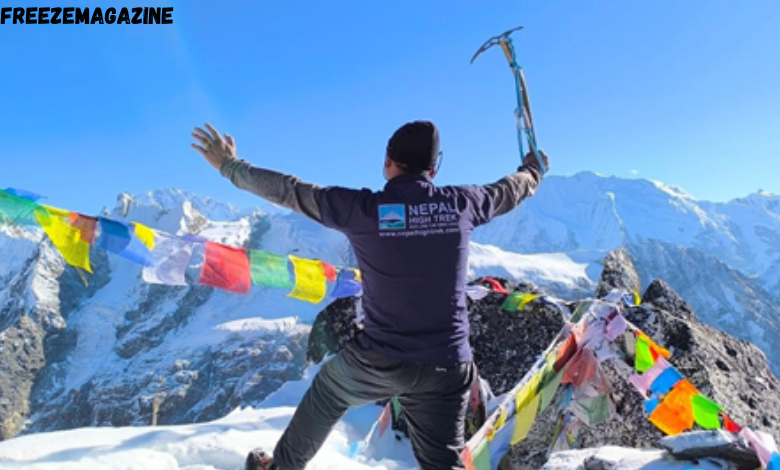
Yala Peak adds altitude and a longer summit day, but it remains non-technical. Climbers use crampons and ice tools on snowy sections, but there is no need for advanced climbing skills or rope work. Most companies and guides provide the necessary instruction when required.
Best Time to Plan Your Trip
Timing matters if you want clear skies and comfortable hiking conditions. The most reliable windows are spring (March to May) and autumn (September to November). During these months, the weather is stable, the views are crisp, and the trails feel welcoming.
The summer monsoon (June to August) brings rain and slippery paths. Winter is possible but cold, with snow at higher elevations and limited services along the route.
Permits and Local Regulations
You don’t need a separate climbing permit for Yala Peak, which makes planning easier than for many 6,000m and above peaks. You do require standard trekking permits: a Langtang National Park entry permit and a TIMS (Trekkers’ Information Management System) card. These are arranged in Kathmandu or at the park entry point before you begin.
Local guides can help handle all permits and paperwork, which many travellers find easier than doing it independently.
Food and Accommodation Along the Way
Accommodation is straightforward and comfortable up to Kyanjin Gompa. Tea houses provide a roof, a warm meal, and rest after a day’s walk. Most offer local favourites such as dal bhat, noodles, soups, and home-style dishes.
Once you leave for the Yala Peak Base Camp, you will switch from tea houses to tented camping. Guides prepare meals and set up camps so you can focus on rest and your ascent.
Summit Views and Mountain Highlights
Reaching Yala Peak summit is a deeply memorable moment. On clear days, you can see distant giants like Shishapangma and the range of peaks that define the Langtang Himal. The scale and quiet presence of these mountains stay with many travellers long after they return home.
Even without snow, the valley itself feels wild and vast, framed by soaring ridges and ancient glaciers that have long shaped local culture and livelihoods.
Packing and Preparation Tips
Packing well improves every part of your journey. For Yala Peak, make sure you have proper high-altitude gear and consult your guide about climbing equipment.
Training in the months before travel helps. Walk hills, build endurance, and get comfortable walking with a pack. This makes long days on the trail feel far easier and more enjoyable.
Is This Trek Right for You? A Simple Verdict
Combining a Short Langtang Trek 5 Days with Yala Peak Climbing is a smart choice for travellers who want a meaningful Himalayan experience without needing technical climbing skills. It’s cultural, scenic, and rewarding. You get walking days that gently build altitude, meals that connect you with local life, and a summit experience you can be truly proud of.
For many, this route offers a perfect balance of challenge, discovery, and beauty, making it one of Nepal’s most cherished journeys outside the busiest trekking trails.










Post Comment